Canyonlands National Park guide · 1 min read
Ancestral Puebloan Granaries and Ruins
People have lived in and traveled through this country for more than 10,000 years, and they left evidence that the park protects today.
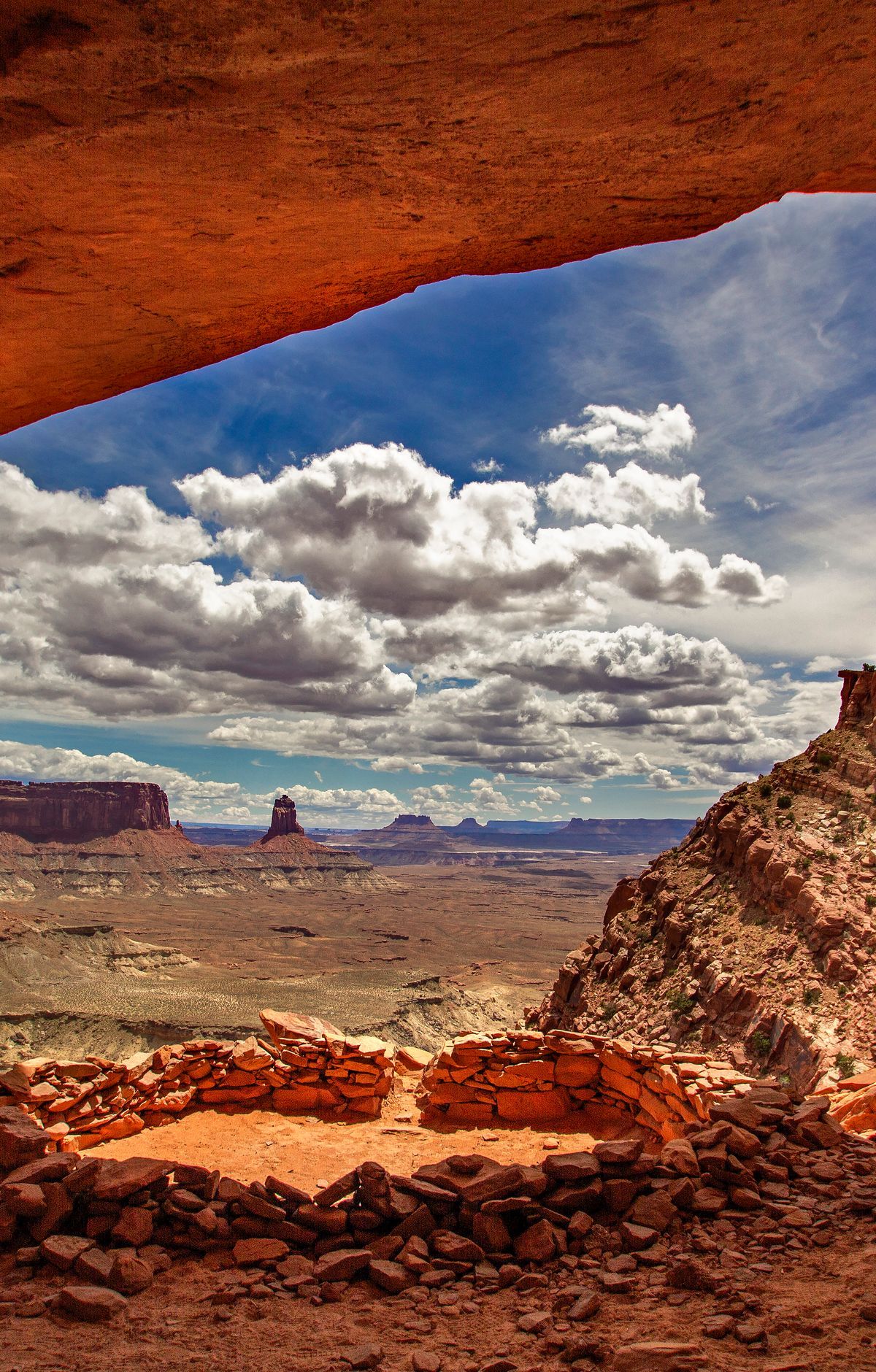
Structures built by the Ancestral Puebloan people are among those traces, and some of them can be seen from the river itself.
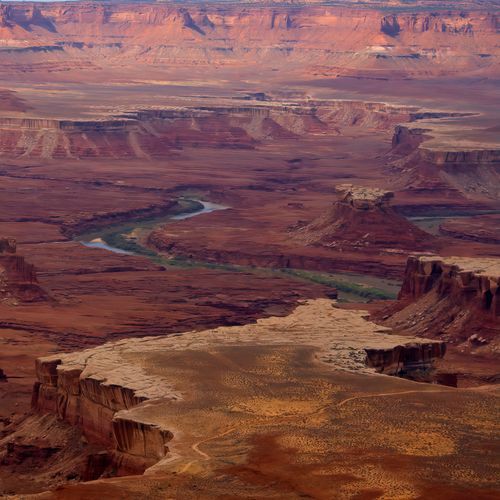
Salt Creek Canyon lies within the Salt Creek Archeological District, which is listed on the National Register of Historic Places as a landscape shaped by human history. Archeological sites also lie along the Green River, which joins the Colorado River within the park and helps divide it into three districts.
Rock art adds another layer to the record. The park has both petroglyphs and pictographs, with the Great Gallery in Horseshoe Canyon and the petroglyphs in Horse Canyon in The Maze among the examples. The False Kiva, a stone circle, is another reminder of the people who lived here.
Open-air sites and those tucked into alcoves can be harmed when many visitors arrive over time, and archeological remains react strongly to repeated disturbance. If you backpack in the Salt & Horse Zone, keep your camp at least 300 feet from water sources and from prehistoric and historic sites, including alcoves, petroglyphs, pictographs, and structures whether partly or fully intact. Staying back keeps these places available for later generations and honors the descendants of the people who made them.