Capitol Reef National Park guide · 2 min read
Spring and Fall Hiking Weather and Road Conditions
Spring and fall are the most comfortable seasons for hiking and backpacking at Capitol Reef.
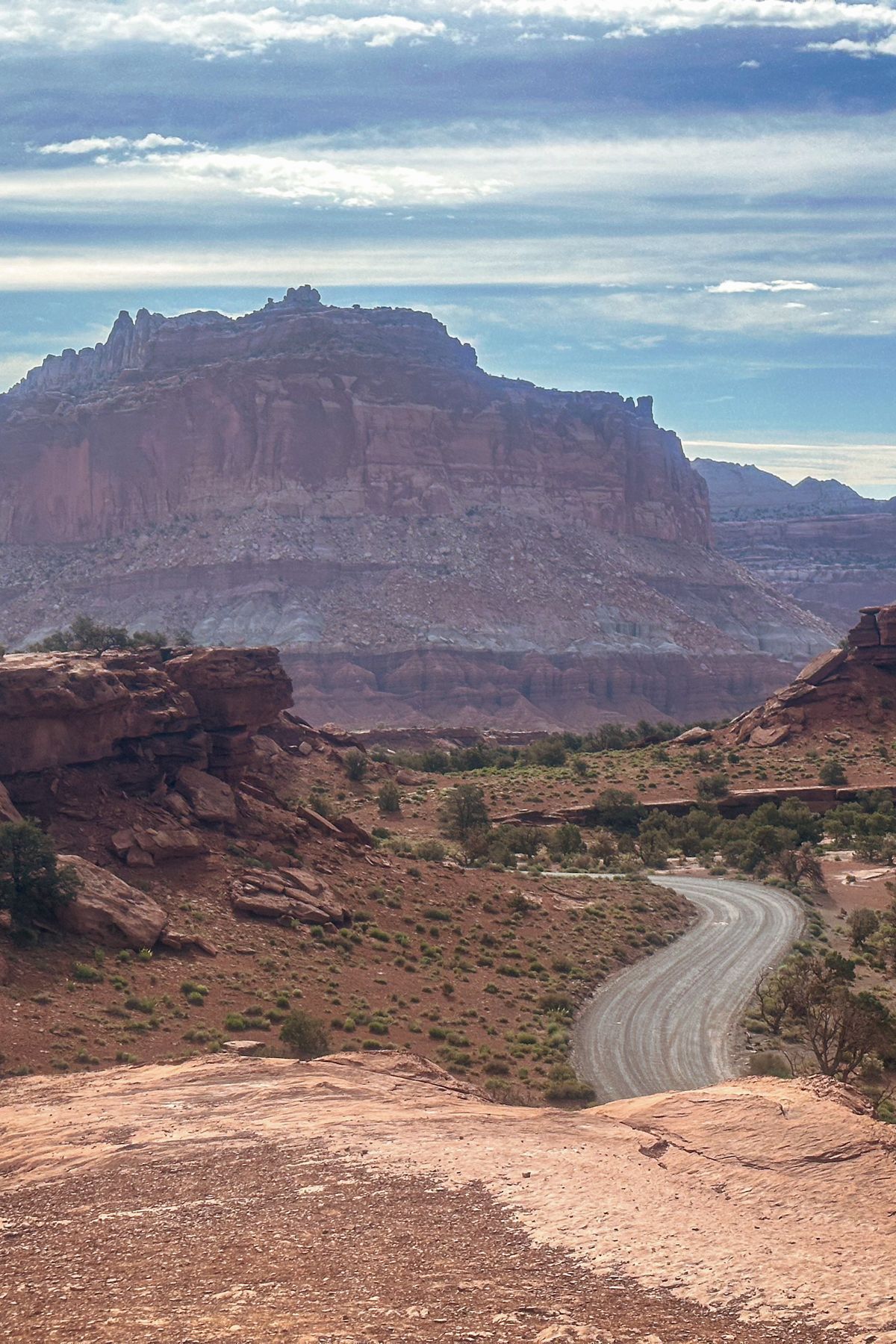
Many visitors come from March to June and from September to October, when the weather tends to suit long days on the trail and snow and dangerous monsoon rains are less likely. Crowds are lighter than in summer, the park's busiest season.
Conditions can still change quickly, so check before you set out. Call the park's automated line for weather and road conditions, which has the forecast recorded daily and posts road updates as conditions change. Press 1, then 3 for the forecast, or press 1, then 4 for road conditions. The visitor center can also tell you about current conditions.
The park's elevations range from roughly 3,800 to 8,200 feet, and the high desert climate brings wide swings in temperature. Summer highs often reach near 100 degrees, while nights cool into the 50s and 60s. Summer monsoon rains and thunderstorms can drop heavy rain quickly and cause flash floods. If storms are building, stay out of tight gorges and slot canyons. Never camp on the low floor of a dry wash. Rapid dehydration is also a risk in the heat, so carry plenty of water.
Expect daytime highs somewhere between 30 and 45 degrees in winter, with nights below freezing. Snow is possible, though it is usually light at lower elevations. Snow can close roads and make hiking more difficult.
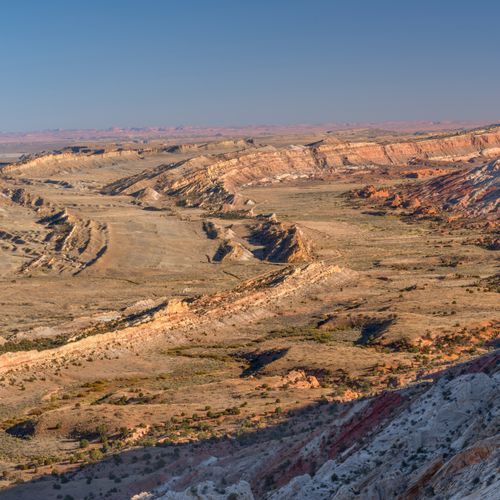
Much of the Waterpocket District, the park's remote southern section, is reached over unpaved roads that can be bumpy, sandy, and uneven. In fair weather, most ordinary passenger cars handle them, but spring and summer rain or winter snow can turn them muddy, slippery, or washed out. Cell service is often weak or missing out here, so a breakdown could mean hours or even days before help arrives. Pack water, food, a shovel, and emergency supplies.