Channel Islands National Park guide · 2 min read
Pygmy Mammoths and Santa Rosa's Lost Giants
Santa Rosa Island is the second largest island in California, covering about 53,000 acres.
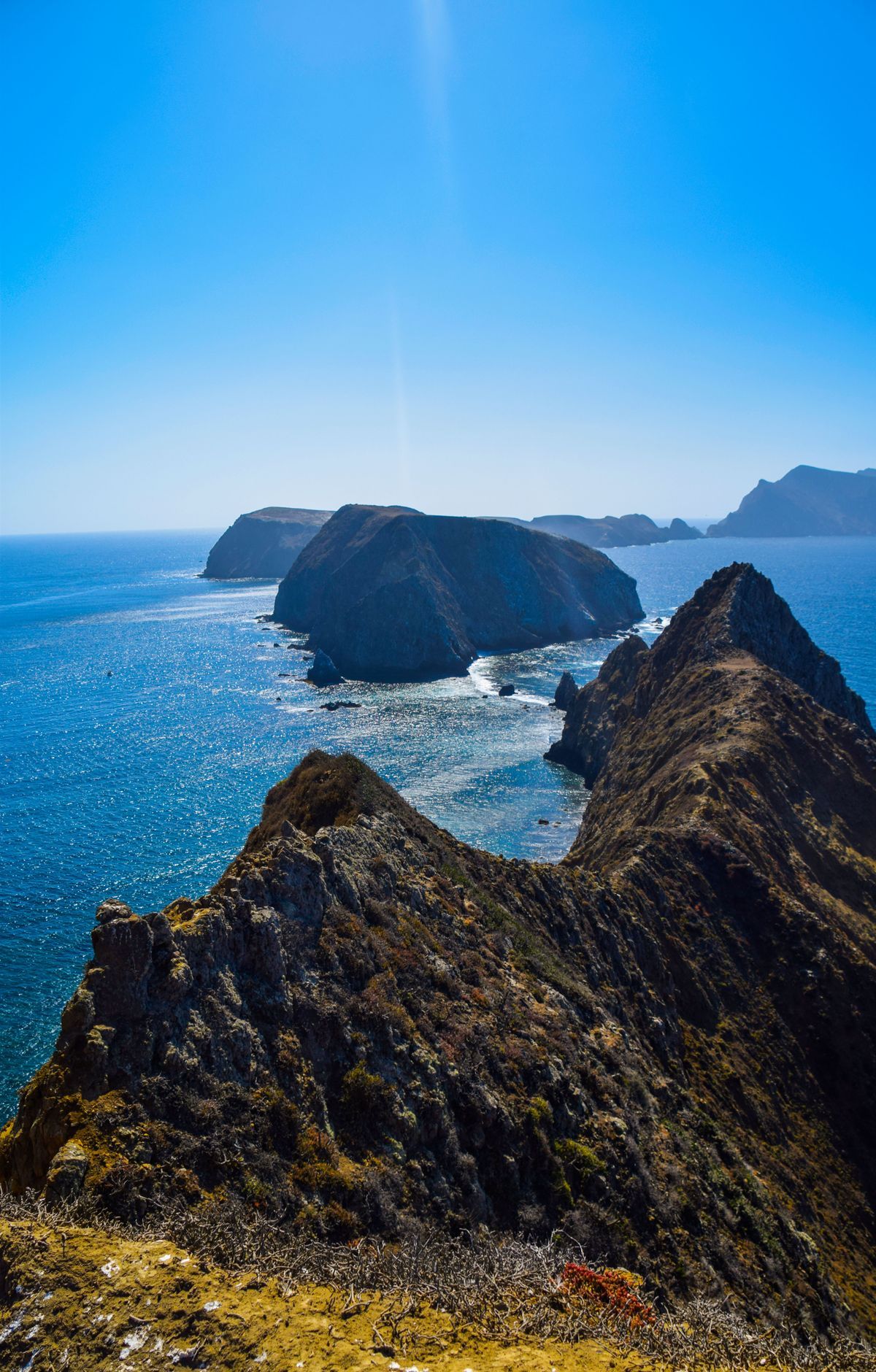
Its highest point, Radar Mountain, rises 1,589 feet. During the Late Pleistocene, when sea levels were lower, the islands were joined into one ancient super-island called Santa Rosae, and mammoths swam across to reach it. As the seas rose and cut the island off, the mammoths left behind shrank into a much smaller form known as pygmy mammoths. Their remains have been found on Santa Rosa near Carrington Point.
Giant mice and flightless geese once lived here for thousands of years, but both are now extinct. People arrived early too. Fire remains near Arlington Canyon on the northwest coast, dated by radiocarbon, point to human presence at a very early date. Close by, a stone chopper was found in the same layer as a mammoth that had been butchered and burned. Human bones known as Arlington Springs Man have also been found on the island.
Three native land mammals still live on Santa Rosa: the island fox, the spotted skunk and the island deer mouse. None of them is found anywhere outside the Channel Islands. Around 500 plant species grow across nine plant communities, and six of them occur nowhere else on Earth, including the munchkin dudleya.
The Chumash named the island Wima, a word meaning driftwood. Channel currents carried logs ashore, and the Chumash used that wood to build tomols, plank canoes. Eight Chumash villages once stood on Santa Rosa.
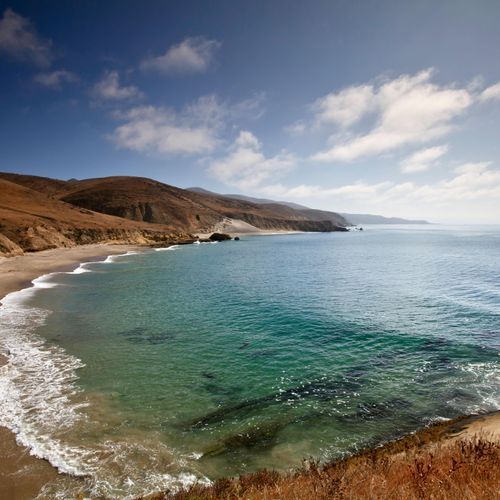
Plan on a boat ride of two to two and a half hours in each direction, often over rough water. Bechers Bay, with its sandy beach beside the landing dock, is right where visitors step ashore. A day trip leaves time for a shorter walk such as Cherry Canyon, while the longer trails suit a stay of several days. Campers can settle in at a 15-site campground, a walk of about one and a half miles from the dock.