Colonial National Historical Park guide · 1 min read
Rediscovering James Fort: Archaeology Since 1996
In 1607, English colonists built James Fort on Jamestown Island, the earliest lasting English settlement in North America.
For a long time afterward, its exact location was a puzzle. The James River had worn away the island's western edge, and many people assumed the fort had slipped entirely under the water. A sea wall built in 1900 with federal help halted the erosion, and the fort remains it protected stayed hidden until 1996.
Digging began in 1996, when the Jamestown Rediscovery project set out to find the original fort. The dig aimed to reveal the colony's opening years, especially its first defended town and the development that followed. The excavations have since yielded roughly two million artifacts, and the research continues.
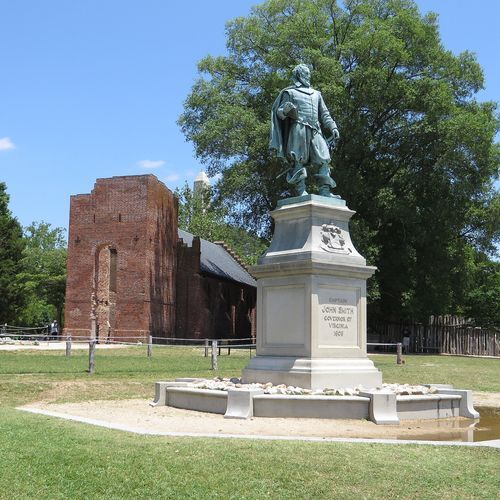
At Historic Jamestowne you can look over the spot where the 1607 fort stood, the church tower dating from the 1600s, and the ground where the 17th-century town once stood. The Archaearium is an archaeological museum that displays many of the artifacts the excavations have turned up. The church standing today took its current form in 1907, built around the tower that had survived. The Historic Jamestowne Visitor Center is another stop, and it offers short introductory films.
Twenty-two acres belong to Preservation Virginia and hold traces of the first fort, while the Park Service controls the rest of the island's 1,178 acres. The two organizations share stewardship of the site. Visitors can join ranger-led living history programs or archaeology tours given by Jamestown Rediscovery staff, and you may spot archaeologists digging on site.