Colonial National Historical Park guide · 1 min read
Yorktown 1781: The Siege That Ended a War
In 1781 the Siege of Yorktown became the last major land battle of the American Revolution.
British General Charles Cornwallis had marched his army north into Virginia from the Carolinas, and in July he settled at Yorktown on orders to find a deepwater port. The town gave his troops a strong defensive position against attacks from land, but it left them exposed to a naval blockade or assault from the water.
Washington's American army had joined the French under Rochambeau in New York that summer. When the French fleet under de Grasse headed for the Chesapeake Bay, the balance shifted decisively. Allied forces then closed in on Cornwallis from land while French warships supported the attack from the sea. In October the British army surrendered, and the surrender talks took place at the Moore House.
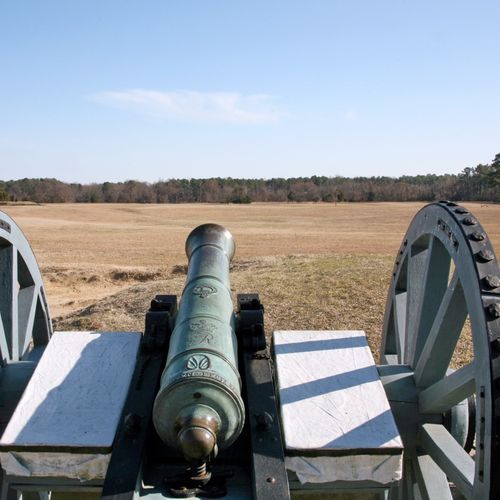
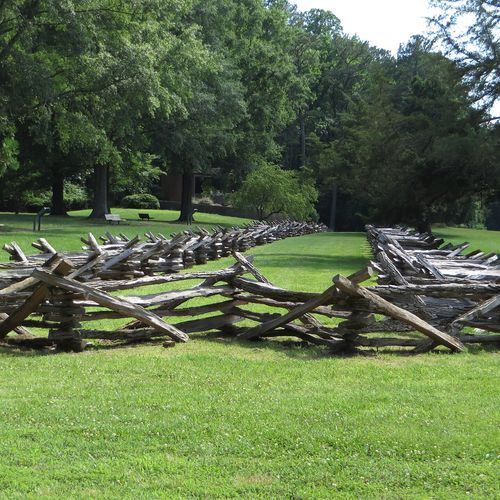
The Yorktown Battlefield sits at the eastern end of the Colonial Parkway, and the National Park Service runs it as part of Colonial National Historical Park. Begin at the Yorktown Battlefield Visitor Center, or drive the Yellow Route of the self-guided auto tour. The battlefield also holds Redoubt 10 and Surrender Field, and the Moore House stands in its eastern part.
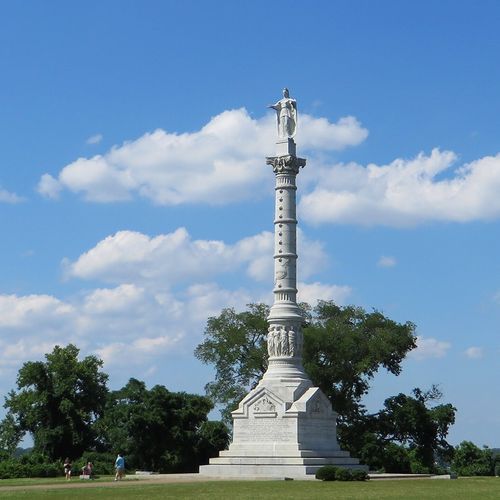
The Yorktown Victory Monument recalls the outcome. The Continental Congress called for a monument to the alliance and victory in 1781, and the cornerstone was laid a century later.
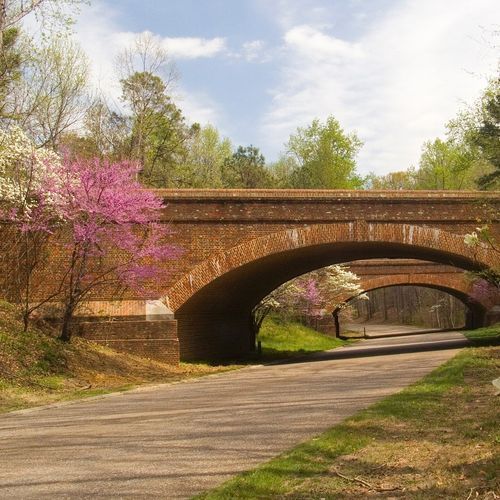
The surrender opened the way to serious peace talks, and the Treaty of Paris ended the war and established American independence. A 23-mile route, the Colonial Parkway, runs between the battlefield and Historic Jamestowne, the first permanent English settlement in North America.