Congaree National Park guide · 1 min read
Champion Trees of the Old-Growth Bottomland Forest
The old-growth bottomland forest here protects some of the tallest trees in the eastern United States.
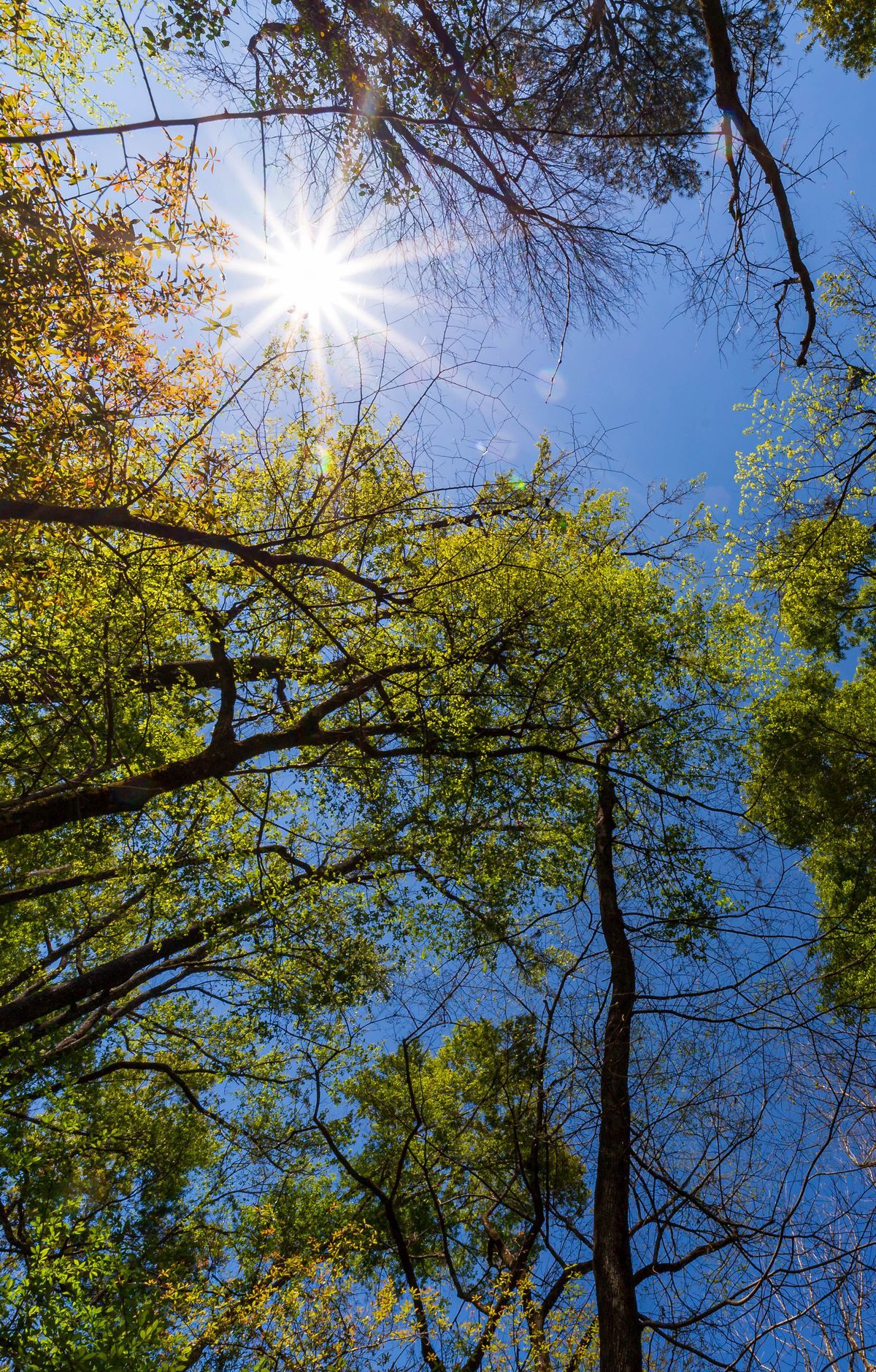
It ranks as the oldest stand of old-growth bottomland hardwoods in the Southeast, and the number of champion trees here is among the highest anywhere on Earth. A champion is the tallest known example of its species, and this park has champions of fifteen species.
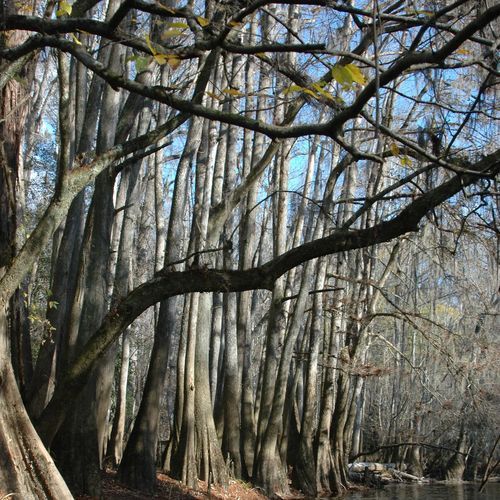
Among the champions are a loblolly pine that stands 167 feet tall, a sweetgum at 157 feet, and a cherrybark oak at 154 feet. Bald cypress and water tupelo are also central to the forest, and some bald cypress trees are more than 500 years old. Taken together, the crowns create a canopy high enough to rank among the world's loftiest temperate deciduous forests.
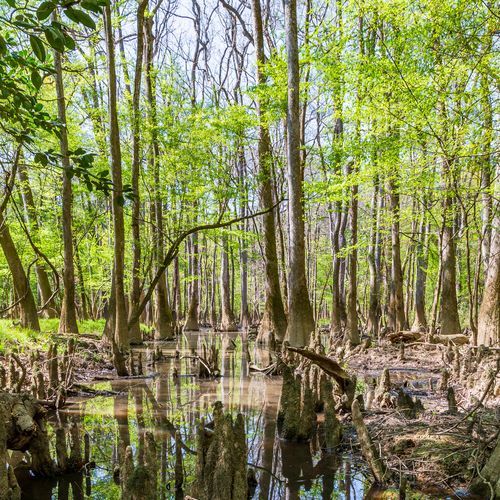
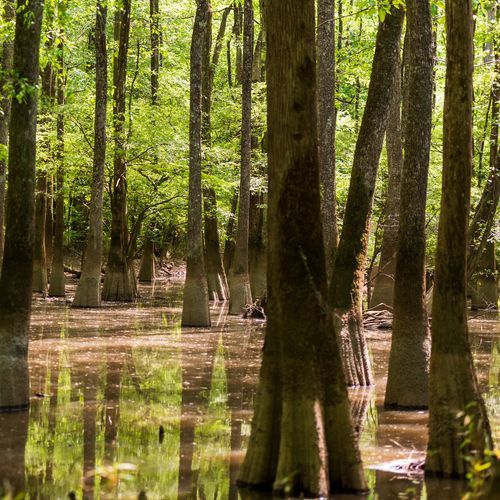
The forest lies within the Congaree River floodplain. Many people wrongly label it a swamp, yet it is mainly low ground that water covers from time to time. Floodwaters from the Congaree and Wateree Rivers spread over the bottomland, leaving behind silt and nutrients that refresh the soil. Bald cypress, oaks, gums and tupelos have all adapted to living with this water, whether the floods arrive in a regular season or, now and then, stretch across the whole year.
People have also worked this land. Bald cypress drew loggers, and by 1905 a lumber company had acquired much of the floodplain. Because the land was hard to reach, crews cut along waterways and floated logs downstream, but the damp ground kept many felled trees too green to float. The work was halted within a decade.
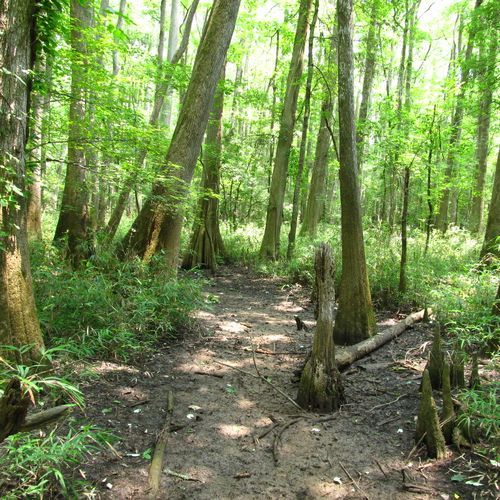
The boardwalk trail winds through the forest on a slightly elevated wooden path, passing stands of bald cypress and water tupelo. Hikers who want to go farther can follow trails deeper into the park.