
Congaree National Park guides
11 in-depth guides to Congaree National Park, in reading order: what to see, how to get around, and what to know before you go. Back to the Congaree National Park overview.
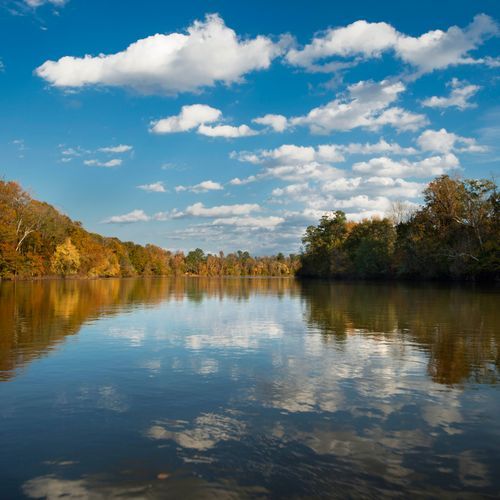
Timing Your Visit: Mosquitoes, Fall Color, Water Levels
Spring and fall are the best seasons to visit Congaree National Park, when temperatures are mild and mosquitoes are low.
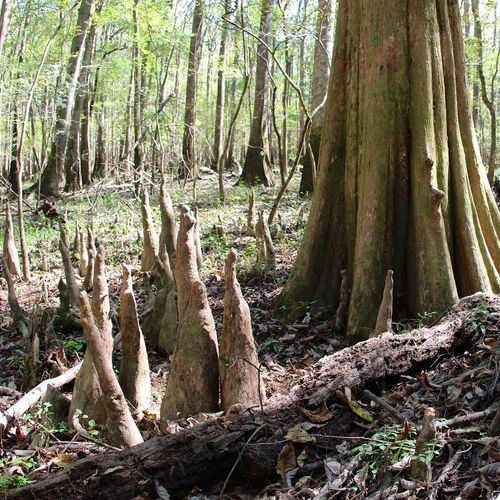
Walking the Boardwalk Loop Among Cypress Giants
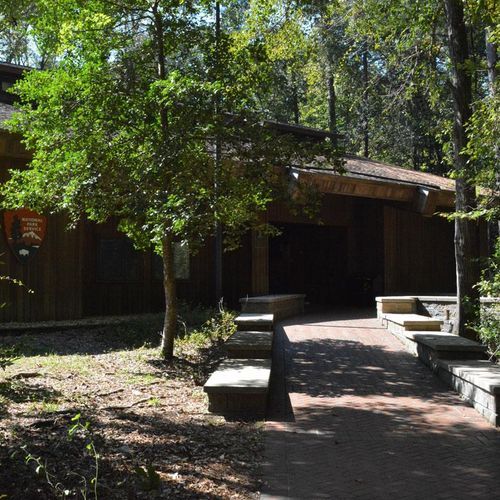
The Boardwalk Loop Trail begins at the Harry Hampton Visitor Center, the main hub of Congaree National Park and the starting point for most of its trails.
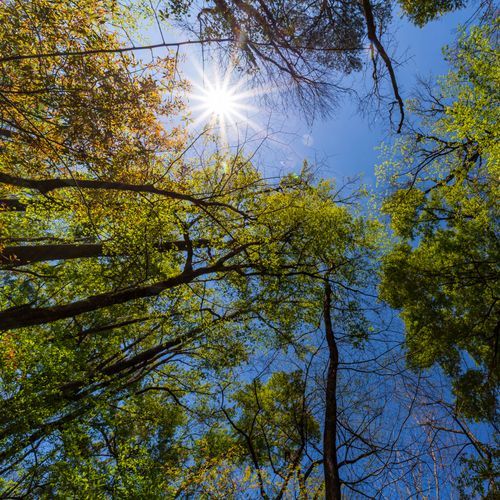
Champion Trees of the Old-Growth Bottomland Forest
The old-growth bottomland forest here protects some of the tallest trees in the eastern United States.
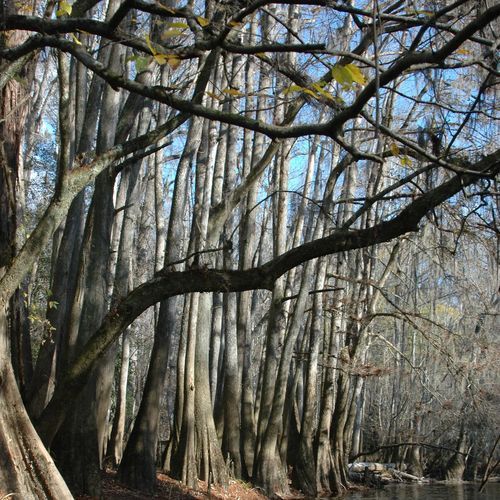
Paddling the 15-Mile Cedar Creek Canoe Trail
The Cedar Creek Canoe Trail is a marked route of about 15 miles through the Congaree Wilderness.
Deep Backcountry: Kingsnake and Oakridge Trails
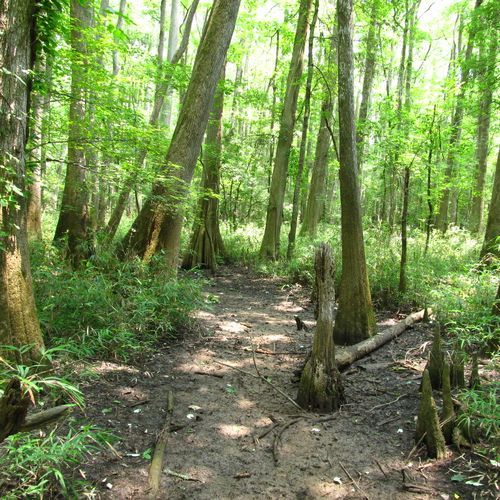
If birding is your goal, the Kingsnake Trail is a strong choice. The 12-mile out-and-back route crosses sloughs lined with tupelo and cypress and runs along part of Cedar Creek.
Fishing Rules on Congaree's Rivers and Lakes
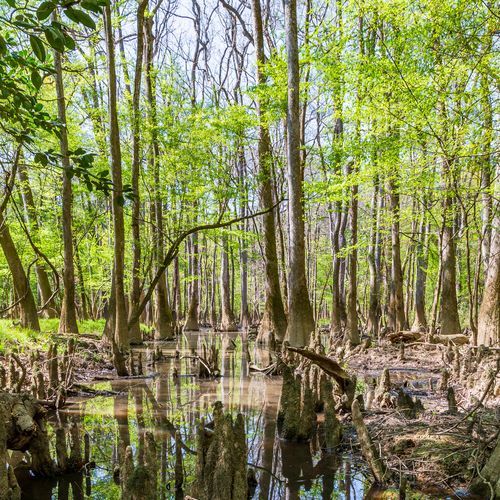
Fishing is allowed in all areas of Congaree National Park, but you need a valid South Carolina fishing license before you cast a line.
Not a Swamp: How Floods Feed Congaree
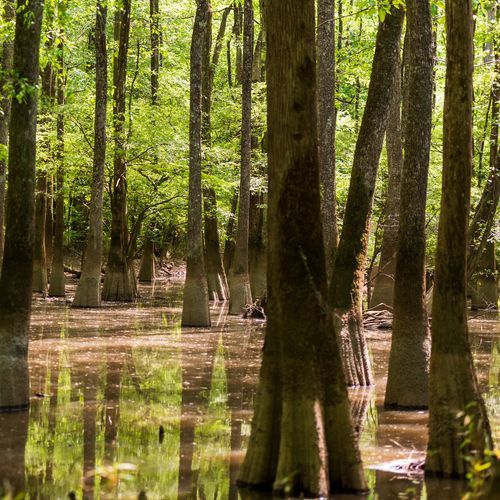
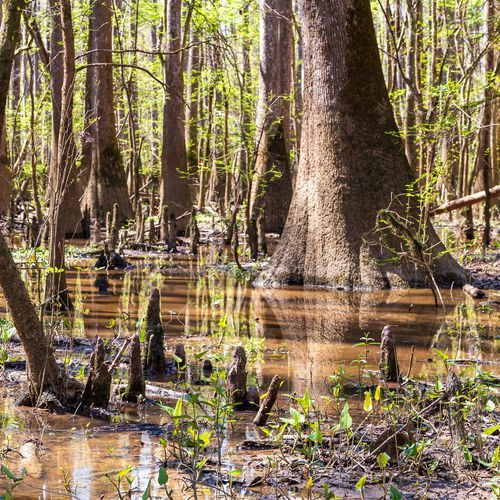
The forest here is not a swamp. Congaree protects a large, largely intact stretch of bottomland hardwood forest, the type that grows along river floodplains in the southeastern United States.
Birding Congaree's Important Bird Area
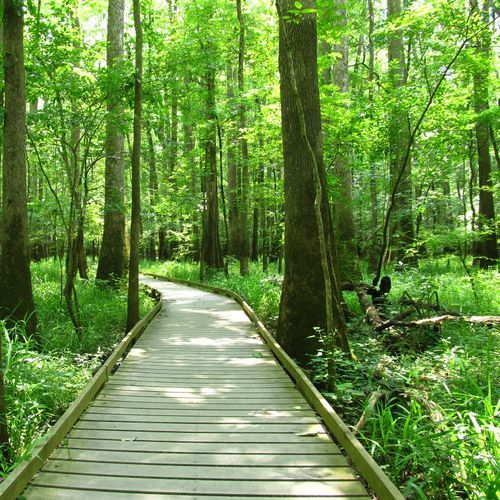
Congaree National Park is recognized as an Important Bird Area, and birders are among its most devoted visitors.
From Congaree Indians to Beidler Logging Fight
Long before the park had a name, the Congaree Indians claimed the floodplain. The Spanish explorer Hernando de Soto wrote about the area in his journals.
Longleaf, Bluff and Backcountry Camping Permits
Backcountry camping at Congaree requires a permit, and there is no charge for one. Send your request by email at least 72 hours before your trip, which gives park staff time to review each application.
East-Side Trails: Fork Swamp and Bates Ferry
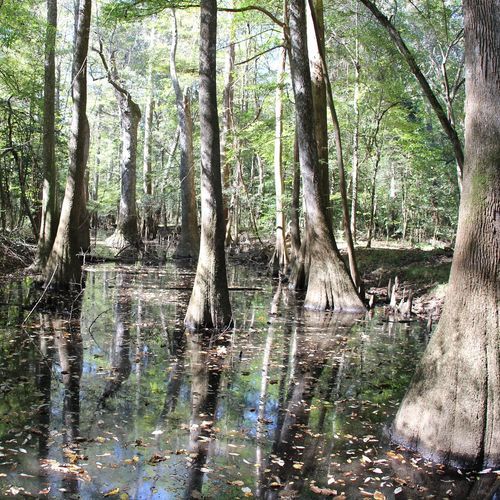
Fork Swamp Trail covers 0.6 miles and usually takes about 30 minutes, with a difficulty rating of easy to moderate.
