Congaree National Park guide · 1 min read
Timing Your Visit: Mosquitoes, Fall Color, Water Levels
Spring and fall are the best seasons to visit Congaree National Park, when temperatures are mild and mosquitoes are low.
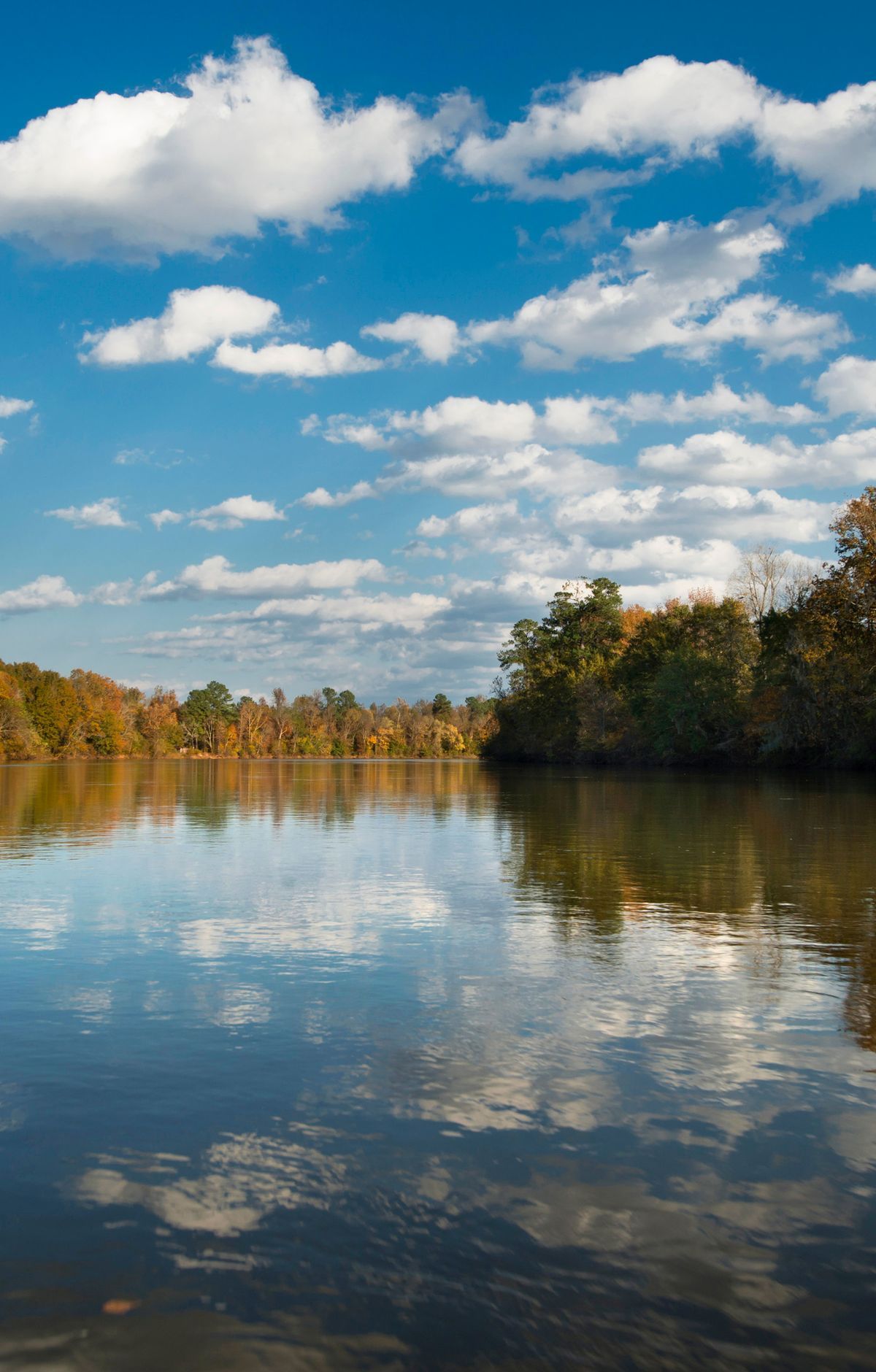
Spring runs from March through May, with average daily highs in the mid to upper 70s. Peak fall color arrives at the beginning of November, and nights can drop into the 40s.
Mosquitoes are at their highest levels in summer, so bring insect repellent and include it with your paddling gear. The Harry Hampton Visitor Center has a mosquito meter to check. Summers are hot and humid, with afternoon highs often in the upper 90s and sometimes past 100 degrees. Plan on at least two liters of water per person each day, and pick lightweight, breathable clothing.
Cedar Creek can rise and fall by as much as 10 feet, and the park lies in a floodplain that floods about ten times a year, mostly in winter. When water is high, backcountry trails and sections of the boardwalk can become unreachable. Water levels are generally ideal for paddling in fall. Check the Cedar Creek water gauge before you head out.
A highlight for many visitors is the marked Cedar Creek Canoe Trail. Bring your own canoe or kayak, or rent one in the Columbia area, and pack a personal flotation device, a whistle, a map and a compass. A guided trip can help with the twisting channel and the downed trees you may meet. On land, the Boardwalk Trail loops about 2.5 miles, and signs along the way explain the old-growth forest around you. From late May into early June, synchronous fireflies can be seen, so plan your visit around those weeks if you want to watch them.