Crater Lake National Park guide · 2 min read
Crater Lake's Short July-to-September Window
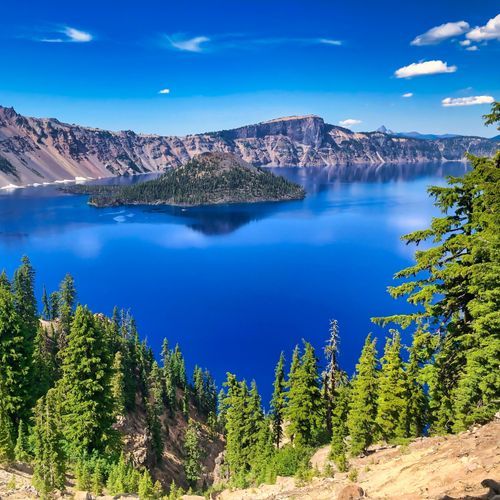
July through mid-September is when most visitors come, and roads and trails are clear of snow then.
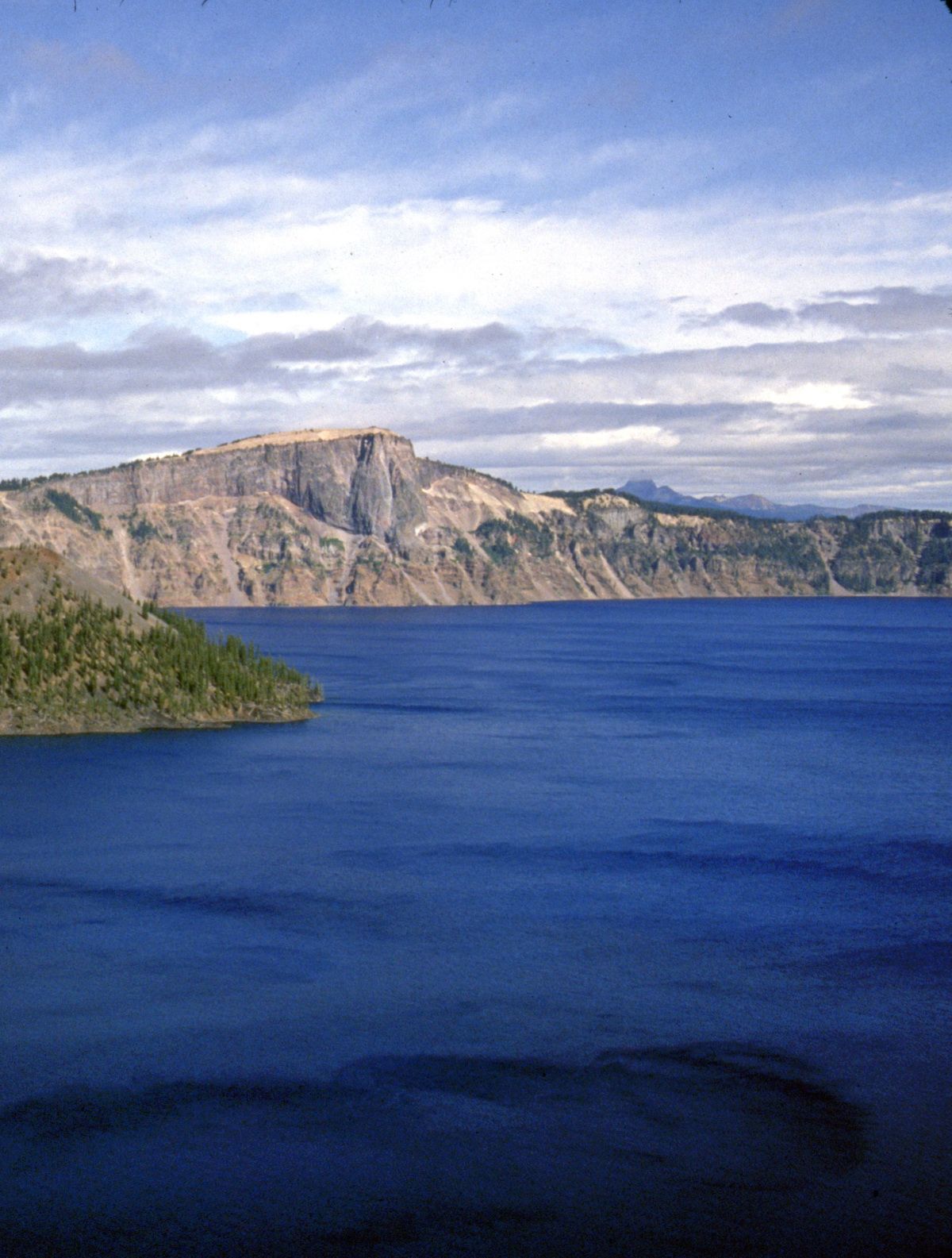
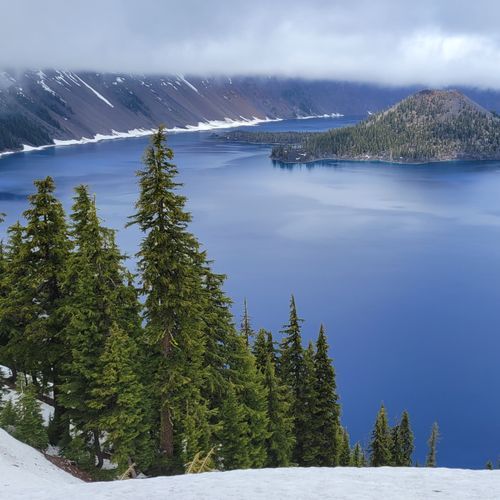
Snow is what keeps the window so short. The lake sits high in the Cascades, and the park averages about 41 feet of snowfall a year at park headquarters. In winter, Rim Drive is closed to cars and becomes a route for skiing and snowshoeing.
May, June, and October are the shoulder months, and they are hard to predict. Sunny days can alternate with rain and snow, and late or early snowfall and uneven snow melt shift openings from year to year. In May and June you can usually drive to Rim Village, but deep snow may still cover the road around the lake and most trails.
Spring snow removal is a big job. The road crew usually starts on West Rim Drive in April. Bulldozers push the snow off the roadway, and a rotary blower carries it away. Drifts can top 30 feet, and the pace is often about a fifth of a mile a day, slowed further by spring storms.
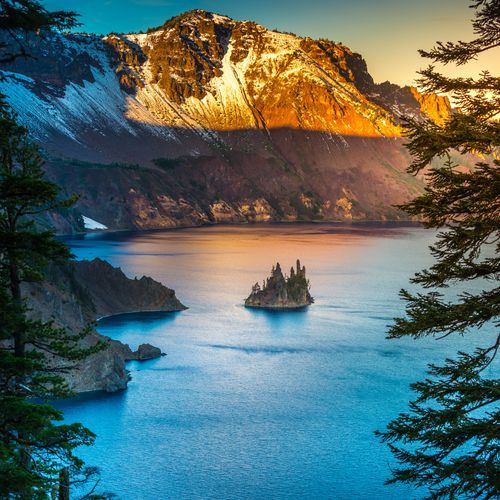
Rim Drive is a 33-mile loop around the caldera rim, with about thirty viewpoints and trailheads for some of the park's top hikes. Stops include Discovery Point, Merriam Point, Phantom Ship Overlook, Cloudcap Overlook, and the Sinnott Memorial. Allow two to three hours to drive the full loop, or half a day with stops. Its full length opens to cars only after the spring clearing is finished.
Hiking and backcountry camping share the summer window. The best time is mid-July through September, since lower trails are usually snow-free by late June while higher ones can stay snowy until mid-July. Wildfire smoke can cloud the air and trails may close during fire season. Boat tours and the campground are run by a concession operator, and their timing depends on snow, so check the Current Conditions page first.