Crater Lake National Park guide · 1 min read
Sacred Lake and America's Fifth National Park
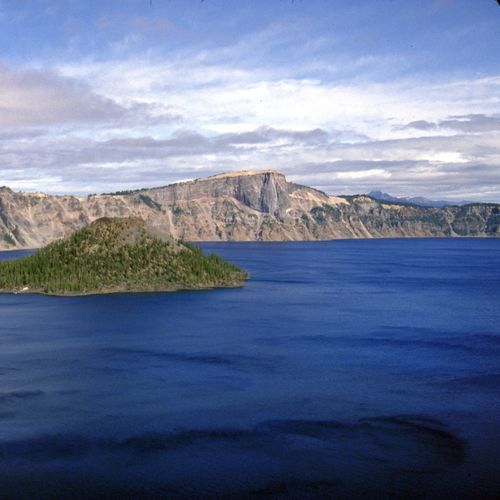
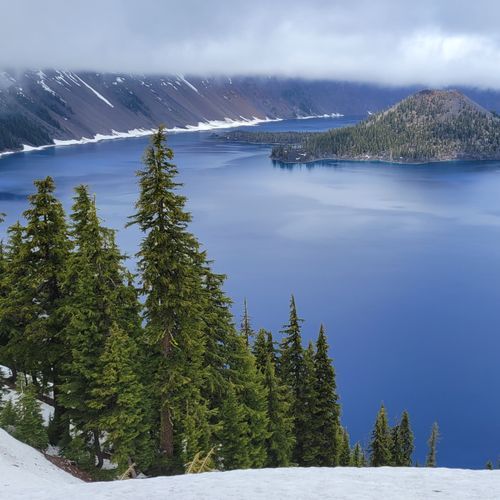
Sitting high in the Cascade Mountain Range of southern Oregon, near Klamath Falls, a massive caldera holds the deepest lake in the United States.
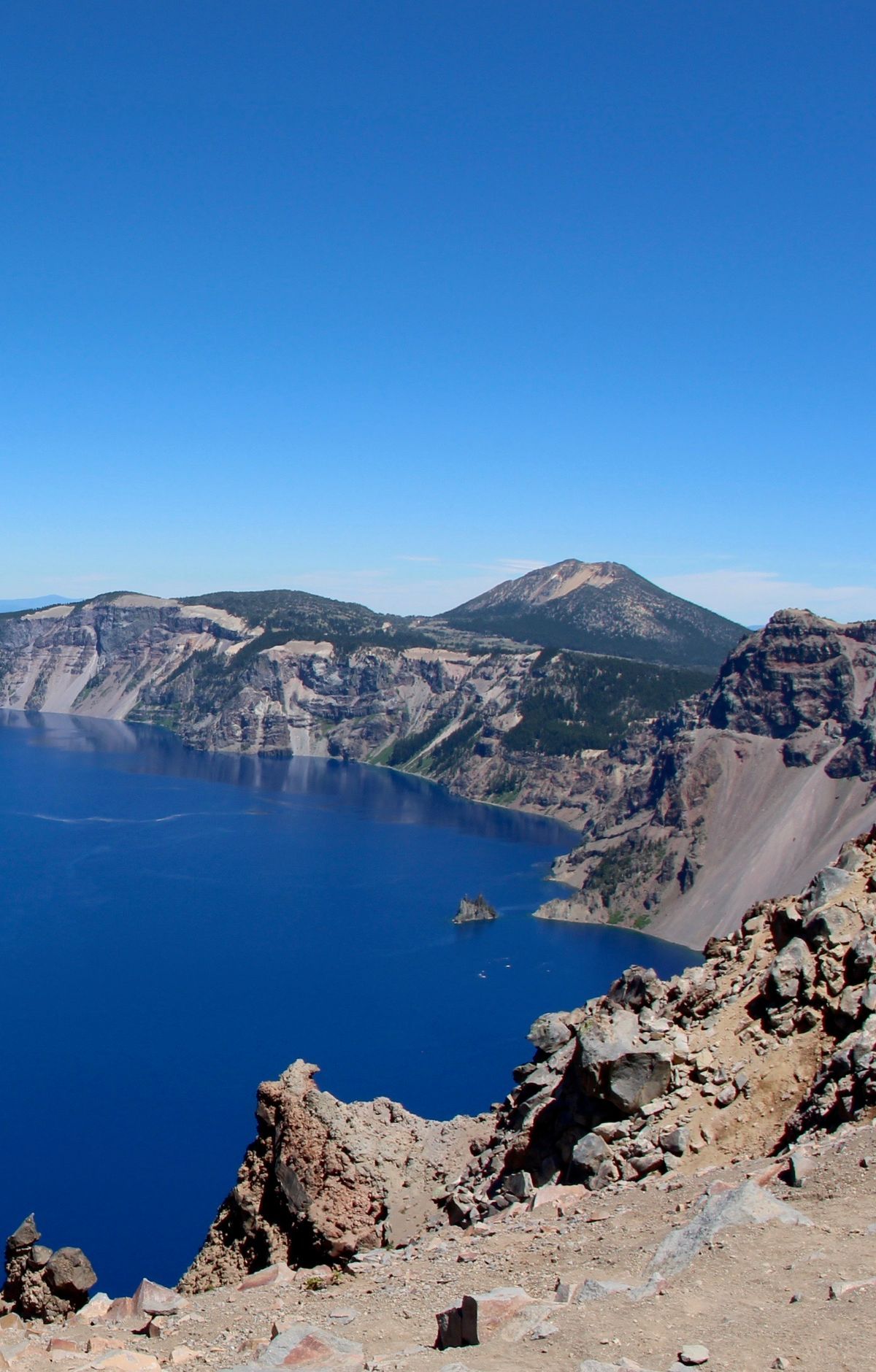
The lake is fed by rain and snow, and its vivid blue water stunned the first American prospectors who saw it. Its clear setting and sheer volcanic cliffs make it one of the most distinctive places in the Pacific Northwest.
About 7,700 years ago, a violent eruption caused the collapse of Mount Mazama, a tall peak. The caldera it left behind is now filled by the lake. Native Americans witnessed the event, and the Klamath people kept it alive in their legends. In one story, the chiefs Llao of the Below World and Skell of the Above World fought, and the battle destroyed Llao's home, Mount Mazama.
The lake's modern discovery came in 1853, when three gold prospectors, John Wesley Hillman, Henry Klippel, and Isaac Skeeters, came across it while searching for provisions. They named it Deep Blue Lake, and the point on the rim where they first saw it became known as Discovery Point. Settlers were more interested in gold, and the discovery was soon forgotten.
Crater Lake was established as a national park in 1902, making it the fifth-oldest national park in the United States and the only one in Oregon. The park exists to preserve the lake, its scenic landscapes, and its volcanic features, along with the ecological and cultural heritage connected to them.
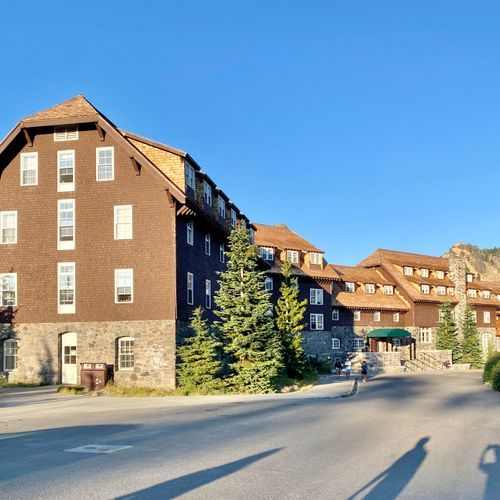
Visitors can take a scenic drive along the caldera rim. Hiking trails lead to panoramic overlooks, and the deep blue water invites swimmers. The park also includes Crater Lake Lodge.