Denali National Park & Preserve guide · 1 min read
Athabascan Peoples in the Shadow of Denali
Human beings have lived in the Denali region for more than 11,000 years. The Athabascan peoples are part of that long story.
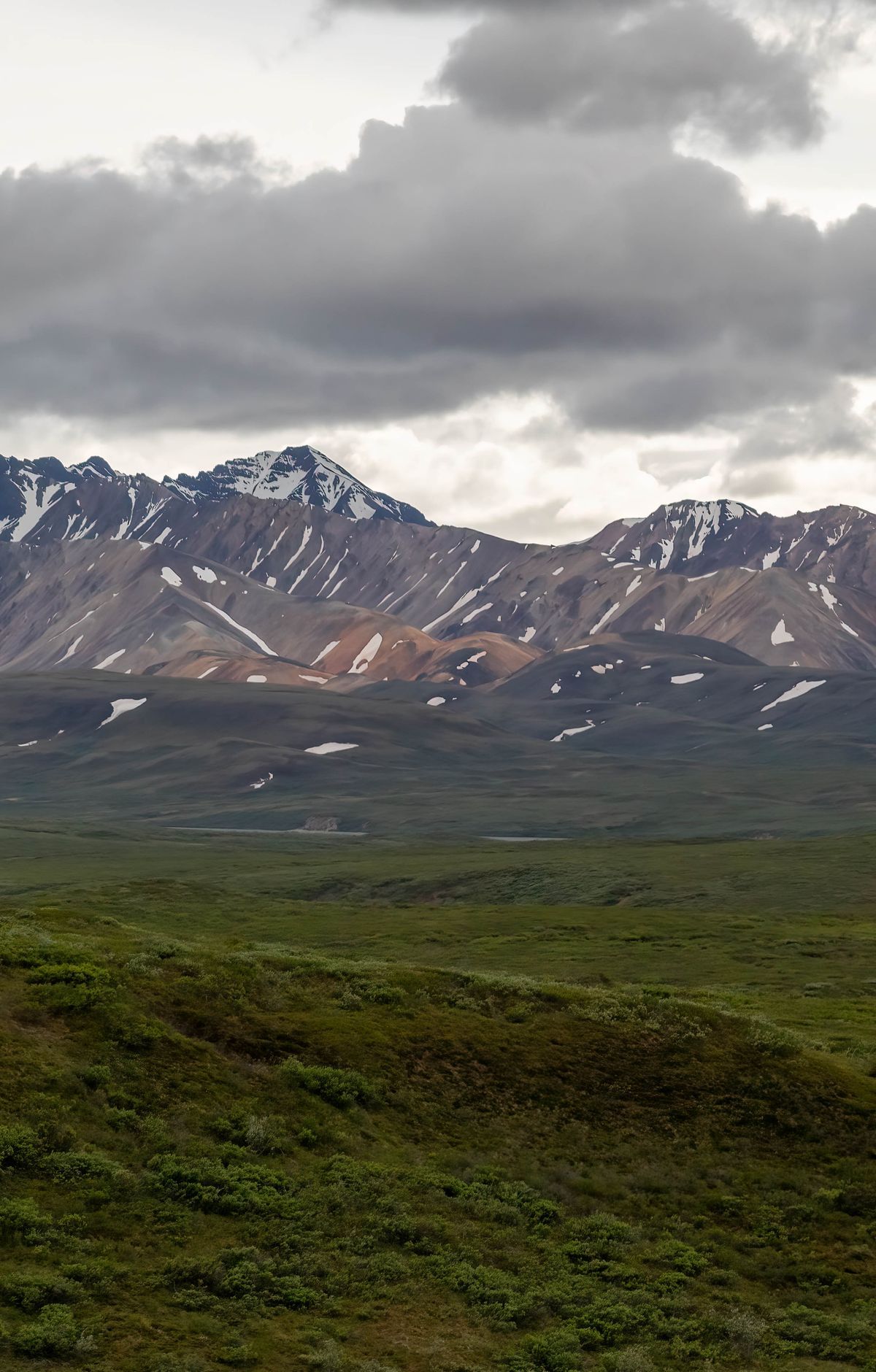
Language and archaeology place their presence here between 1,000 and 1,500 years ago, and some researchers propose they lived in the area for thousands of years before that. Over the last 500 years, the principal groups in the park area have included the Koyukon, Tanana and Dena'ina people.
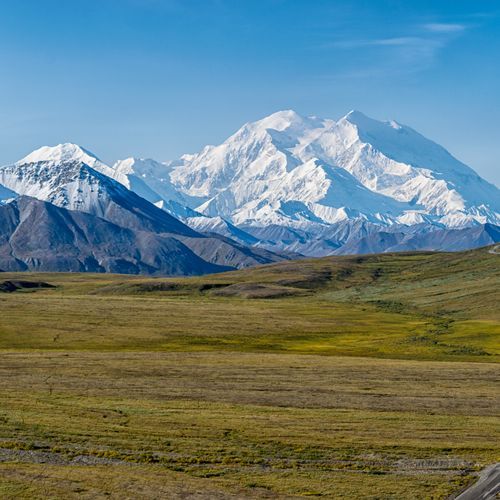
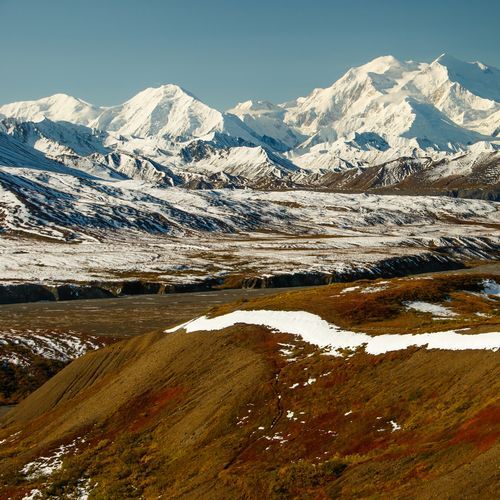
The mountain at the heart of the park carries a name given by Athabascan people. They called it Denali, which means the High One. It rises above the Alaska Range, a chain about 600 miles long, and is the tallest peak in North America.
Archaeologists have documented far fewer sites inside the park than in the lower country around it. High elevation, harsh winters and scarce resources have limited settlement there. Even so, more than 84 sites have been recorded, and most are hunting camps rather than permanent homes. The Teklanika River site is the oldest known site within the park.
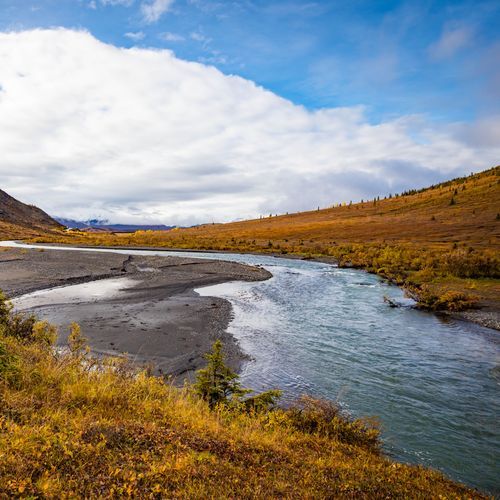
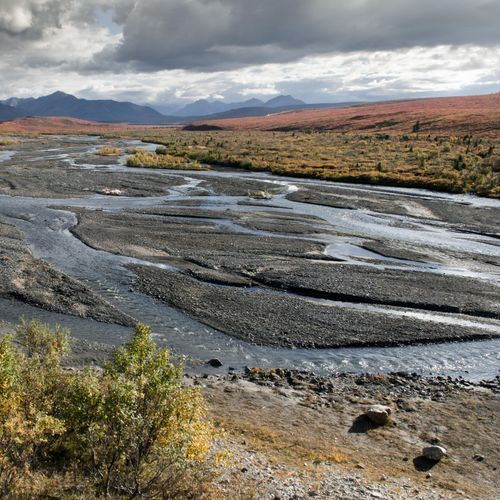
Ice has shaped this ground for a long time. Between 10,000 and 14,000 years ago, the great ice sheets pulled back from most of the park, and hundreds of years passed before soil and plants could start to form again. Permafrost sits beneath many areas, so only a thin skin of topsoil is left to sustain life. Glacial history also left the park with large rivers and a great many lakes and ponds. Travelers see the forest thin out as the land climbs into alpine tundra and snowy peaks.
Park headquarters and the Denali Visitor Center share a site just inside the entrance, which lies about 11 miles south of Healy. It makes a sensible first stop before visiting the sites and landscapes described above.