Denali National Park & Preserve guide · 2 min read
Climbing Denali (Mount McKinley)
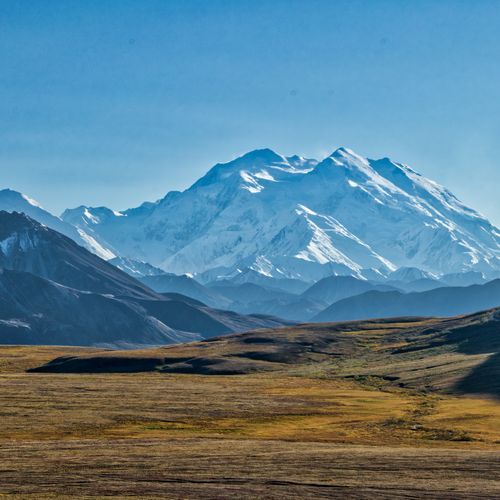
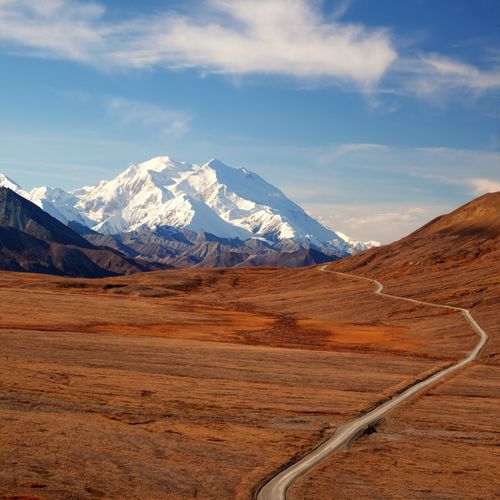
Denali, federally designated as Mount McKinley, is the highest peak in North America, and climbing it asks a great deal of anyone who tries.
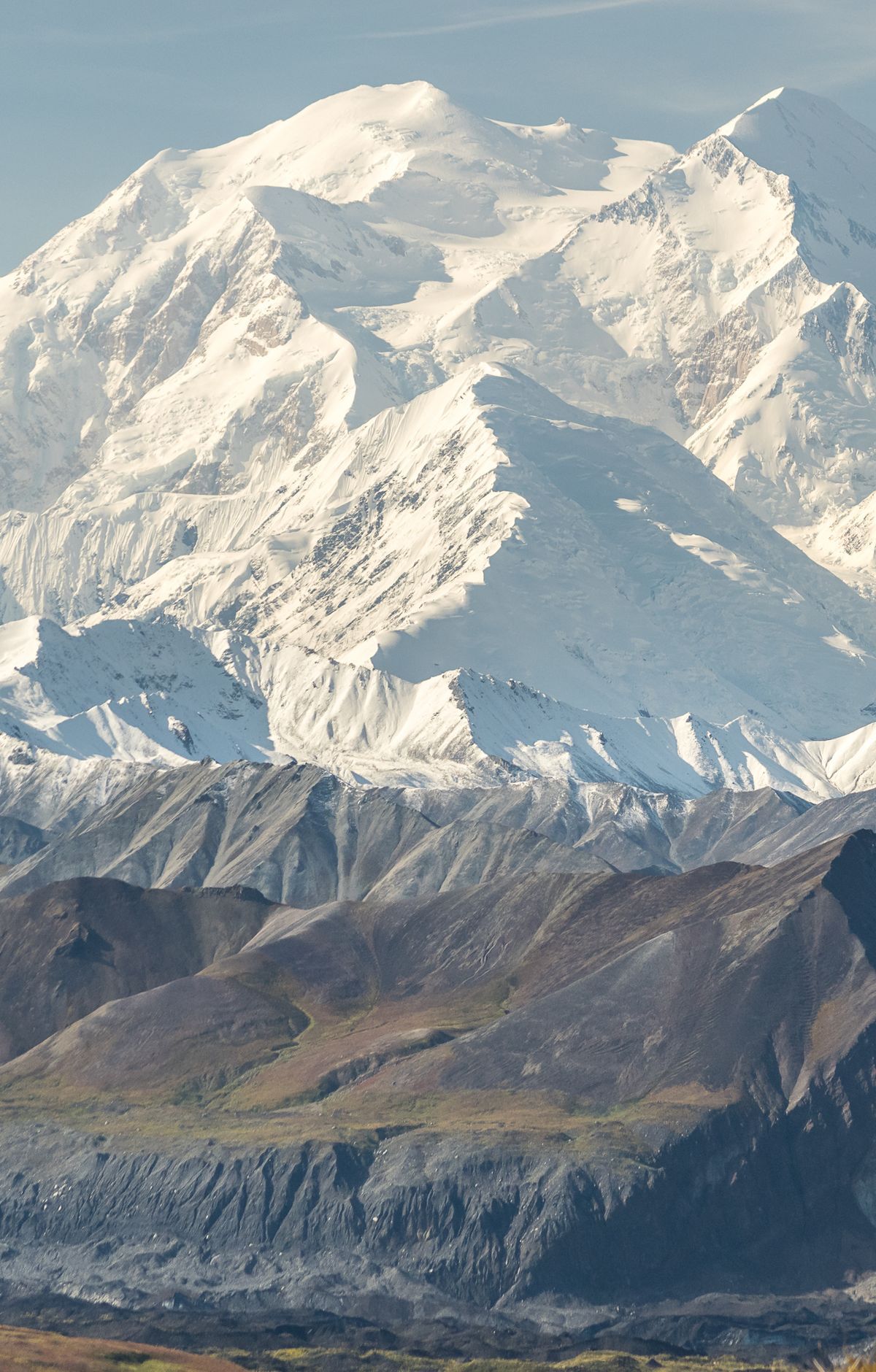
Physical conditioning is only part of the picture. Climbers also need earlier mountaineering behind them and a working familiarity with ice and glacier travel. A typical trip runs 17 to 21 days, and climbers are best served by going with an experienced guide.
Technically, the West Buttress is the least demanding main route, yet it still involves crevasses, steep ice, and exposed ice-covered ridges. Over 90 percent of climbers in recent decades have chosen this route, so expect to share it with several hundred others during the busiest stretch. The West Rib and Cassin Ridge are the other routes climbers choose most often.
On the Cassin Ridge, two climbers who reached about 19,000 feet could go no higher and could not be rescued from that spot. Air taxis carry climbers in and out of the Kahiltna basecamp, a glacier camp at roughly 7,200 feet. Ash that settled on the glaciers once halted landings at the camp, and groups just starting out were warned they might have to walk out if it continued.
Conditions high on the mountain can turn severe. An instrument placed near 19,000 feet above Denali Pass recorded a low of minus 72.4 degrees Fahrenheit one winter, and temperatures stayed no warmer than minus 60 for a total of 30 days. The readings came from an instrument that monitored wind and temperature.
In Talkeetna, a memorial in the cemetery honors climbers who died on Mount McKinley and other Alaska Range peaks. It depicts two climbers working up a white pole. Mount Foraker usually comes up alongside Denali, and in one set of records, 13 of its 30 climbers reached the top. Beyond these, countless peaks and glaciers offer remote climbing and backcountry skiing, many reachable by ski-equipped aircraft.