Denali National Park & Preserve guide · 2 min read
Dark-Season Stargazing in Denali
From fall into early April, nights in Denali run long, which makes the darker months a strong season for stargazing.
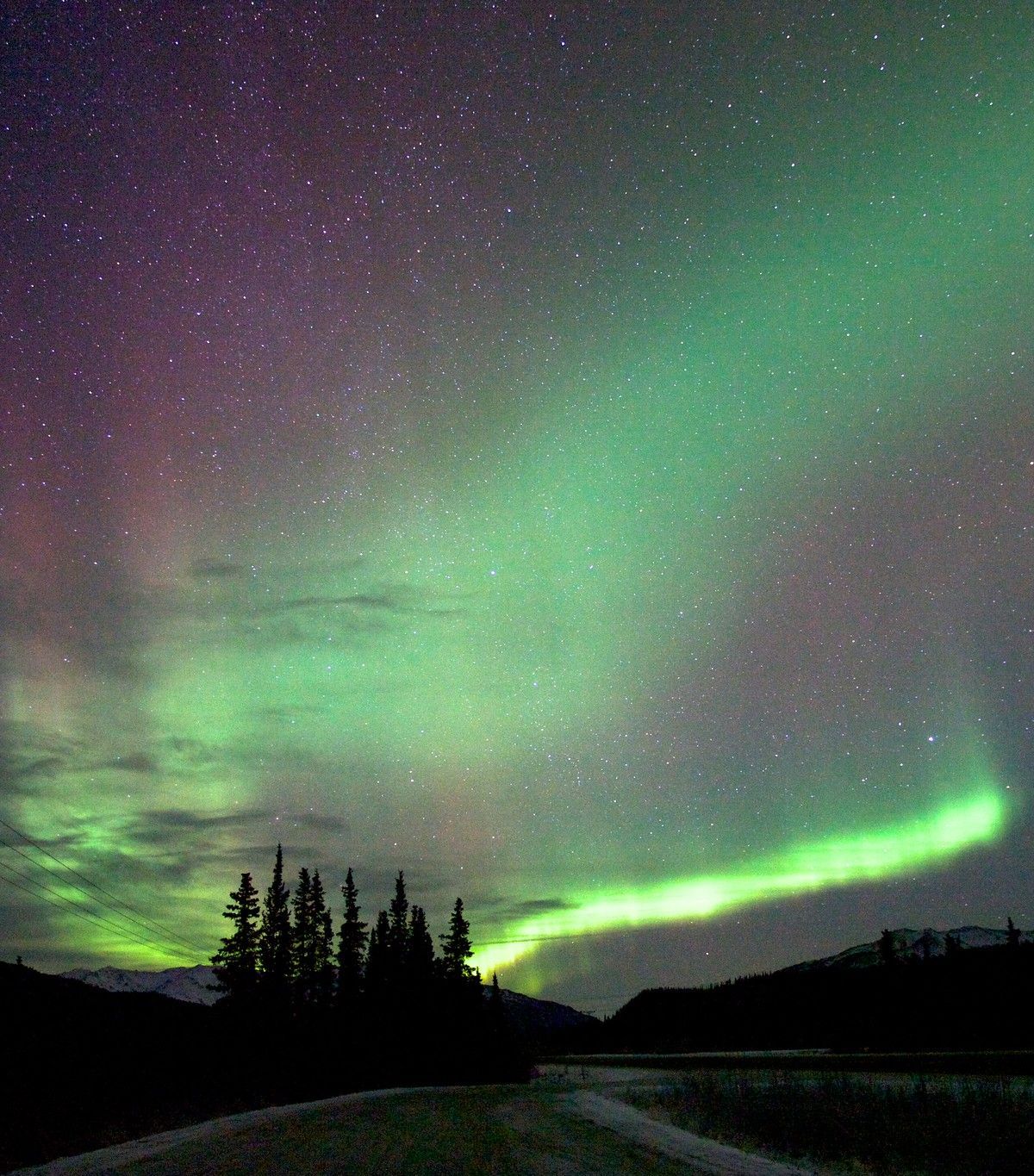
Very little light pollution reaches the park, so the Milky Way and thousands of faint stars stand out here far more than they do near cities. As April winds down, the returning sun starts to wash out the night sky, and through summer the stars disappear from view entirely. A star chart or stargazing app can help you name the stars and planets you see.
The aurora borealis is the other main draw of the dark months. Seeing it depends on three things lining up: an active aurora, a sky dark enough to show it, and clear weather. Forecasts give an expected strength on a 0 to 9 scale, so look one up before heading out. Winter gives the longest window, and the sky is usually dark enough to watch from about two hours past sunset until two hours ahead of sunrise. Around midsummer the sun keeps the sky too bright, so a trip within six weeks of the summer solstice is unlikely to include any aurora.
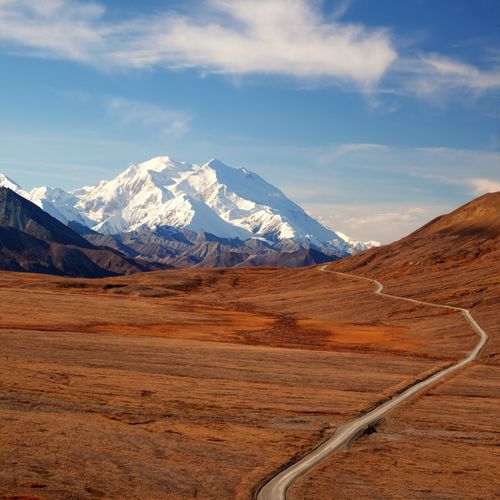
Whenever snow has not closed Denali Park Road, you can drive it at hours of darkness, and a late drive is a worthwhile way to search for the aurora. The Winter Visitor Center is housed in the Murie Science and Learning Center 1.4 miles along the park road. Trails can be reached directly from the center, and ranger-led programs are sometimes offered, so check the event calendar before you go.
Moonlit skiing and hiking are an option, as the park never fully shuts down, though keeping most of your outings to daylight is the safer choice. Cross-country skiing and snowshoeing on the winter trails lie a few minutes from the visitor center. With only a few visitors each day in winter, the quiet can feel remote.