Dry Tortugas National Park guide · 1 min read
Spring Migration: A Birding Layover at Sea
Spring is the best time for birdwatching at Dry Tortugas National Park, and the islands make a natural stopover for birds traveling between South and North America.
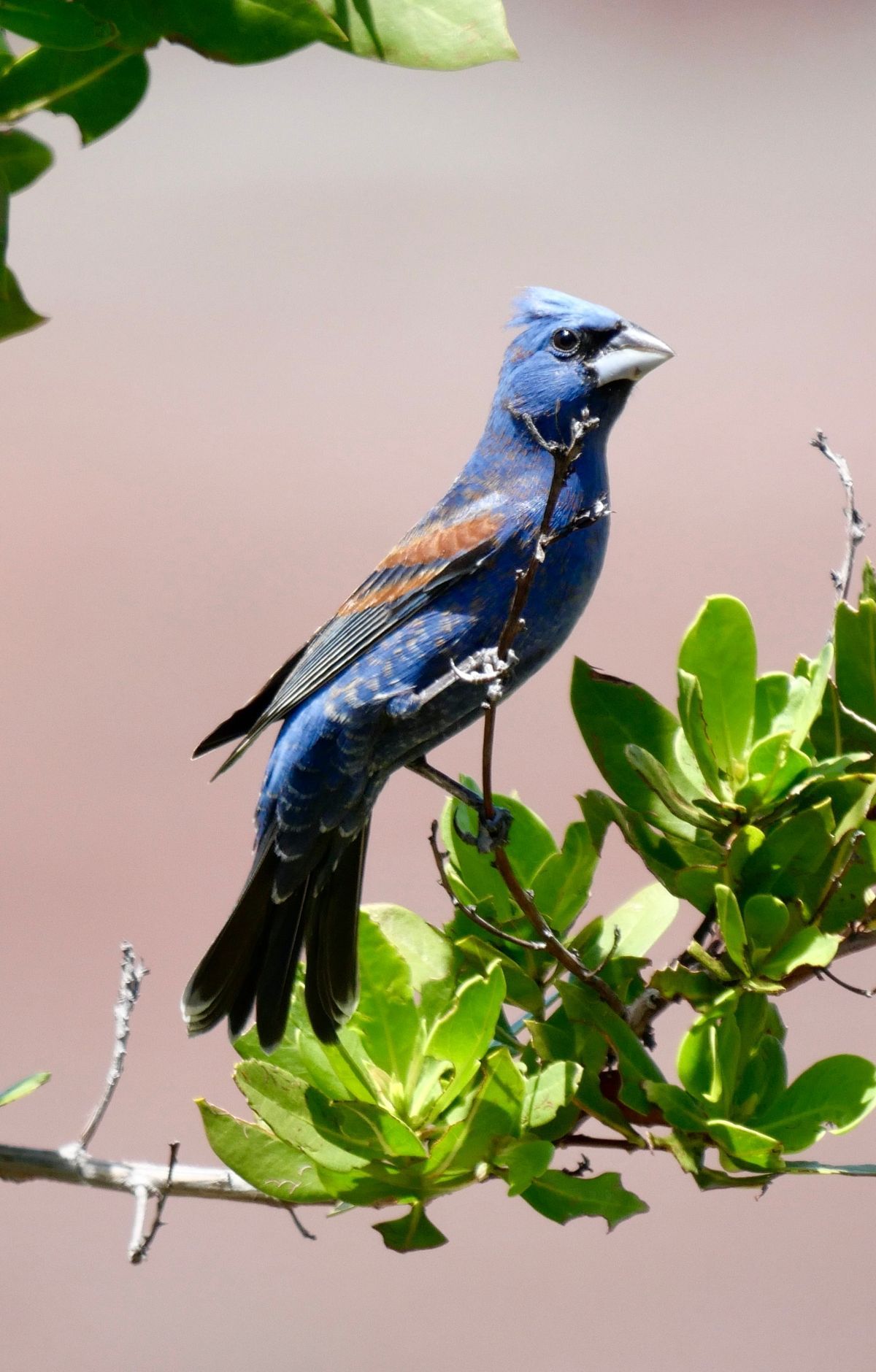
On a good day in spring, dozens of migratory species can pass through. The park's official list includes 299 species, and nearly 300 have been spotted here over time. Spring migration is the season most birders prefer, though fall migration also brings birds through.
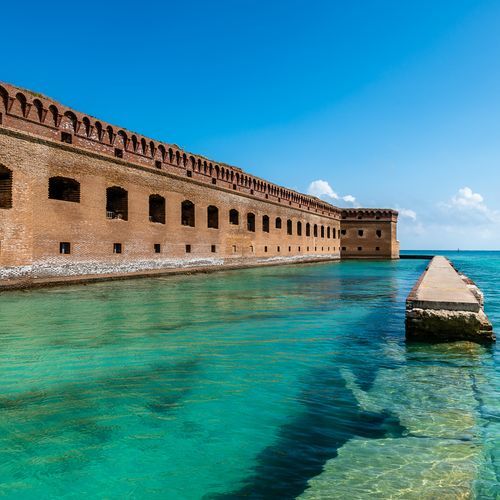
Garden Key is where boats and seaplanes arrive, and historic Fort Jefferson stands on it. Birds settle on the parade grounds inside the fort, often close enough for visitors to watch in detail. Among the warblers that pass through are the northern parula, American redstart, prairie warbler, hooded warbler, and Cape May warbler, and more than twenty other warbler kinds have been recorded at least once. Several kinds of birds of prey are often seen in the area, hunting songbirds.
Sooty terns, brown noddies, magnificent frigatebirds, and masked boobies all nest here in colonies, and this is the only place in the contiguous United States where they do. Eight species nest here regularly, including brown pelicans, roseate terns, and bridled terns.
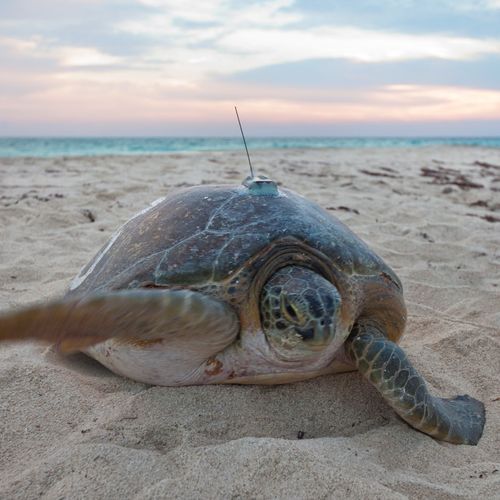
Pelagic seabirds, which spend nearly their whole lives over open water, are worth watching for on the way out. A white-tailed tropicbird is a possible sighting if fortune is on your side. The park sits about 70 miles west of Key West, and most of it is water, so the crossing is part of the visit. From the ferry or the seaplane, sea turtles are another thing to look for on the way in.