Dry Tortugas National Park guide · 1 min read
Stormy Winters vs. Tropical Summers
The climate here is subtropical, with temperatures generally between 60 and 90 degrees. Two seasons shape any trip.
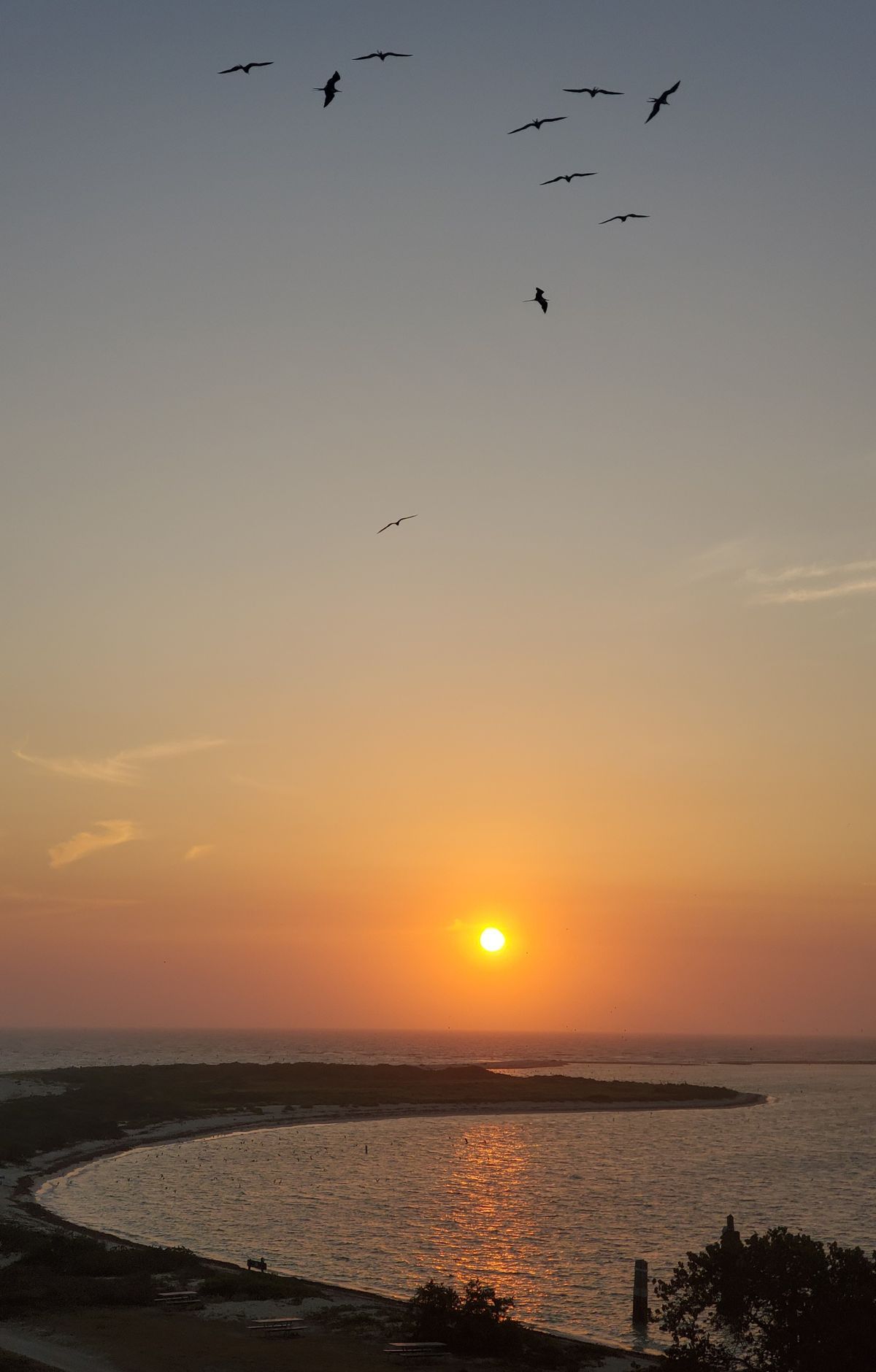
Winter brings stormy weather from December to March, with stronger winds and rough seas. From June through November, isolated storms become more likely and the air turns hot and humid. Winter temperatures ease off and the air is drier.
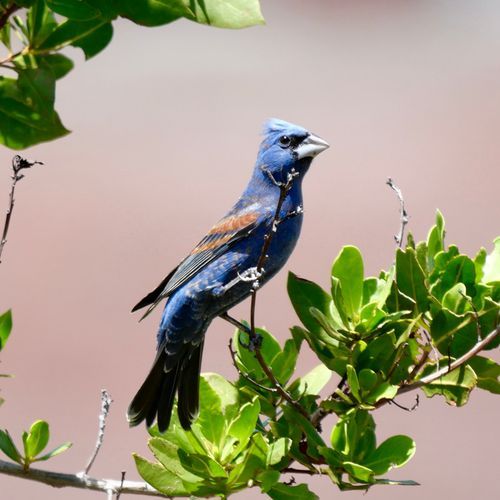
Winter is the windiest stretch of the year. Strong cold fronts moving in from the north and west build large swells, and several days in a row with winds above 20 knots and seas over 5 feet can occur. Rough water makes snorkeling hard because visibility drops, and it can bring on seasickness on the ferry. The ferry may not run when the sea is very rough. Those same passing fronts bring many species of birds into the area, so winter is a good time for birding.
Summer tends to be calm, with little wind and clear water that makes snorkeling rewarding and offers plenty of marine life to see. The Atlantic hurricane season overlaps this stretch, and even storms that miss the islands can disrupt travel and leave effects that last. Anyone arriving from a cooler climate should pack sunscreen, a hat and clothing that lets air move to handle the heat.
Before setting out, look over the offshore forecast from the National Weather Service along with the tide and current outlook. These forecasts matter most for anyone bringing their own boat, though staying informed is wise whatever your plans. Once you arrive, the Park Service weather station on Fort Jefferson reports current weather observations.