Fort Pulaski National Monument guide · 1 min read
1862: Rifled Cannon Breach the Walls
On the morning of April 10, 1862, Union forces asked the Confederate garrison at Fort Pulaski to surrender.
Colonel Charles H. Olmstead refused, and Union artillery on Big Tybee Island opened fire with 36 guns. The fort had been readied for an infantry attack, but no land assault ever came. The battle was decided entirely by cannon.
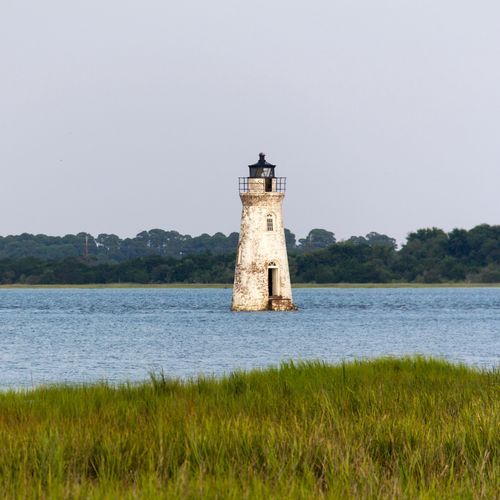
The fort stands on Cockspur Island at the mouth of the Savannah River, a spot with a long defensive history. It was part of a new generation of coastal forts planned after the War of 1812, and when it was built, its massive brick walls were thought to be invincible.
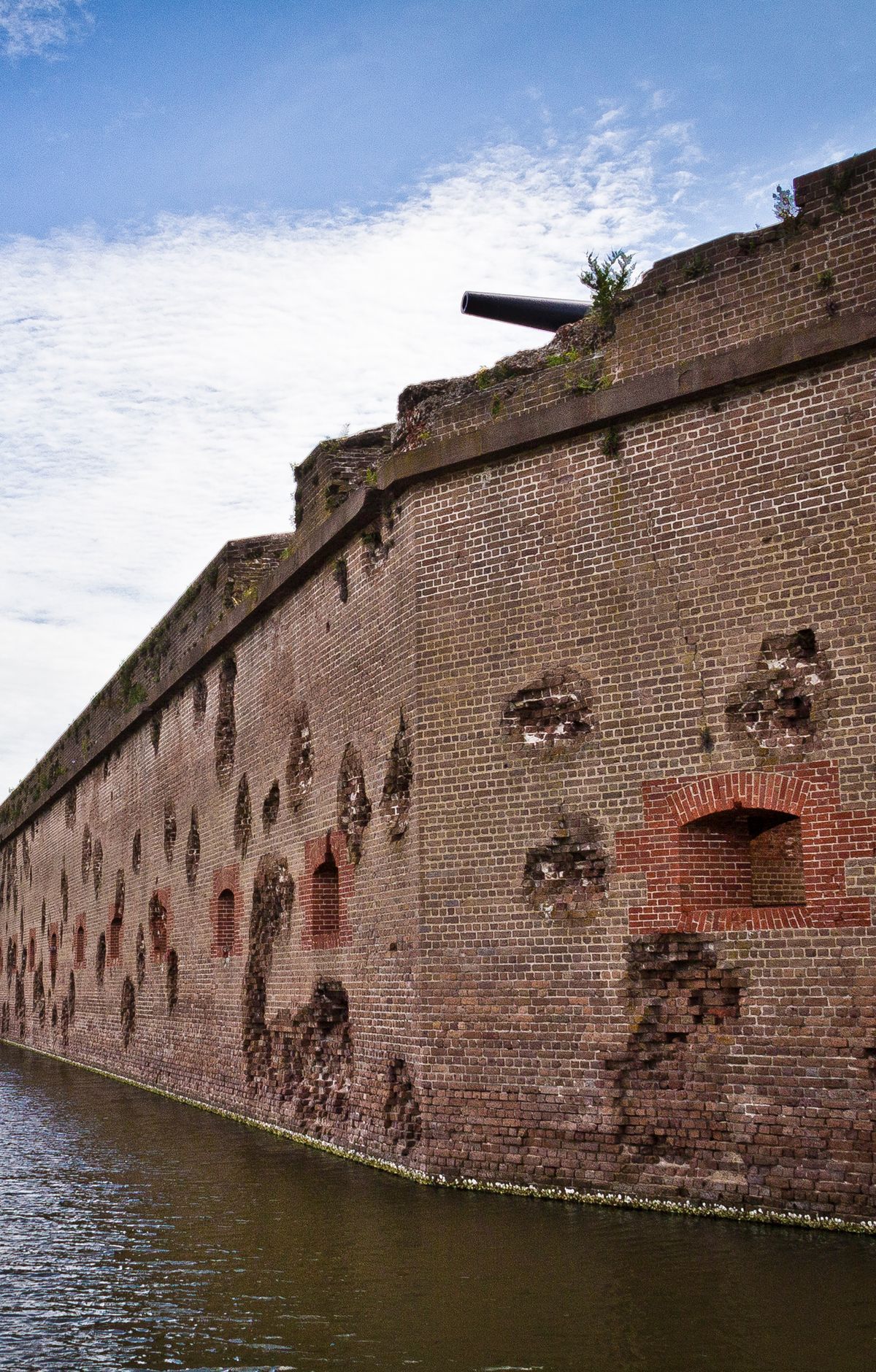
Rifled cannon proved otherwise. The Union batteries included new James rifles and Parrott rifles, which threw projectiles farther and more accurately than the heavier smoothbore cannonballs of the day. Within about 30 hours they had opened a gap in one of the fort's corner walls. Shot began crossing the interior toward the northwest powder magazine, which held twenty tons of powder. Facing that danger, Olmstead surrendered on the afternoon of April 11. Only two soldiers died in the attack, one on each side. A Union report after the siege concluded that well-handled rifled guns could breach masonry quickly.
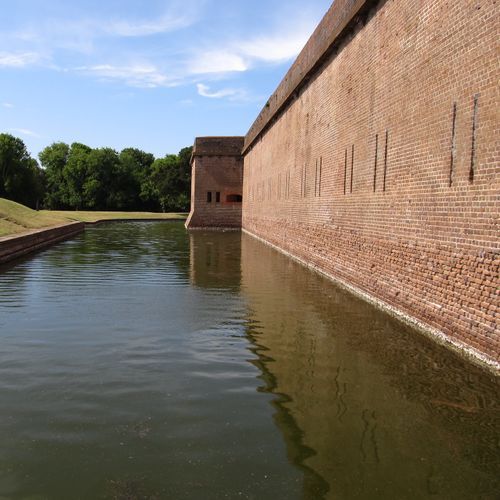
The scars are still there. Walk around the moat and you can see the wall that was breached and later repaired, along with damage left by Union shells. A Parrott rifle now faces those battle-damaged walls.
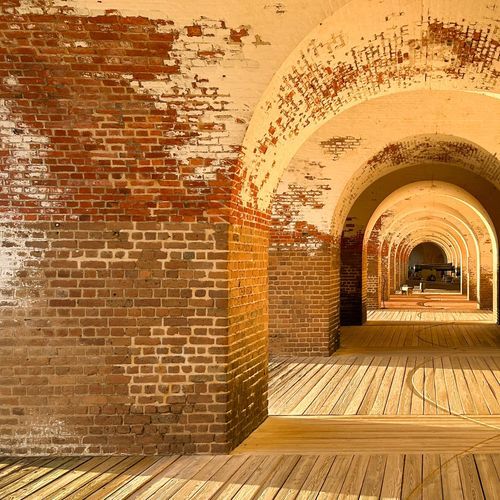
To dig deeper, start at the Fort Pulaski Visitor Center. Siege Day, which commemorates the anniversary of the battle, has brought fort tours that leave from the visitor center and cannon demonstrations inside the fort itself.