Fort Pulaski National Monument guide · 1 min read
Builders and Freedpeople of Cockspur Island
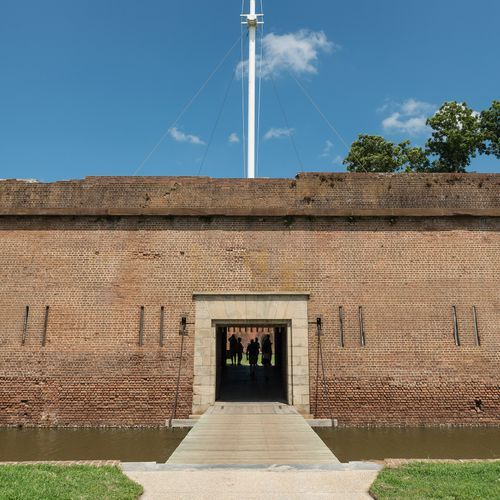
Fort Pulaski was raised by two groups of people whose stories are tied to Cockspur Island: Army engineers and enslaved men, who together built the fort.
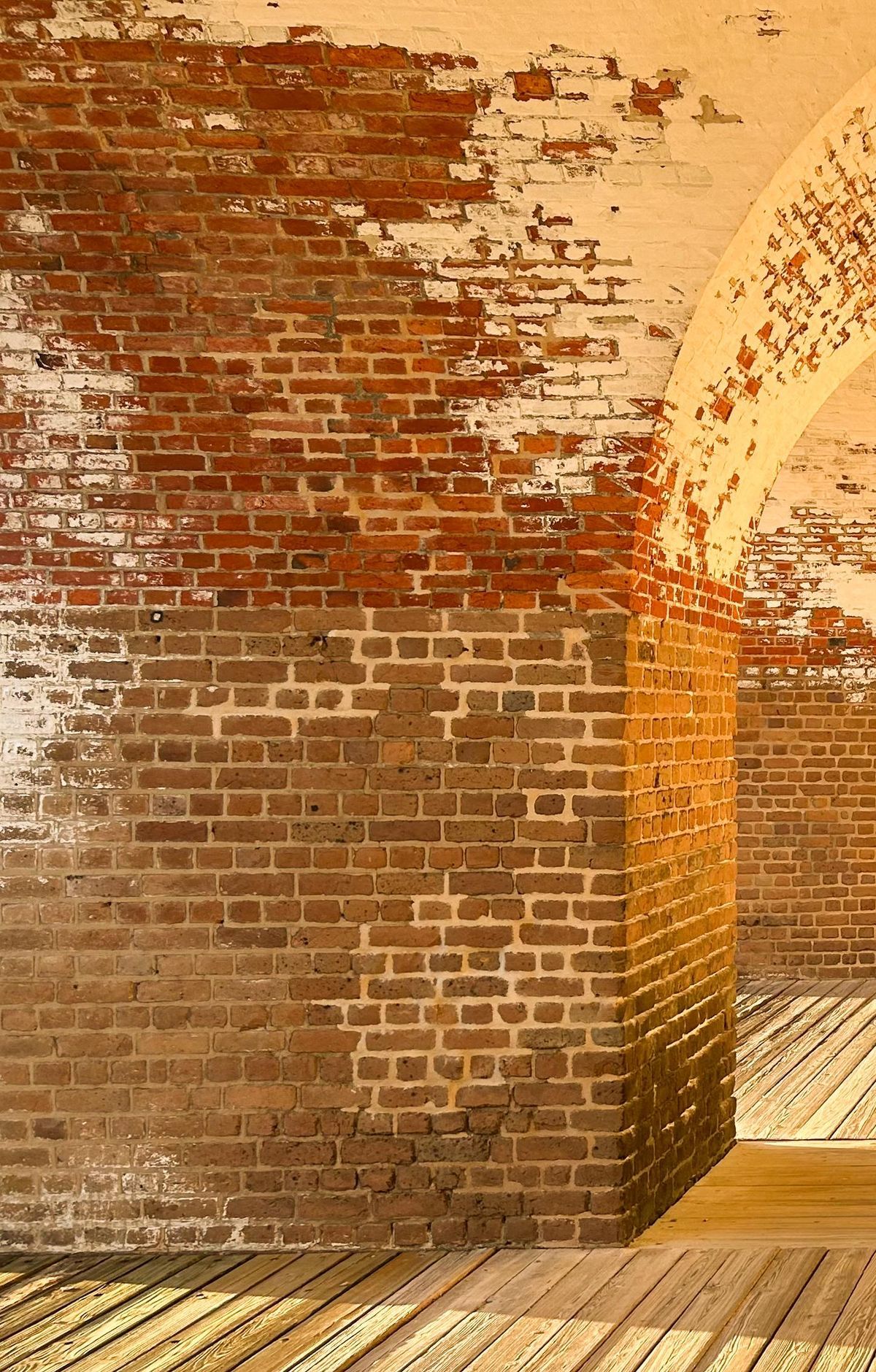
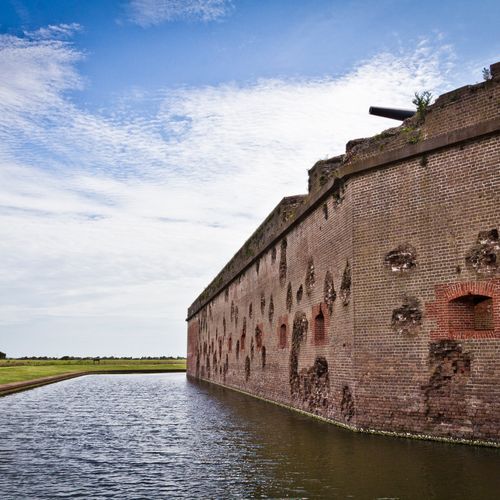
After the War of 1812, the nation set out to build a new generation of waterfront defenses, and this massive brick fort at the mouth of the Savannah River was one of them. Thousands of workers had a hand in building it during the first half of the nineteenth century.
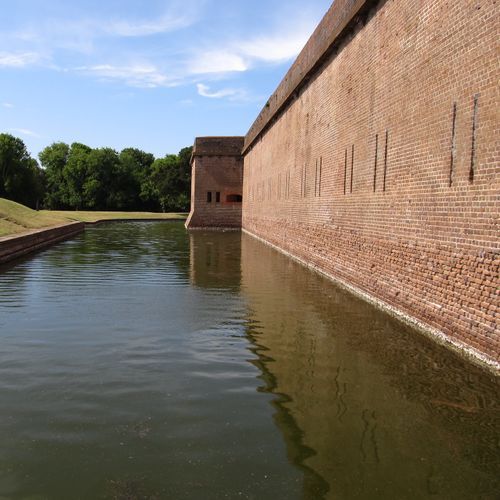
Traces of that work still sit around Cockspur Island. Remnants of the Construction Village, used from 1820 to 1880, include ovens, cisterns and other stonework scattered across the grounds. The North Pier along the North Channel was once the center of the building effort. Near the fort, the Feeder Canal and South Channel link the moat to the Savannah River, and today the canal supports a range of aquatic life.
African Americans have been part of life on Cockspur since the mid-eighteenth century. The white people who lived and worked beside them often took their presence for granted, and historians long left their stories largely undocumented. The park now works to bring those experiences forward and to show the fort's place in African American history, both in the Lowcountry and across the nation.
The fort also became a place of refuge, as men and women sought safety inside its walls. Freedpeople are part of the island's story too, and a historic photograph shows a group of them standing in front of a house on Cockspur Island. As you walk the fort and the old construction sites, keep in mind the enslaved builders and the freedpeople whose lives shaped this island.