Glacier Bay National Park & Preserve guide · 1 min read
Rain Gear, Seasons and Winter Auroras
Ocean currents shape the weather here, giving Glacier Bay a maritime climate with mild winters and cool summers near sea level.
Winter nights usually settle between 25 and 40 degrees, and temperatures seldom drop into the single digits. Summer highs typically fall between 50 and 60 degrees, so layers are the simplest way to handle that range.
Precipitation is one of the defining features of the park. Bartlett Cove, near park headquarters, collects about 70 inches in a typical year. April, May and June are usually the driest months, while September and October are the wettest. Waterproof gear is worth packing for fall trips, when the park is at its soggiest.
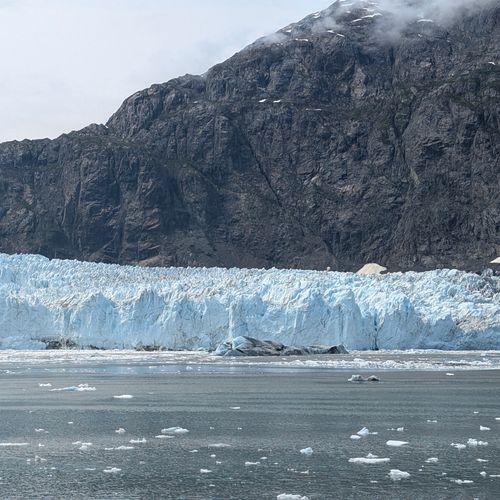
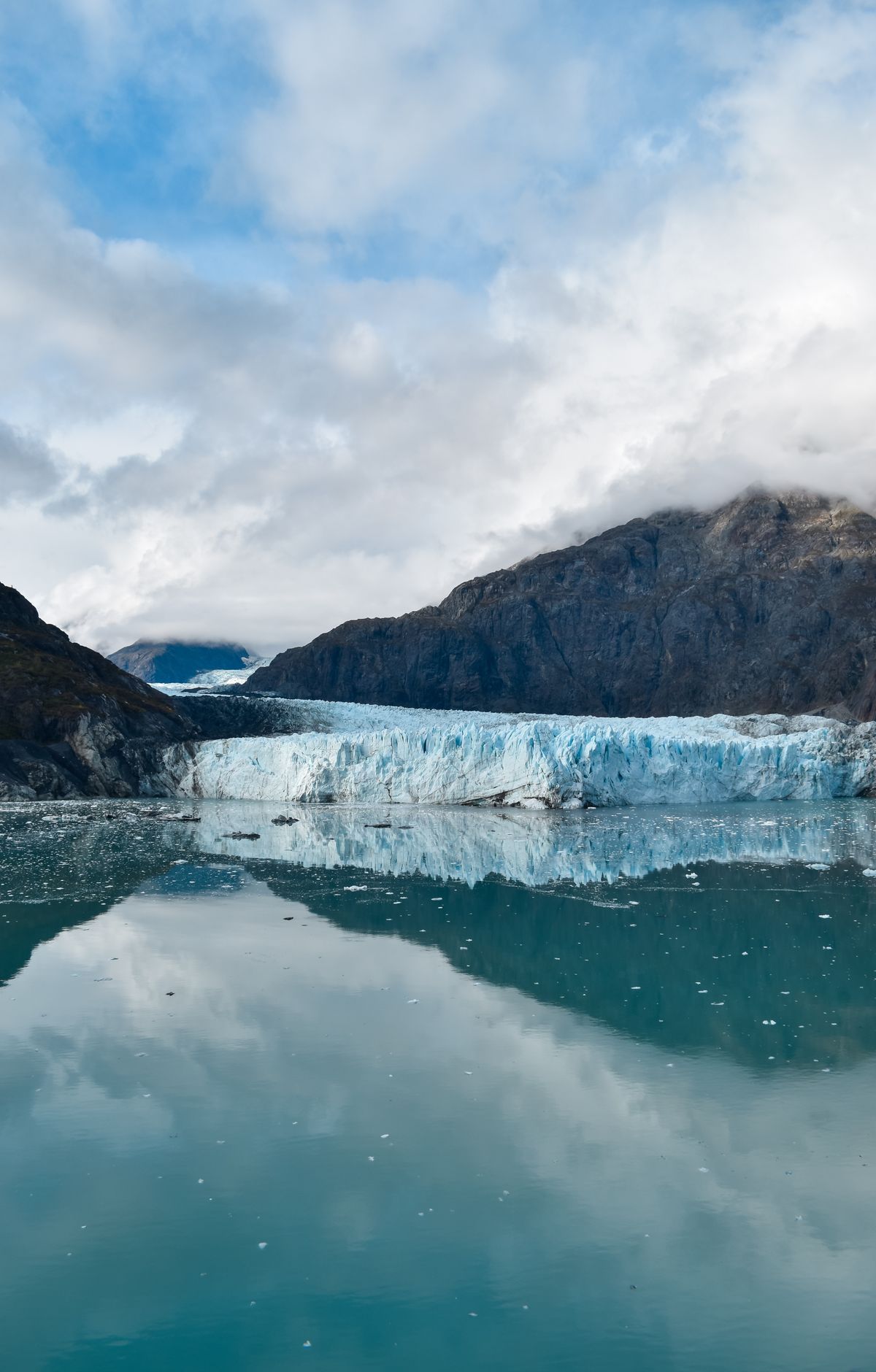
The snow-covered Fairweather Range helps explain the wet weather. It stands between the bay and the Gulf of Alaska, where its peaks wring moisture out of air rolling in from the water, and that moisture feeds the park's largest glaciers.
Winter is when many visitor services pause. The Glacier Bay Lodge and Visitor Center closes for the season, and the Visitor Information Station keeps its own seasonal pattern, operating in the spring and fall shoulder months of May and September.
The aurora borealis is a rare nighttime sight, seen most often in winter. On one winter night, green and pink light took the shape of curtains above the Glacier Bay Lodge. Flightseeing from nearby communities offers an aerial view of the park when the weather allows.