Grand Teton National Park guide · 2 min read
Snow Any Month: Teton Seasons and Road Closures
Grand Teton has long, cold winters, and snow or frost can show up in any month of the year.
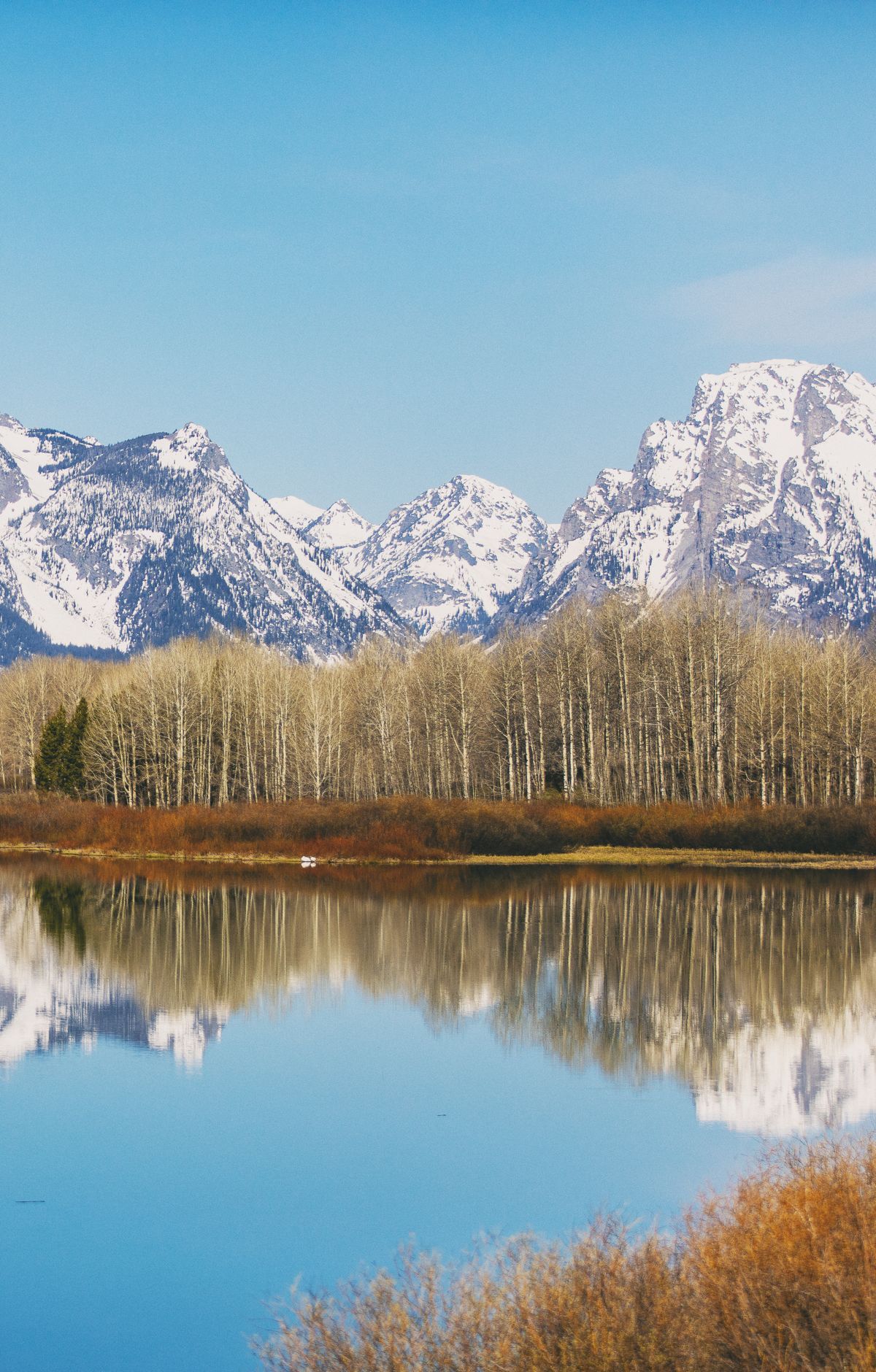
Spring alternates between mild afternoons, chilly nights, and rounds of rain and snow. Fall swings between sunny afternoons and cold nights, with rain and the occasional snowstorm mixed in.
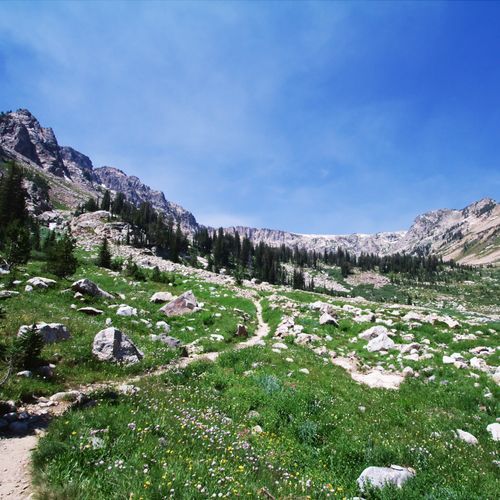
July and August are the warmest stretch, with comfortable days and cool nights. Afternoon thundershowers are common, and mountain weather can turn quickly. If you're heading above tree line or onto exposed passes like Paintbrush Divide or Static Peak Divide, start early, watch the sky, and be ready to turn back. Even when the morning feels warm, bring rain gear and something extra to layer on.
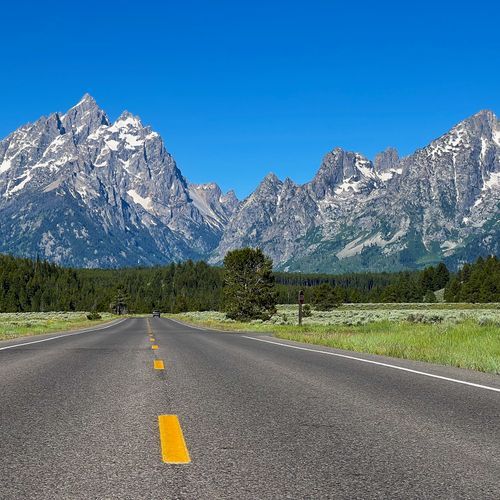
On November 1, the Teton Park Road closes to cars between Taggart Lake Trailhead and Signal Mountain Lodge, and it stays that way through April 30. The Moose-Wilson Road also closes on a set schedule between Granite Canyon Trailhead and Death Canyon Road. The closures open the roads to people on foot and give wildlife room to move. Until snow covers the pavement, you can walk, run, bike, rollerblade, or bring your dog along.
Once the snow sticks, bikes and skates are no longer allowed, and the Teton Park Road becomes a winter trail. From mid-December to mid-March, crews groom its 14-mile closed section for cross-country skiing, snowshoeing, and walking. Dogs can still come along, as long as they stay on a leash and keep to the shared lane. Taggart Lake, Colter Bay, the Moose-Wilson Road, and Antelope Flats Road are other good places to get out on skis or snowshoes.
From December into April, sunny days between storms give way to frigid nights, and snow covers both the valley and the peaks. Plan for a quieter park, since every campground and most visitor facilities shut down or cut back in the colder months.