Great Basin National Park guide · 1 min read
Dark Sky Park Nights and the Observatory
Great Basin holds Gold Tier status as an International Dark Sky Park. Park staff use red exterior lights, switch off white lights after dark and fit motion sensors so fixtures run only when needed.
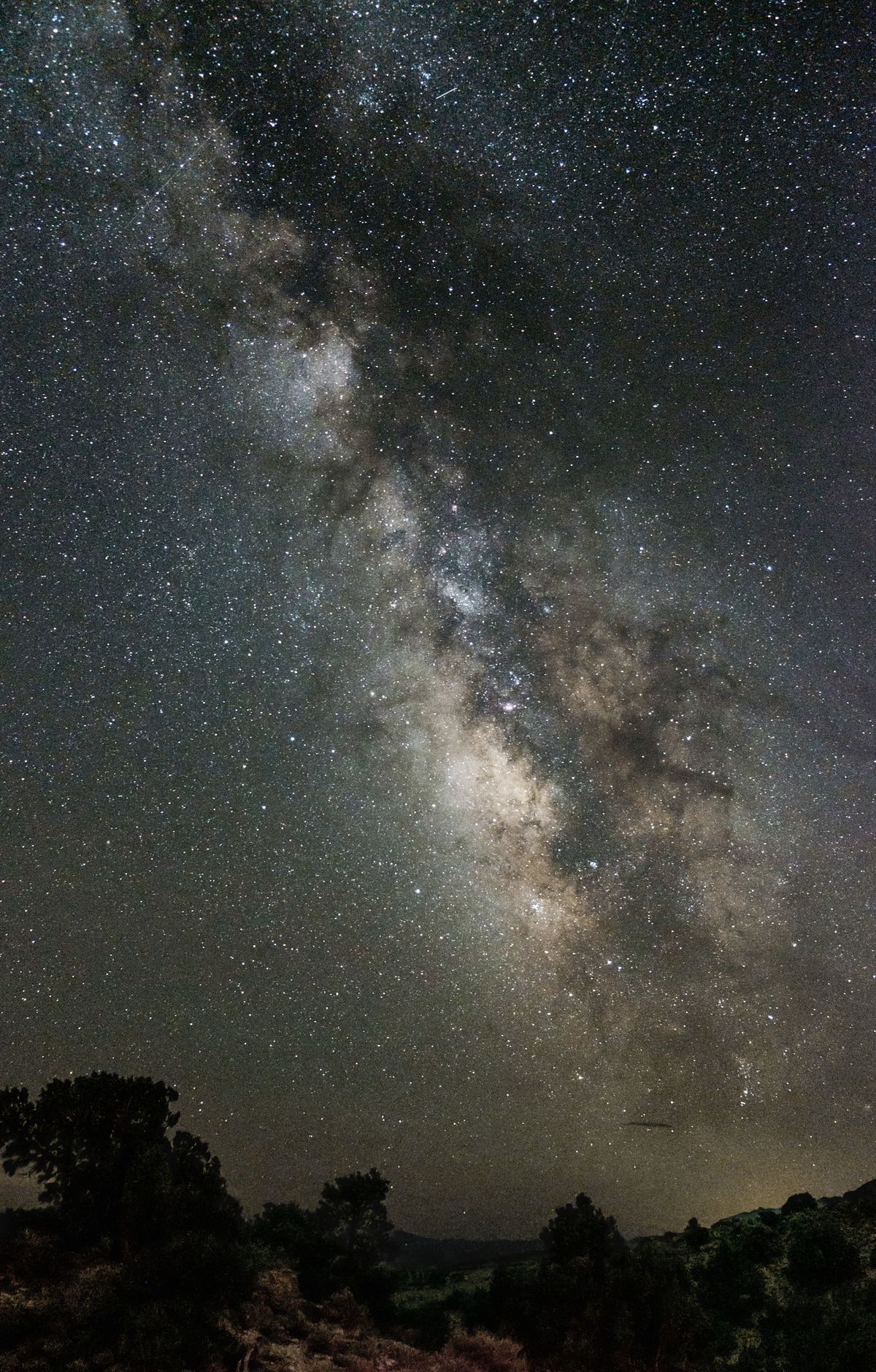
Sky brightness is measured every month. On a clear summer night with no moon, thousands of stars appear, and the Milky Way is easy to spot from almost anywhere in the park. With your eyes adjusted, you can pick out the Andromeda Galaxy and the planets Jupiter, Saturn and Mars.
Ranger-led astronomy programs meet at the Astronomy Amphitheater beside the Lehman Caves Visitor Center. A talk of about thirty minutes comes first, followed by roughly ninety minutes of telescope viewing. Topics vary, but rangers may cover the night sky and people's relationships with the stars. Rain or lightning close to start time can cancel a session.
Among national parks, Great Basin Observatory is unique for its research-grade work. Set at about 6,800 feet, it works with the University of Nevada, Reno, and Southern Utah University on projects such as double-star studies and exoplanet research. Ranger-led tours visit its 27-inch telescope. The walk is one mile round trip on gravel trail and pavement, with an hour on your feet, and the tour is not wheelchair accessible. Groups top out at 15, so reserve in advance.
Stargazing on your own works too, away from artificial light. Check Great Basin's Astronomical Forecast before you go, since it pairs weather with sky brightness for the coming days. The Great Basin Astronomy Festival, timed to the new moon weekend, brings astrophotography workshops, observatory tours, astrophysicist talks, star parties and constellation sessions. Bring red lights rather than white flashlights, pack extra layers, and plan ahead, since campgrounds and events fill quickly.