Haleakalā National Park guide · 1 min read
Endangered Species Capital of the Park System
Haleakalā holds the highest count of endangered species anywhere in the National Park Service system.
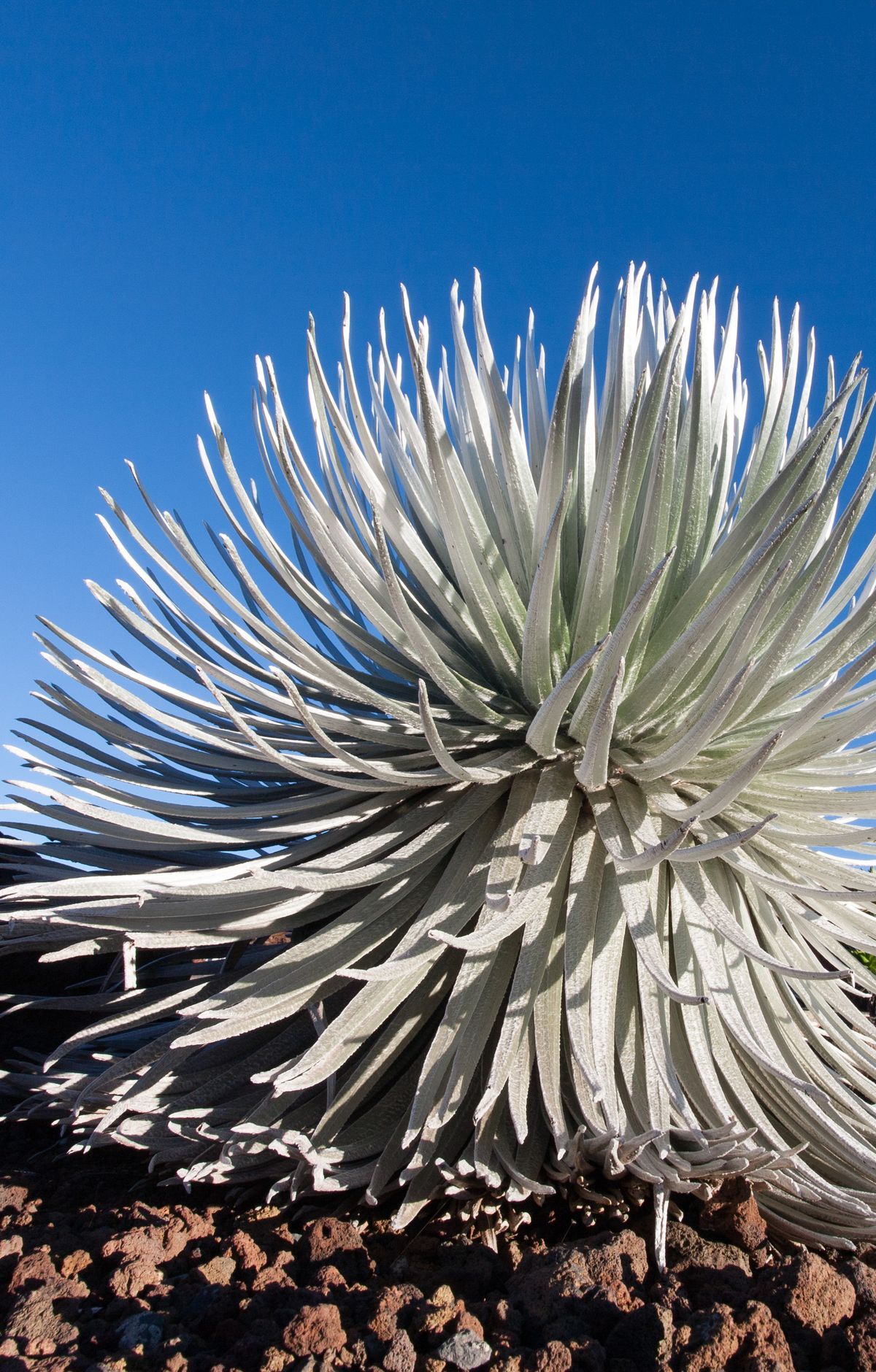
That standing grows out of isolation. The Hawaiian Islands lie cut off from every mainland, which let plants and animals develop along separate paths and produce forms found nowhere else.
The park has only two native Hawaiian land mammals, the Hawaiian hoary bat and the monk seal. Beyond those two, the park has no native land amphibians or reptiles at all.
The park supports more than 850 kinds of plants. Among them, the Haleakalā silversword is a well-known plant that grows where few others seem able to survive. Once it blanketed the mountain so thickly that from a distance the slopes looked white with snow. As more people traveled to this part of the island, native species declined, and the silversword is now endangered.
Visitors can watch wildlife in several settings. Native and introduced birds often turn up in parking areas and beside roads, day or night. Three honeycreepers live only on east Maui: the Maui Alauahio, the Akohekohe, and the Kiwikiu, also called the Maui Parrotbill, which is critically endangered. Offshore, whales, turtles, dolphins and seabirds sometimes appear, and freshwater searches for shrimp, the rock-climbing goby and other fish are just as rewarding.
Because these ecosystems are so fragile, the rules matter. Hikers must stay on marked trails, which the law requires, and must pack out everything they bring in, trash included. Following leave no trace practices helps, and visitors should never feed wildlife, since animals here already find all the food they need. On the road, keep to the speed limit, stop and wait for animals to cross, and take extra care in wind, rain or fog.