Haleakalā National Park guide · 1 min read
House of the Sun: Maui and Haleakalā
Haleakalā means House of the Sun in Hawaiian, and a legend tells of the demigod Maui. With help from his grandmother, he is said to have captured the sun and slowed its path across the sky, which lengthened the day for his people.
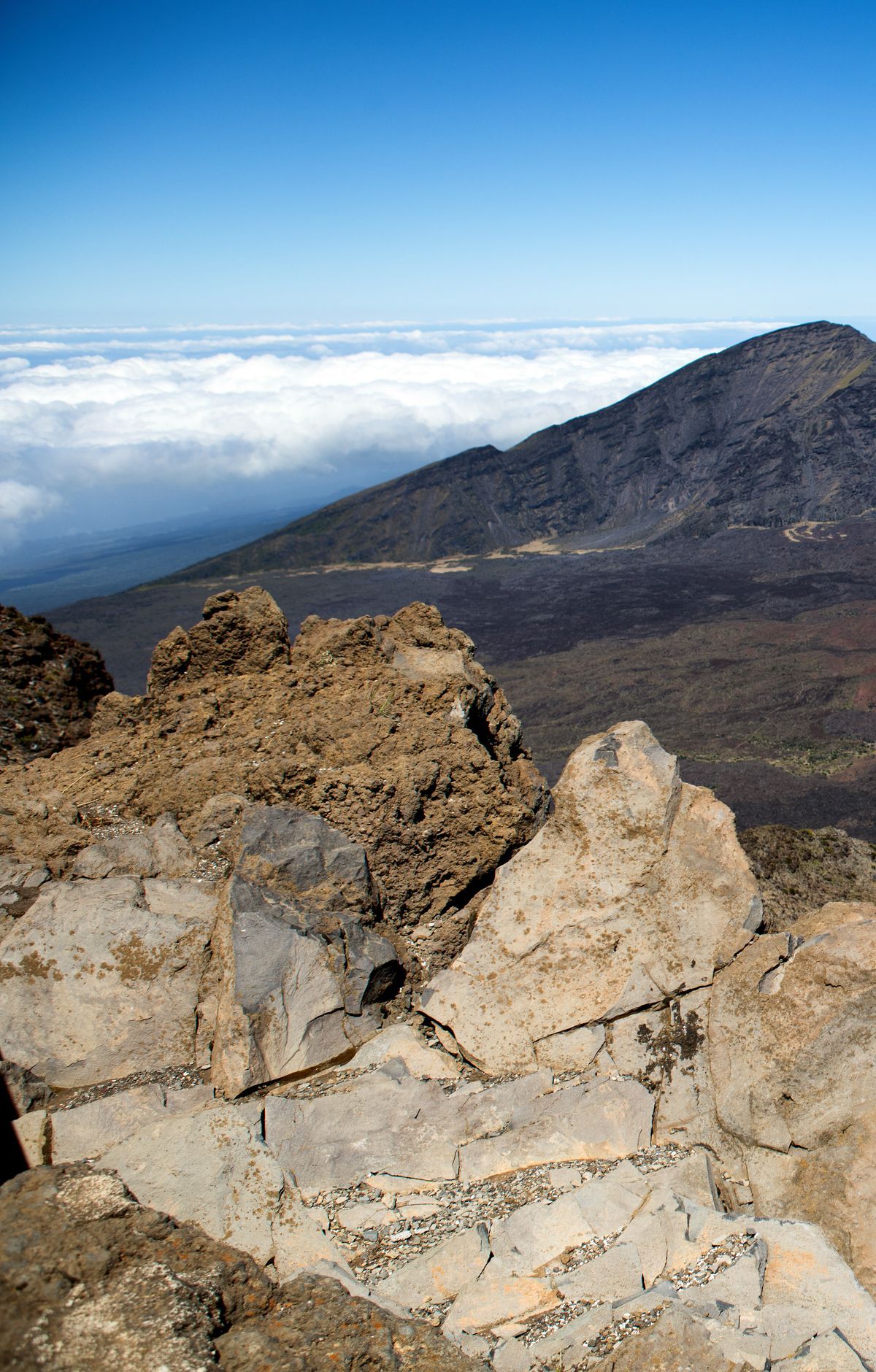
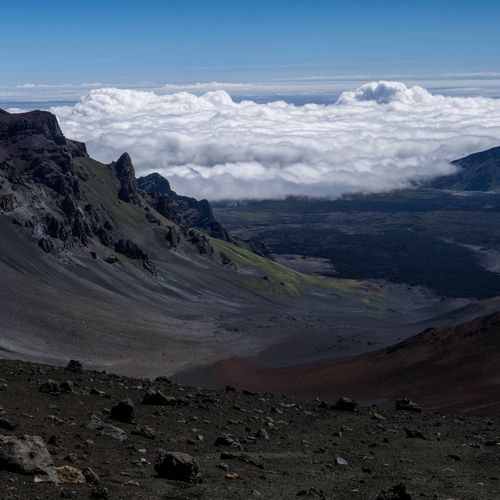
The mountain is a massive shield volcano that makes up more than 75 percent of the island of Maui. Many visitors drive to the summit before dawn to watch the sunrise above the clouds, though the weather does not always cooperate and clouds can hide the summit entirely. The highest point is Pu'u 'Ula'ula, also called Red Hill, at 10,023 feet, and it is a popular spot to watch the sun come up.
The summit area is dominated by Haleakalā Crater. Despite its name, the crater is geologically an erosional valley. It measures nearly seven miles across and about 2,600 feet deep, and numerous cinder cones, some of them large, are scattered across its interior. Hikers can descend into it from the summit along the Halemau'u and Sliding Sands trails, both designated National Recreation Trails, and those who stay overnight can use one of three cabins.
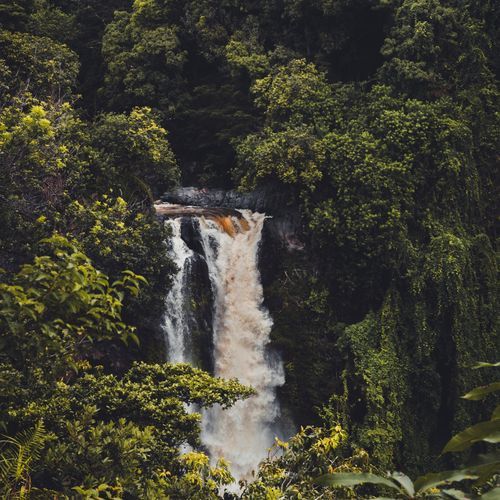
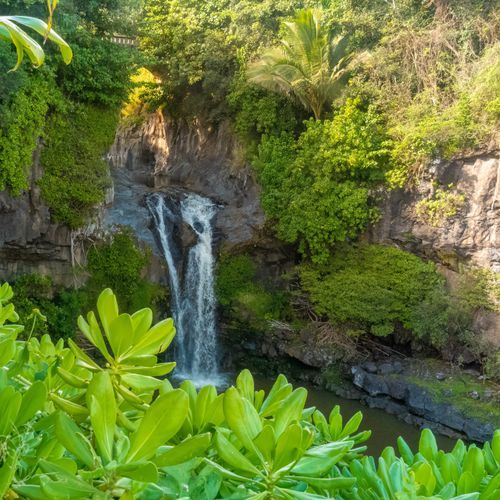
The Kīpahulu District sits on the southeastern coast along the Road to Hana, and it looks very different from the summit. Its lush forests and waterfalls are a sharp contrast to the volcanic landscape above. The two sections are not connected by road, so seeing both takes two separate trips, and both are reached from Kahului.