Haleakalā National Park guide · 2 min read
Summit Crater Overlooks: Leleiwi to Kalahaku
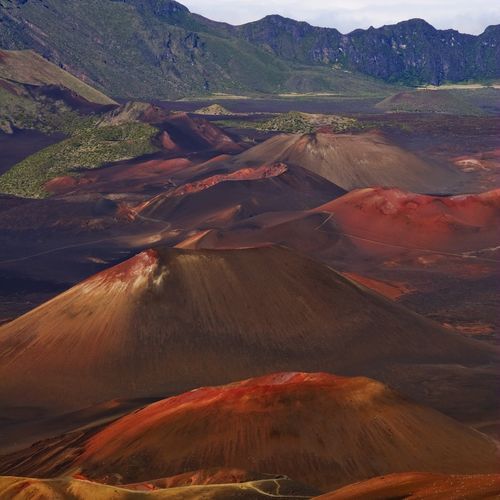
Kalahaku Overlook sits partway down the winding road from the summit, at 9,324 feet. A brief climb from the parking area reaches the lookout over the valley's volcanic terrain.
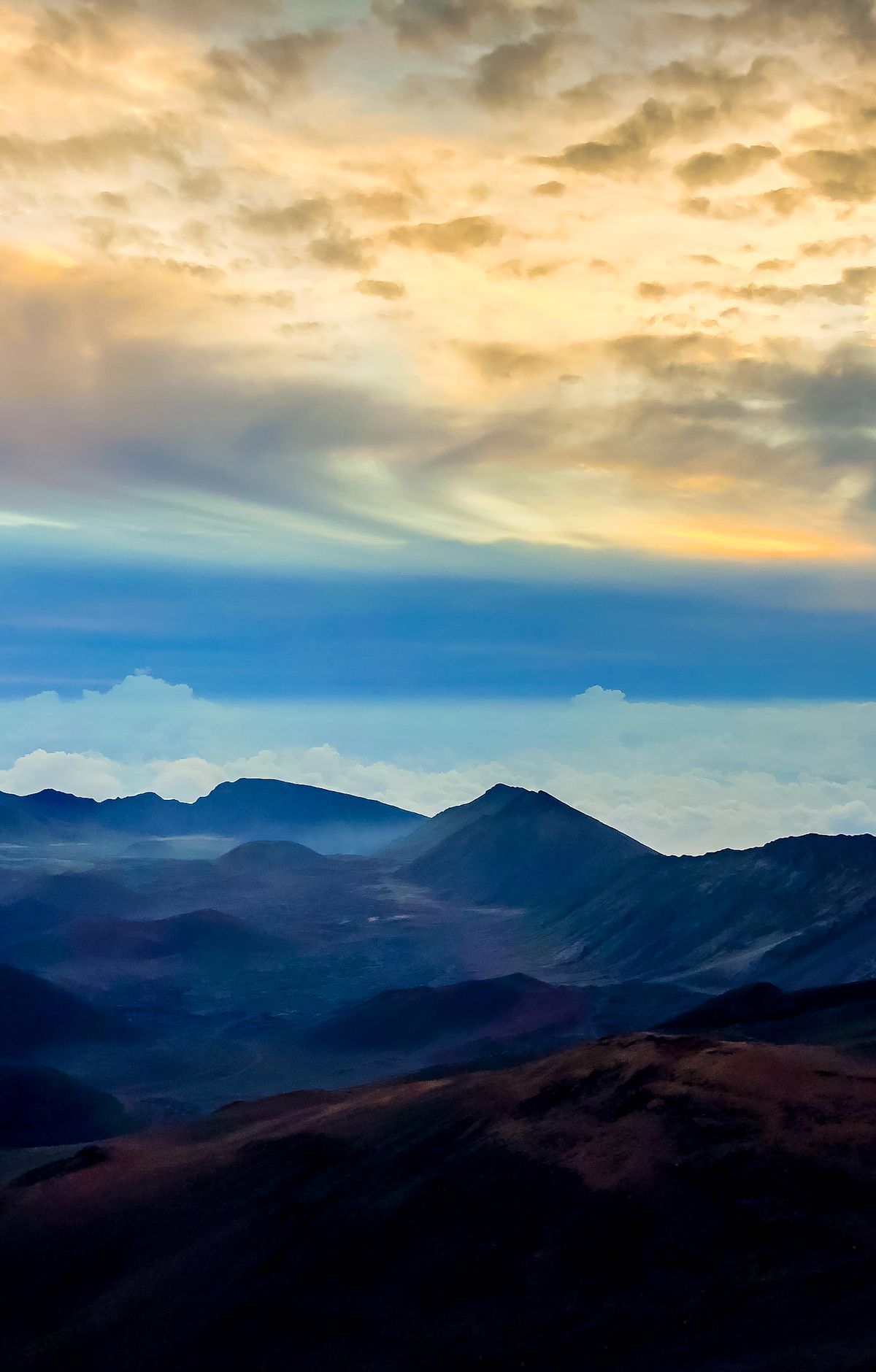
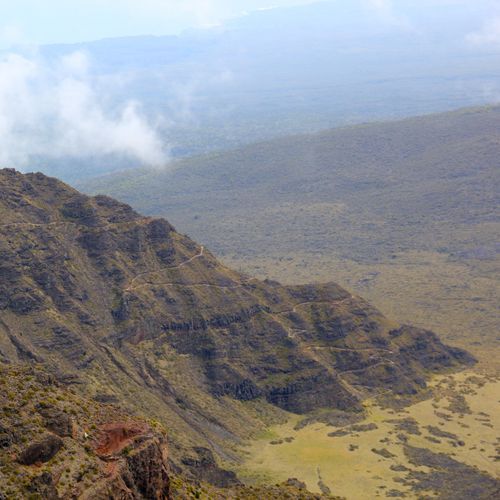
At dawn, watchers can pick out mile after mile of trail threading across the crater floor. Though called a crater, Haleakalā Crater was shaped by erosion into a valley roughly 2,600 feet deep, and cinder cones dot its floor.
Going farther down the road from Kalahaku, you reach Leleiwi Overlook at 8,840 feet. The round trip covers about three-tenths of a mile over rocky ground. Because the ground is uneven, carry a headlamp or flashlight for a predawn walk. Views reach into the crater, toward the north coast of Maui, and over the Koʻolau gap.
Expect about half an hour of driving from the entrance gate to the top. The road has neither streetlights nor guard rails. Just before daybreak, the air tends to be wet and blustery, and temperatures can fall below freezing. Nothing to eat, wear, or fuel up with is sold inside the park, so bring supplies.
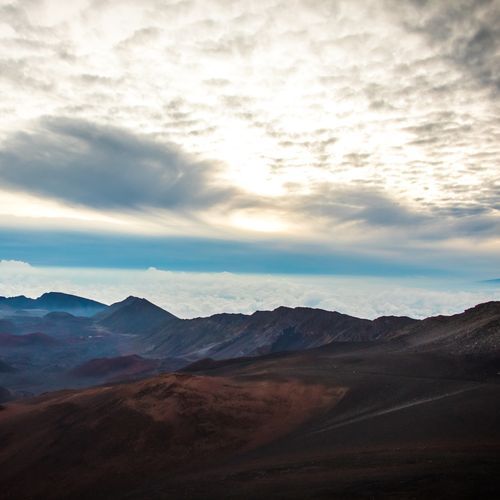
Sitting at 10,023 feet, Puʻuʻulaʻula Observation Deck is the loftiest spot on the island. As the east lightens, you look out over Maui and nearby islands in every direction. At the Haleakalā Visitor Center, early risers may catch an oli, a Hawaiian chant that welcomes the sun. The summit is sacred to Native Hawaiians, so keep your distance from anyone practicing traditions.
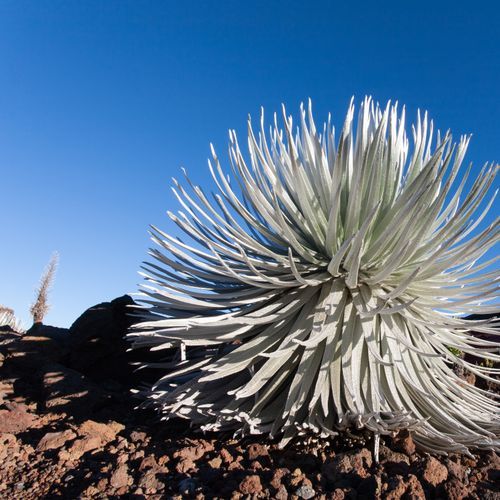
Keep an eye out for the Haleakalā silversword, which grows nowhere else on Earth and is now endangered. People once uprooted them as keepsakes, and hotter, drier conditions now add strain. Between miles 2 and 3 of the Sliding Sands Trail, you have one of the best chances to see them, so stay on the path. Science City is also on the park's list of attractions.