Hawaiʻi Volcanoes National Park guide · 2 min read
Packing for Summit Chill and Coastal Heat
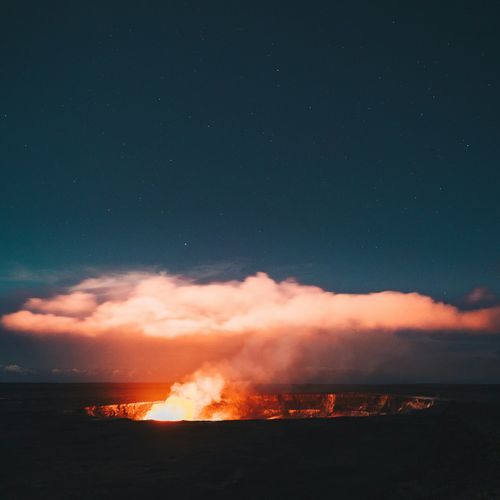
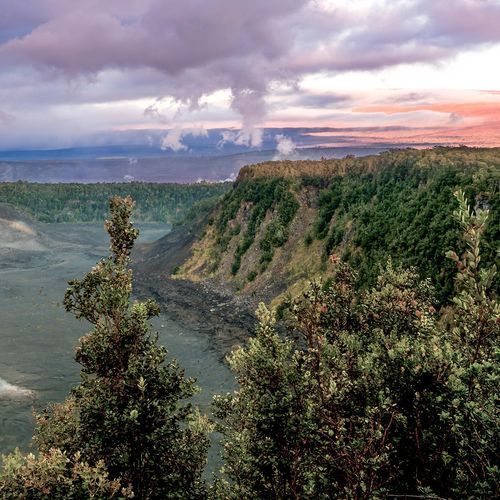
Conditions at the summit of Kīlauea, about 4,000 feet up, shift from day to day, and rain and chill can arrive in any month.
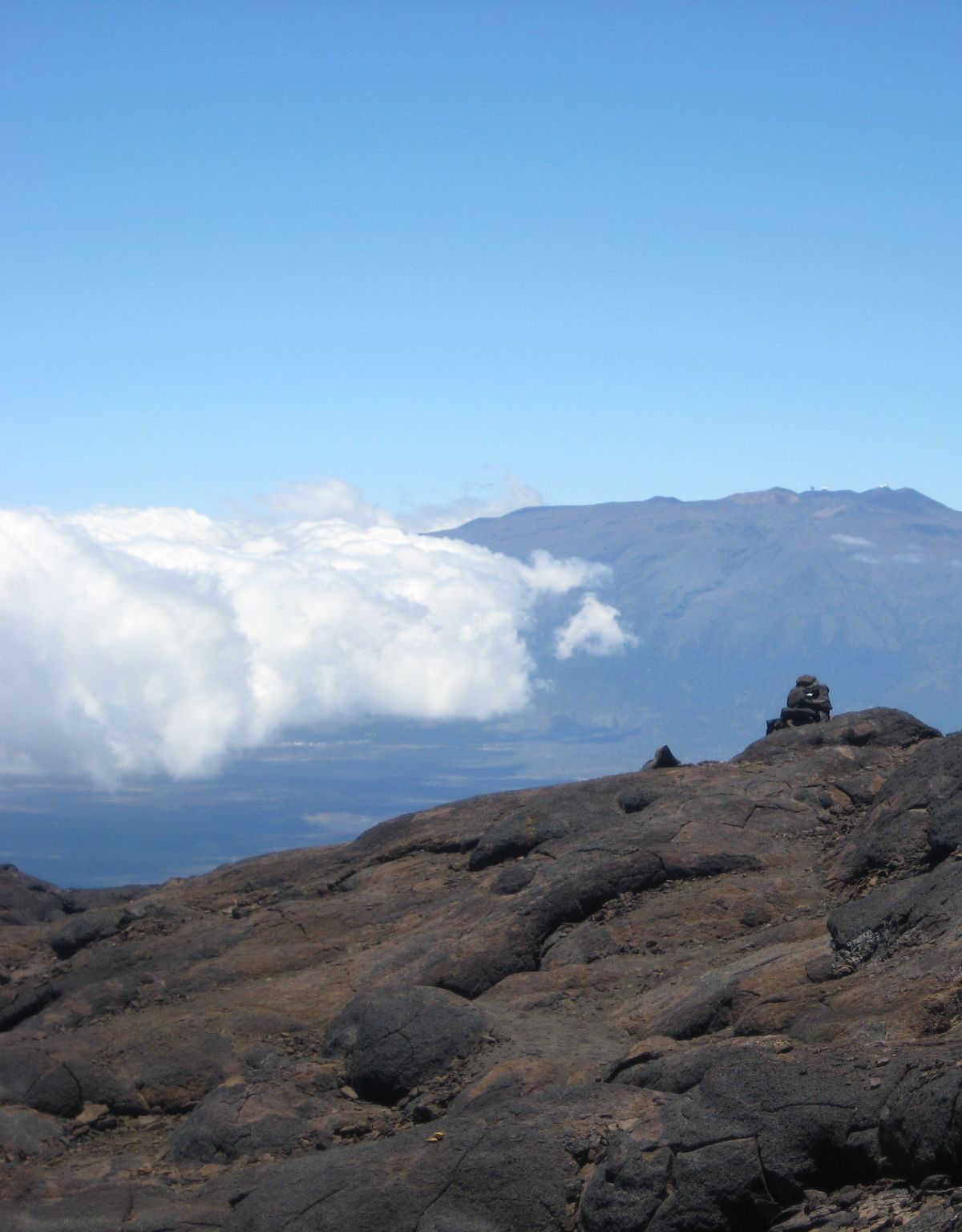
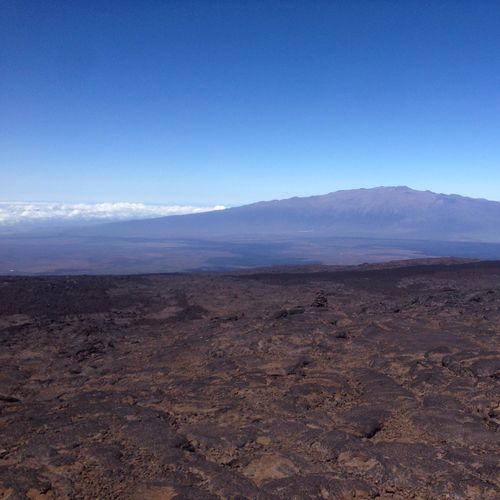
Elevation makes a big difference to temperature. Compared with sea level, the summit can run 12 to 15 degrees cooler, so a warm layer belongs in your pack even on a bright afternoon. On Mauna Loa, which rises to 13,680 feet, snow can fall in any season, days can be extremely hot, and nights can drop below freezing.
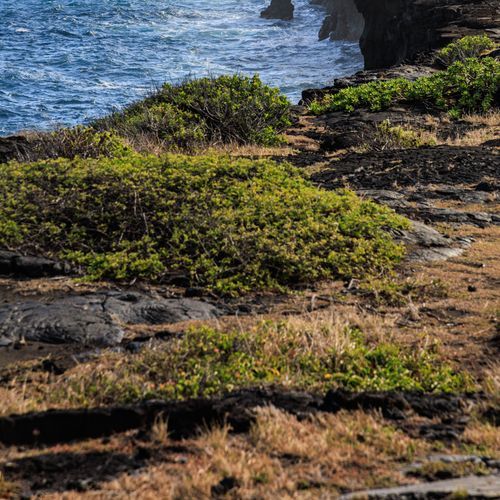
Chain of Craters Road drops toward the ocean, passing craters left by past eruptions. The coastal plain at its far end tends to be hot, dry and windy, and showers can roll through. Bring a hat, sunscreen and more water than you expect to drink.
The wet season runs from November through March, and more rain falls during those months. From April to October the air is usually drier, though the summit may still bring chill and showers.
For hikes on the coast and at lower elevations, carry about four quarts or liters of water per person each day, and pack food even for short walks. A map, a first aid kit, a flashlight with spare batteries and an emergency whistle are worth packing too. Rain gear, such as a poncho, helps most higher up and in the rain forest.
The Mauna Loa backcountry cabins need extra planning. The Red Hill cabin has eight bunks, and the summit cabin has twelve. Both have catchment tanks, so ask about current water levels when you get your permit, and treat all water before drinking. Bring all the drinking water you need, because the trailhead has none. The drive from Kīlauea Visitor Center takes about an hour on a one-lane paved road, and you must carry out everything you bring in.