Hawaiʻi Volcanoes National Park guide · 2 min read
Watching the Halemaʻumaʻu Eruption Safely
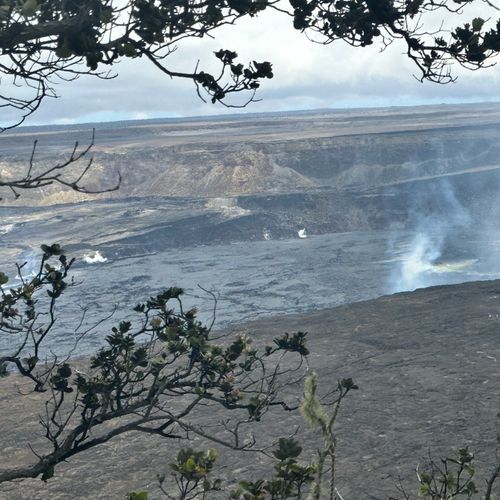
Halemaʻumaʻu is the crater inside the Kīlauea caldera where the current eruption takes place.
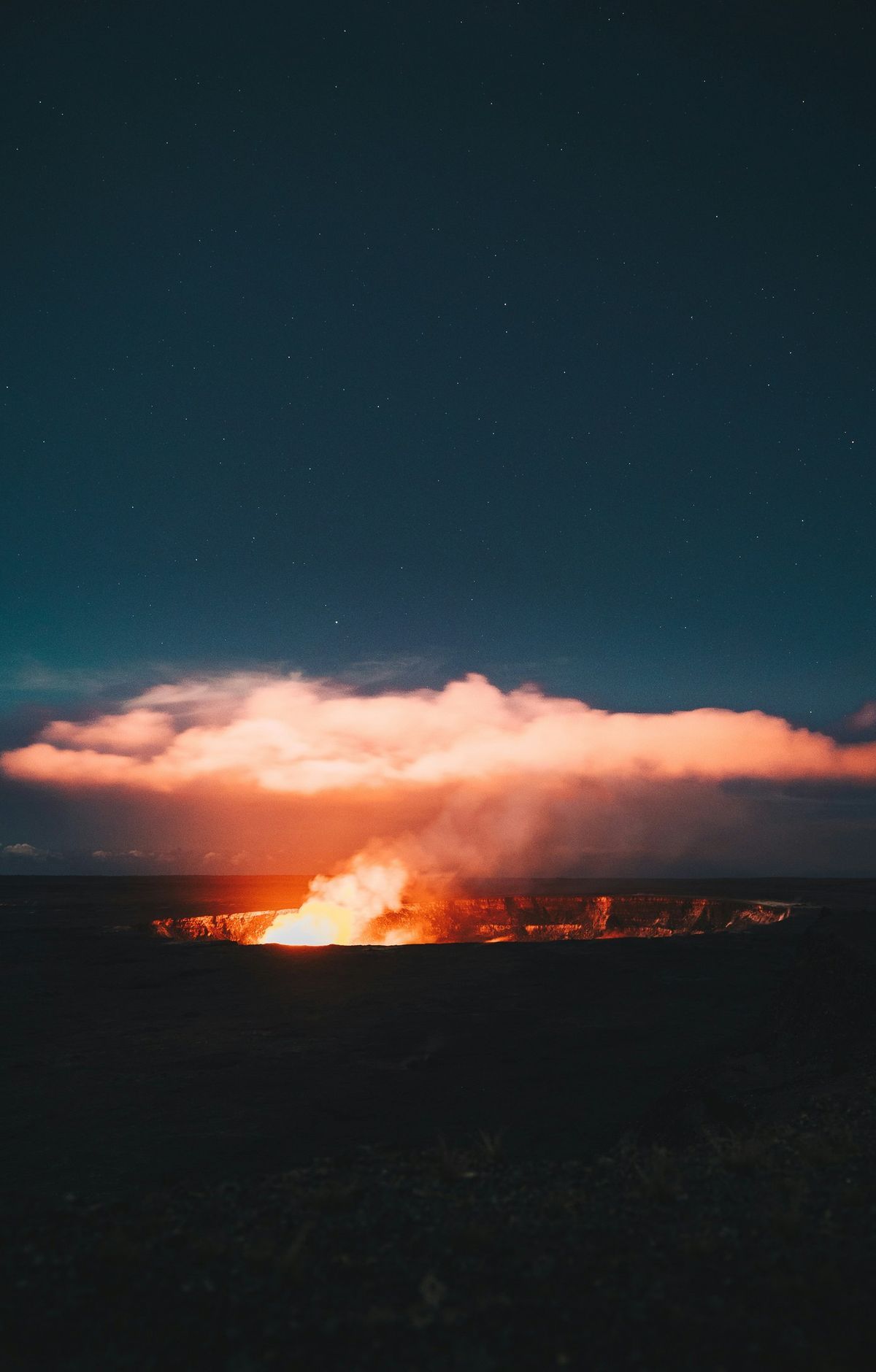
When the volcano is active, you may see lava spurting upward, molten rock moving across the crater floor, and a bright glow, especially after dark. Eruptions come in episodes, with pauses that can last several days or more. A single eruption may end after only a few hours, and fog or rain can block the view, so stay flexible.
Crater Rim Drive has several overlooks where the eruption can be seen. The park suggests beginning at Uēkahuna and moving clockwise around the loop. Uēkahuna and Kīlauea Overlook at Kūkamāhuākea, also called the Steam Vents, usually have more open parking and are reached from Crater Rim Drive West. Kīlauea Overlook can get busy, so pick a backup stop in advance.
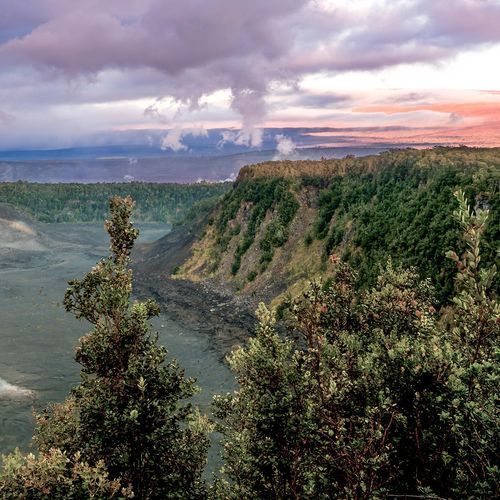
Kūpinaʻi Pali is the quieter choice and sits farthest from the eruption. Its wide views across the caldera offer a chance at near solitude. Reach it by taking Crater Rim Drive West from the entrance station, parking nearby and walking about half a mile along Crater Rim Trail. Arriving early in the day helps you avoid the evening crowds at Devastation and Kīlauea Overlook.
Before you go, look at the webcams and the latest volcano update, since conditions shift quickly. Respect rope lines and hazard signs, which mark spots with volcanic fumes, sudden collapses and hidden cracks. Check air quality during your visit too. Keep your car in designated parking areas and keep emergency routes and traffic lanes clear, or it may be towed.
Bring a headlamp for evening visits, sturdy shoes, warm layers and a rain jacket, since the weather can be cool, windy and rainy. Kīlauea holds sites that have mattered to Native Hawaiians for centuries, so watch quietly and learn why the land is important to them.