Hawaiʻi Volcanoes National Park guide · 2 min read
Pele and the Volcanoes' Sacred Hawaiian Meaning
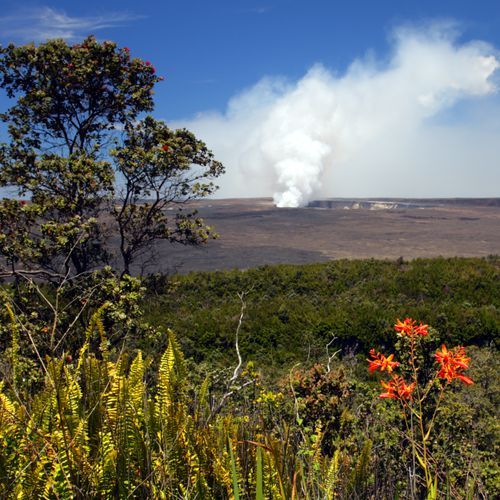
Pele is the Hawaiian goddess of volcanoes, and many Native Hawaiians regard the volcano here as a sacred place and her home.
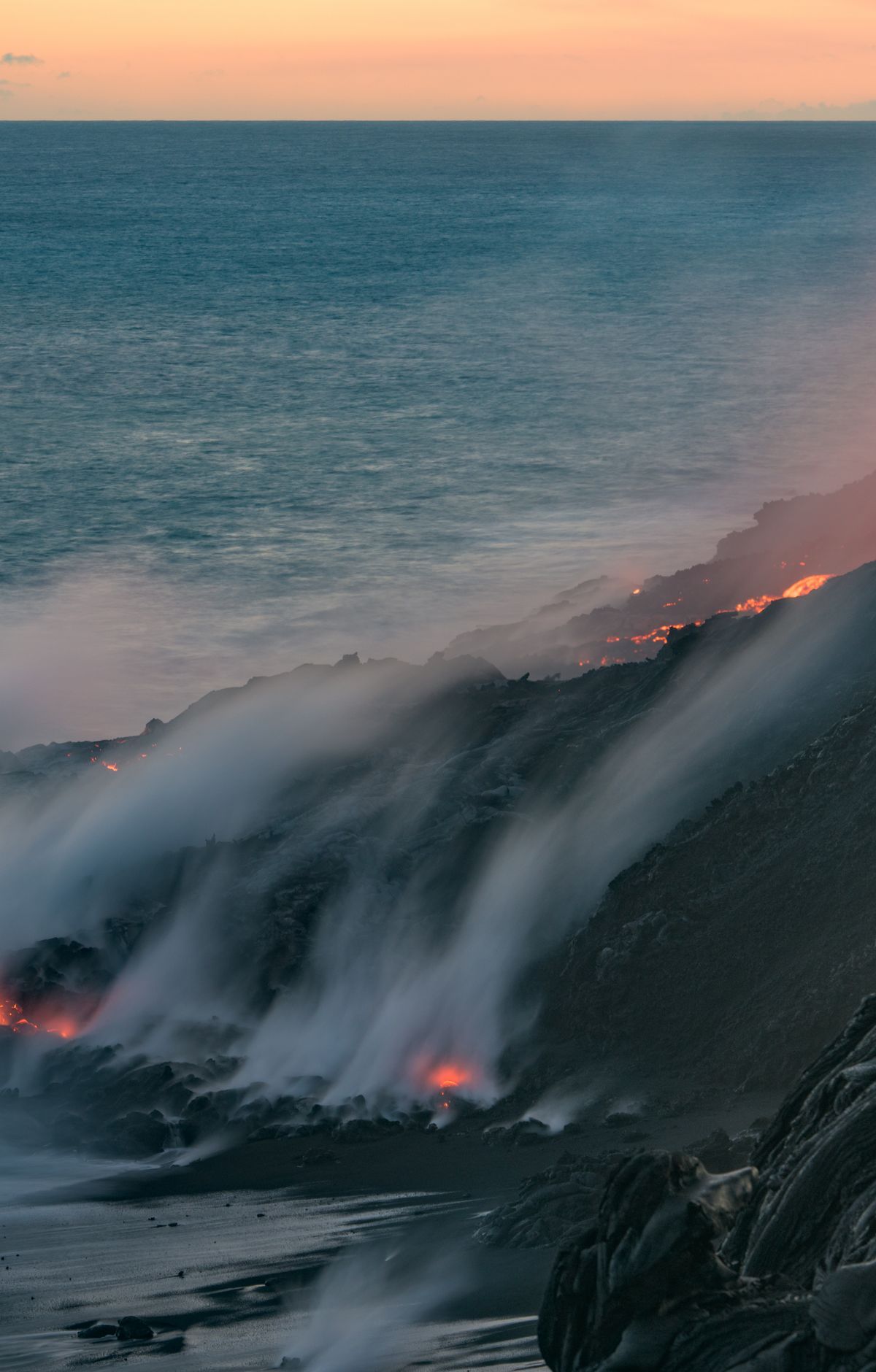
You will likely hear her name during a visit, and the park's wider story of her includes names such as Pele's hair and Pele's tears.
Removing lava rock, sand, stones or other natural items from the park is against the law. Taking them from the islands is also frowned upon, for spiritual, ethical and ecological reasons. Some people say carrying volcanic rock home brings misfortune, which they blame on Pele's anger, but this is a legend rather than a rule. Leave every rock and natural item where you find it, and take photographs home instead.
Around 1929, D. Howard Hitchcock painted Pele as the goddess of fire, lightning, wind and volcanoes. His son Harvey gave the canvas to the park in 1966, and it hung in the visitor center until 2005. Critics complained that the goddess appeared Caucasian in it.
In 2003 the Volcano Art Center ran a contest for a new image of the goddess, meant to be more authentic. Native Hawaiian elders, judging anonymously, picked Puna artist Arthur Johnsen's entry out of 140 submissions. In his version she has Polynesian features and grips an ʻōʻō, or digging stick, in her left hand, while her right cradles the egg from which her younger sister Hiʻiaka was born. Johnsen's painting took the Hitchcock's place in 2005.
Native Hawaiian culture lives on in the park through interpretive rangers, who learn and pass on ceremonies, history, language and crafts. Rangers also teach how to make the kākoʻi, a canoe-making tool, and ipu heke ʻole, gourd drums played for hula. The Kanaka Maoli, the indigenous people of Hawaiʻi, follow pono, a principle that says you should leave alone whatever is not yours, lava rock included. When Kīlauea erupts, they see it as a sign that the land is sacred and being reborn.