Hawaiʻi Volcanoes National Park guide · 1 min read
Puʻuloa Petroglyphs
Puʻuloa means hill of long life in Hawaiian, and the site holds approximately 23,000 petroglyphs, known as kiʻi pōhaku, or images carved in stone.
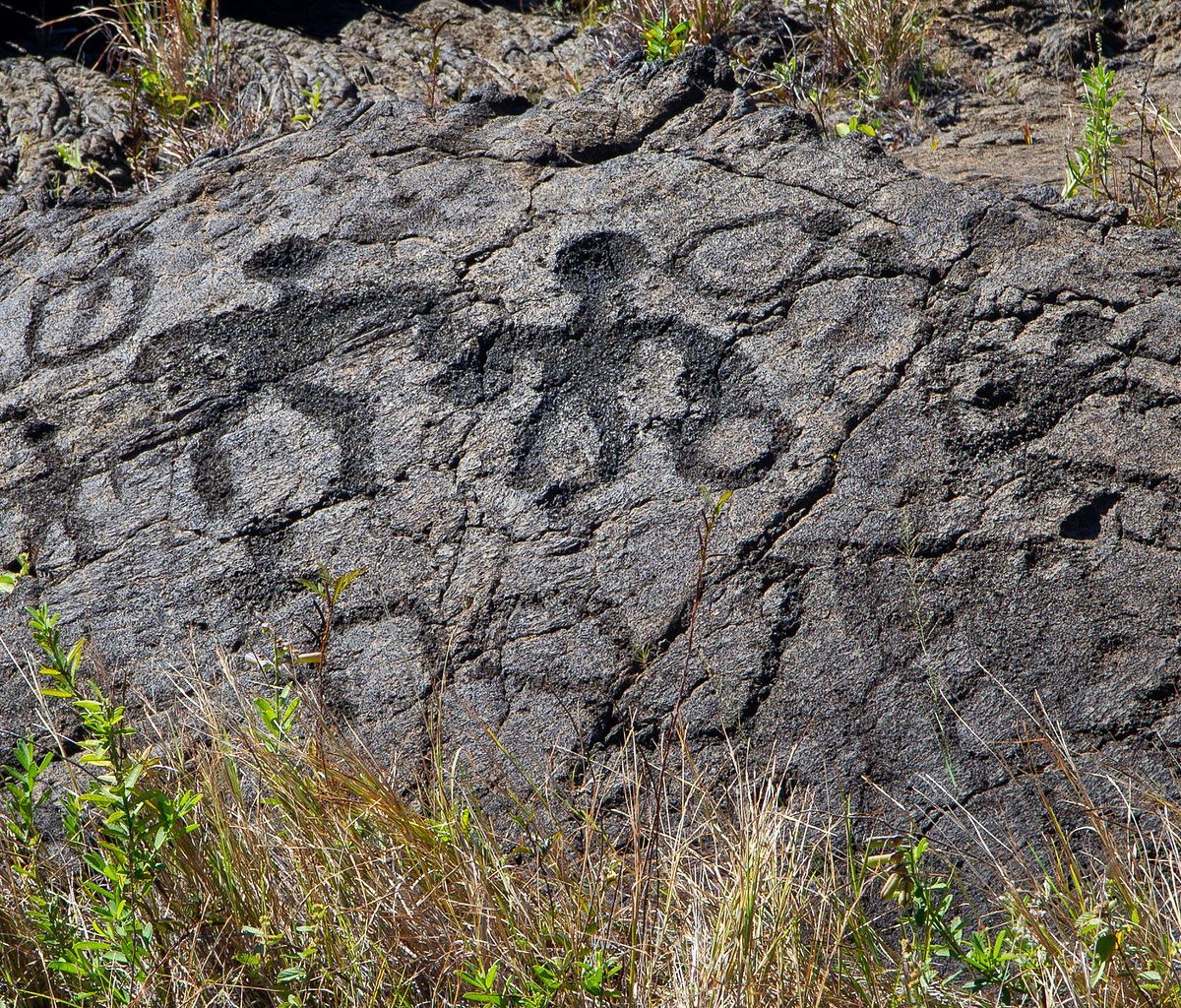
Through these carvings, visitors can learn about the daily life and beliefs of Native Hawaiians, and the site remains sacred to them. Few petroglyph sites anywhere in Hawaiʻi rival its size.
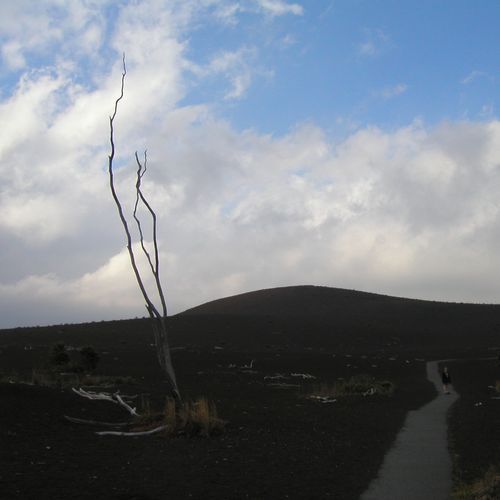
Hiking the Puʻuloa Petroglyphs Trail is how you reach the carvings. The moderate walk covers 1.4 miles round trip and takes about one to one and a half hours. You set out from the Puʻuloa parking area on Chain of Craters Road and cross a lava field that is 500 to 550 years old, mostly on a dirt path cut through the lava. Pack water, food, a hat, sunscreen and rain gear, since conditions here can swing from hot and dry to wet and windy.
A boardwalk viewing platform loops past a number of the best carvings, and staying on it helps keep the fragile rock intact. Walking on the lava itself can break apart the images. Off the boardwalk, watch your footing, since the field has deep cracks, uneven ground and razor-sharp rock. Look for the poho, the cup-like hollows in the stone that held the piko, or umbilical cord, of children, placed there in hopes of a long and prosperous life.
Hikers who want more can continue on the Puna Coast Trail, which covers 6.6 miles from the Puʻuloa trailhead to ʻĀpua Point on the south-facing shore. Most of that distance crosses smooth pāhoehoe lava. ʻĀpua has no drinking water, so plan on carrying at least four quarts or liters per person each day.