Hawaiʻi Volcanoes National Park guide · 1 min read
Kahuku Unit: Ranching History and Puʻu o Lokuana
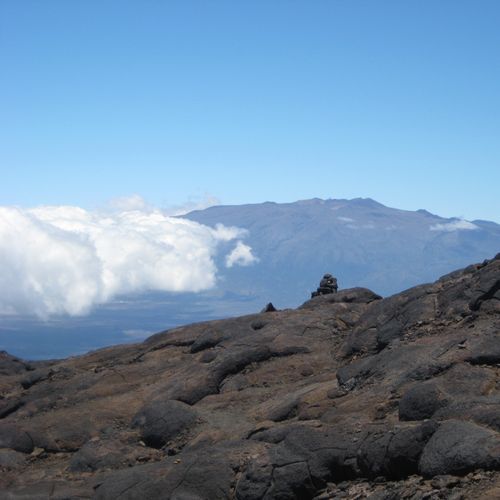
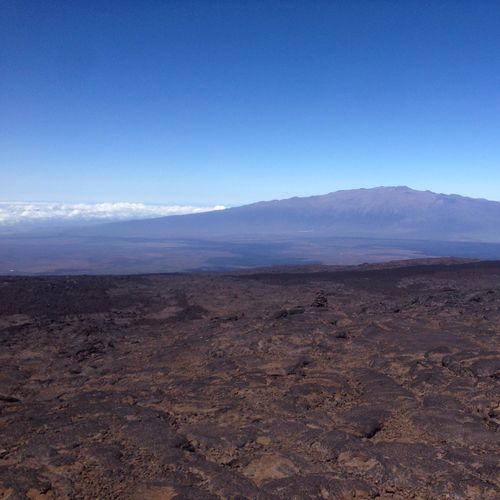
Kahuku Ranch sits on the slopes of Mauna Loa, west of Kīlauea Caldera, and today forms the Kahuku Unit of Hawaiʻi Volcanoes National Park.
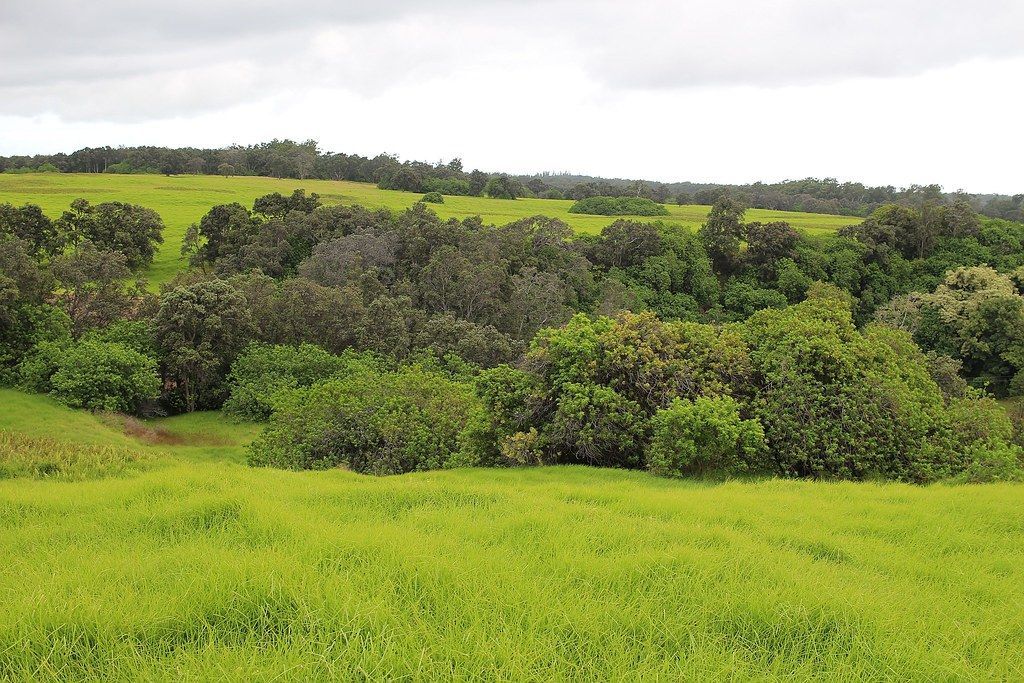
For more than 150 years, ranching here produced beef and hides, and at one point it was among the largest ranches in Hawaiʻi. Hawaiians used the same ground long before that, collecting materials and visiting sacred sites.
King Kamehameha received cattle as a present in 1793. With no one tending them, the animals wandered freely and harmed the local ecosystem, so cattle herders from Mexico, known as vaqueros, were brought in during the 1830s to bring them under control. Hawaiian cowboys called paniolo later managed livestock on the large ranches across the island, Kahuku among them. The ranch kept operating into the 1900s. In 2003, the Nature Conservancy helped the National Park Service buy the land, which became part of the park so it could be protected.
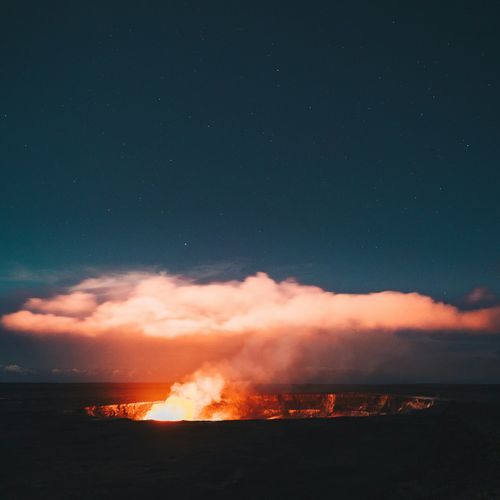
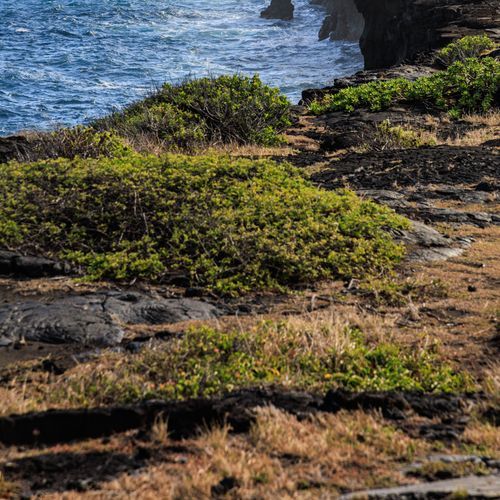
In 1868, lava from Mauna Loa reached Kahuku. The eruption is counted among the deadliest disasters in Hawaiian history. Walls and mounds built to feed the people of Kaʻū still stand across the unit as the Kaʻū Field System. Today the land is a mix of green hills and pasture over red volcanic soil, shaped by people and by volcanoes alike.
Day hikers can choose from a small number of trails in the Kahuku Unit, and most run between half a mile and seven miles. Ranger hikes to Puʻu o Lokuana are listed on the Kahuku Unit calendar, so check there for upcoming dates. For the latest details, look at the National Park Service website before you go.