Hot Springs National Park guide · 1 min read
Storms, Humidity and Tornado Season
Severe weather can happen at any time of year in Hot Springs National Park. A bright, still morning can give way to rough weather with almost no warning.
Downpours and lightning show up often in spring and summer. Tornado risk peaks in spring, so keep watching the sky and the forecast through those months.
Lightning calls for planning ahead when you are outdoors. Nowhere outside is truly protected once lightning is in the area, so keep an eye on clouds piling up overhead and arrange outings so you can reach your car fast if a storm moves in. When thunder rings out, head back to the trailhead without delay. Stands of trees about the same height offer more shelter from lightning than open meadows do.
Summers here are hot and humid. Highs most often land in the 80s or 90s, though they can climb into triple digits, and humidity runs from 70 to 90 percent in July and August. Heat index values can reach about 110 degrees. The park's humid subtropical climate means muggy air is part of the summer experience, so pack a generous supply of water for hot days.
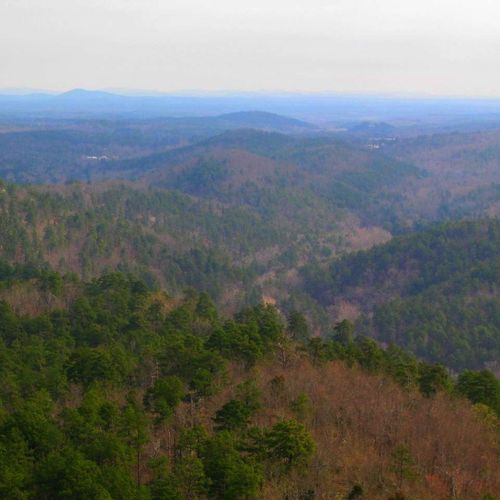
Hiking is a main way to explore the park, which has 26 miles of hiking trails. Check the forecast and current conditions before you head out, because a mild morning can change quickly. If storms approach while you are on the trail, leave the ridges and open ground behind. A route that gets you back to your car quickly, along with a full water bottle, will make the outing more pleasant.
Bathhouse Row is a good option when you want to stay close to town. The row is lined with historic bathhouses, and you can also go shopping there. It makes a change of pace from the trails.