Joshua Tree National Park guide · 2 min read
Joshua Trees: The Park's Seussian Namesake
Scientifically called Yucca brevifolia, the Joshua tree belongs to the agave family and gives Joshua Tree National Park its name.
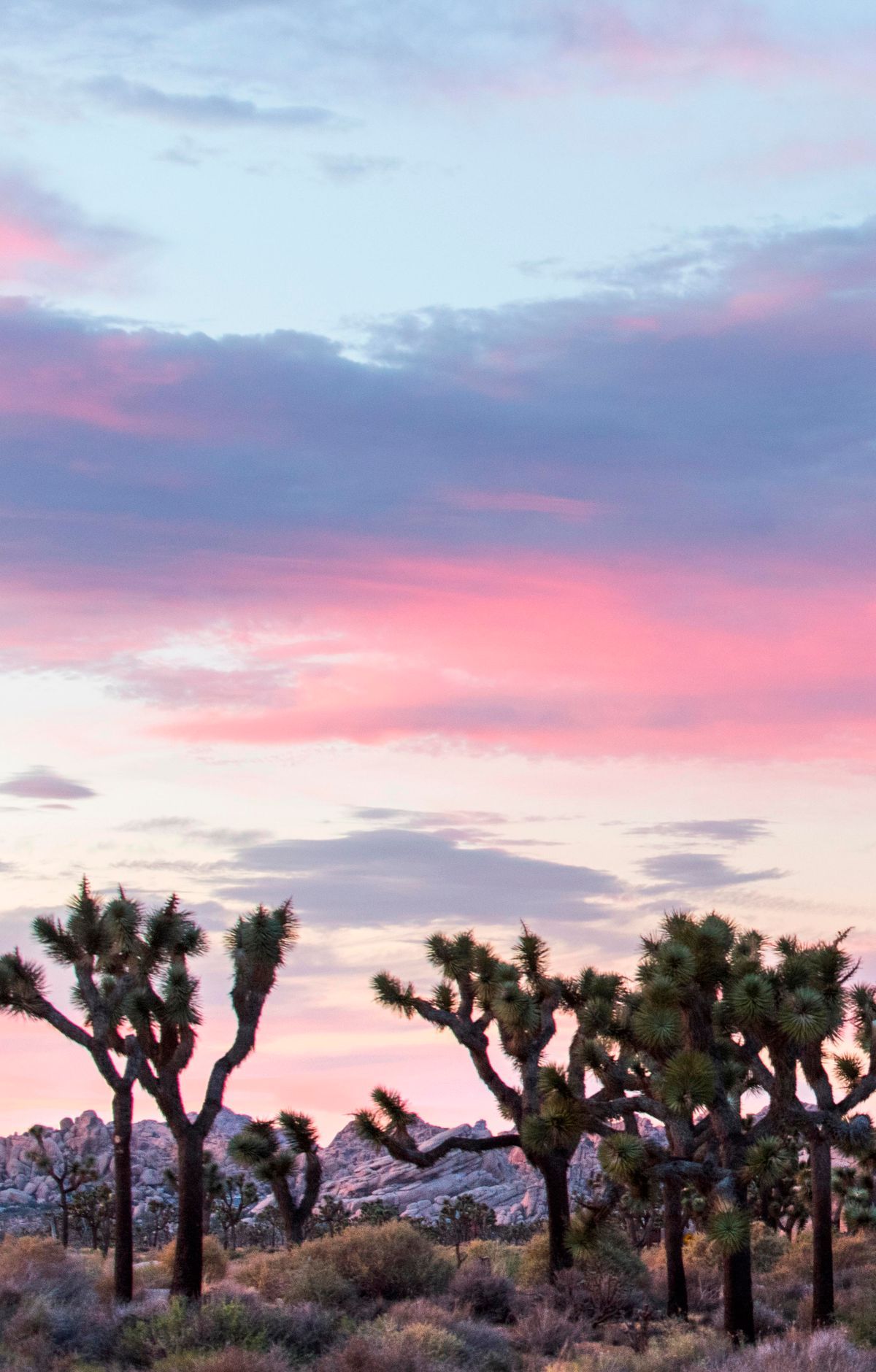
These spiky plants shape the landscape's signature look. Their odd, whimsical shapes have led many visitors to compare them to the trees in a classic children's book. Some people think they may even have inspired the Truffula trees in The Lorax.
The park covers nearly 800,000 acres where two deserts meet. The Mojave, which sits at higher elevation and runs cooler, is where the Joshua tree thrives, and its groves range from thick stands to scattered single plants. At around 4,000 feet, the Mojave can feel quite chilly in winter. The Colorado Desert lies on the lower eastern side, with cholla cactus, ocotillo and grasslands.
The park's name is reported to trace back to a band of Mormon travelers who crossed the Mojave Desert in the mid-19th century. To them, the branches resembled the Biblical figure Joshua with his arms raised toward the sky.
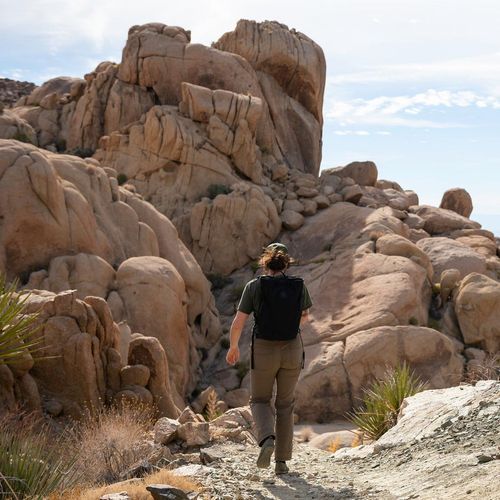
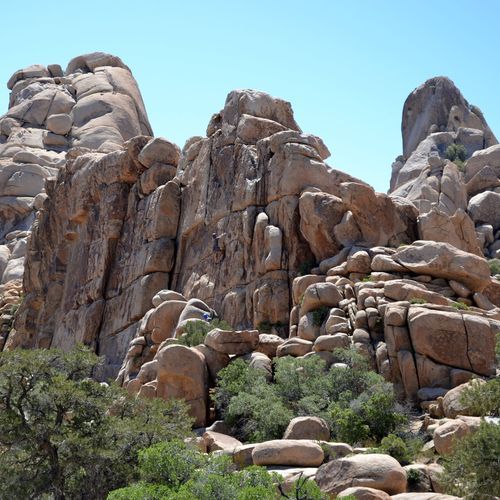
Joshua trees also offer shelter and food to desert animals, including reptiles, birds, mammals and insects. In the western part of the park, bare rock hills, usually split into loose boulders, attract rock climbers and scramblers. Skull Rock is among these formations, and together with the trees, the boulders give the landscape an otherworldly feel.
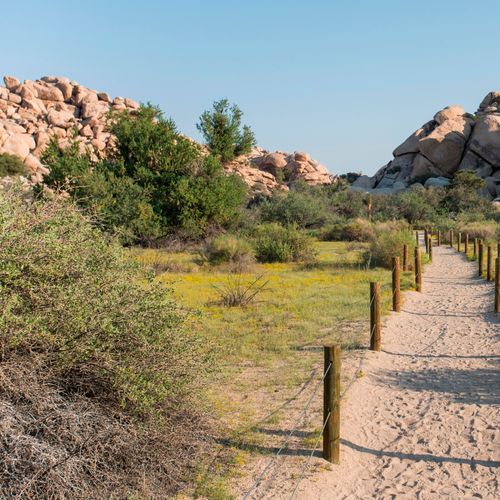
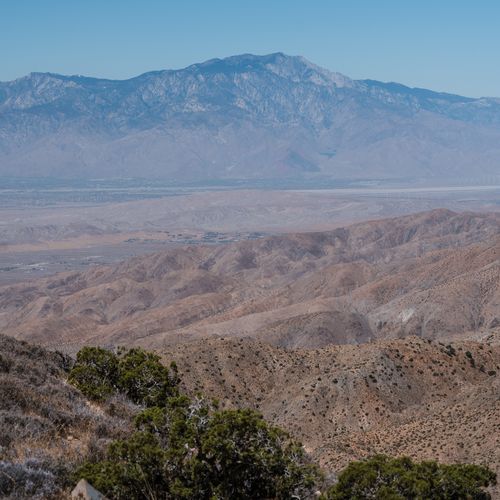
Seeing the Joshua trees up close is a popular way to spend time in the park. Visitors can walk the park's many trails, and the tallest peaks offer a wide view across the desert. The park's profile rose sharply when U2 released its best-selling album The Joshua Tree. The tree on the album cover stood about 200 miles to the northwest, closer to Death Valley, and it has since fallen. Even so, it still holds special meaning for the band's fans.