
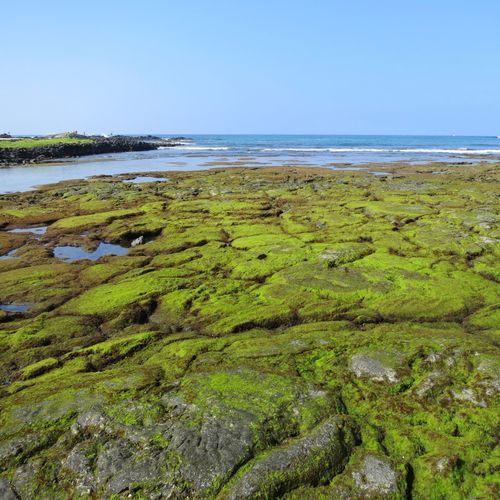
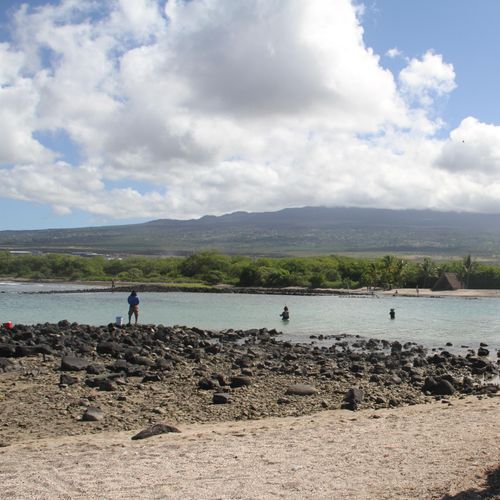
Welcome to Kaloko-Honokōhau National Historical Park, a place along the Kona coast on Hawaiʻi Island where the land still holds stories of the people who lived here for centuries. The park lies about three miles north of Kailua-Kona, in the Kona District, and covers 1,161 acres. This guide offers a quick look at what the park protects and how you can visit.
The park exists to protect and share the traditional practices, values and culture of Native Hawaiian people, and to show how the land was used in the past. It also protects an archaeological site recognized as a National Historic Landmark. The park is still being developed.
Walking the trails here means following routes that people have used for centuries. Along part of the Ala Kahakai National Historic Trail, you will find ancient heiau alongside old house platforms. On the Mamalahoa Trail, you can follow the route donkeys once took, loaded with produce bound for market. Hiking these historic trails lets you see the park's past up close.
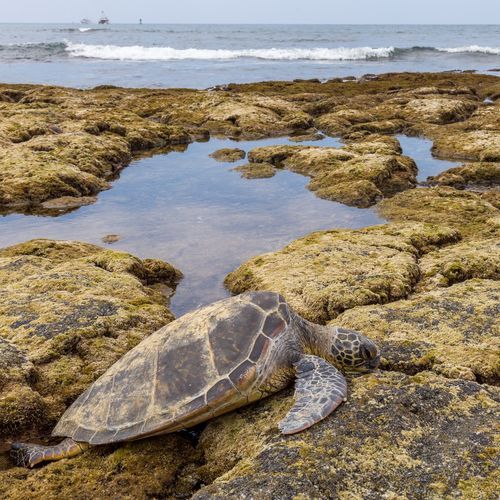
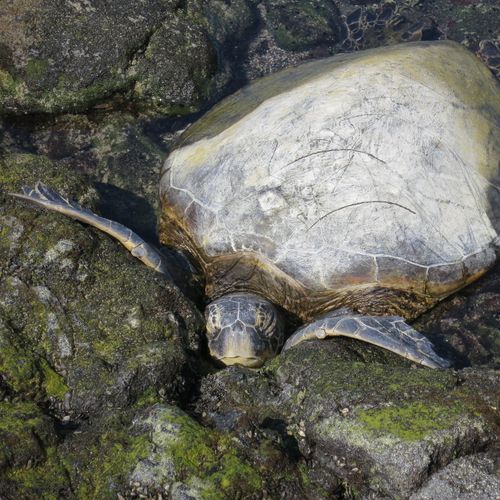
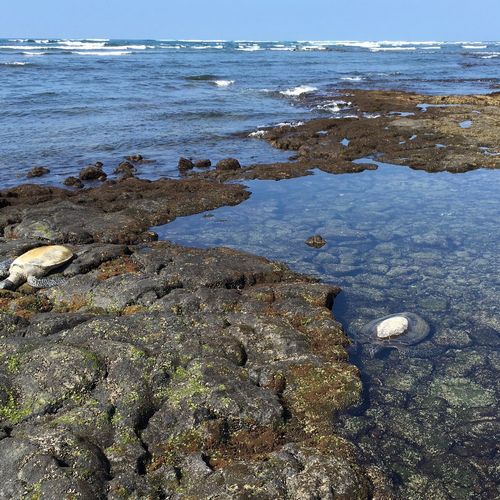
The shoreline is a place to explore on foot. Crouch by the tide pools and see which creatures call them home, and check the lava bench for more. Keep an eye out for birds and turtles, and with some luck you might spot a monk seal.
The coast is hot and sunny, and many areas are open to the sun with little shade. Wear sturdy hiking shoes, and pack sunscreen, sunglasses, a hat and your own water, since the park itself offers none. Stop at Hale Ho'okipa, the visitor center, which sits half a mile north of Honokōhau Harbor. Since the park covers a wide area and has several entrances, your own vehicle is the practical choice, as public transit is limited here.
Kaloko-Honokōhau National Historical Park
Hawaii · 5 trails · 3 areas
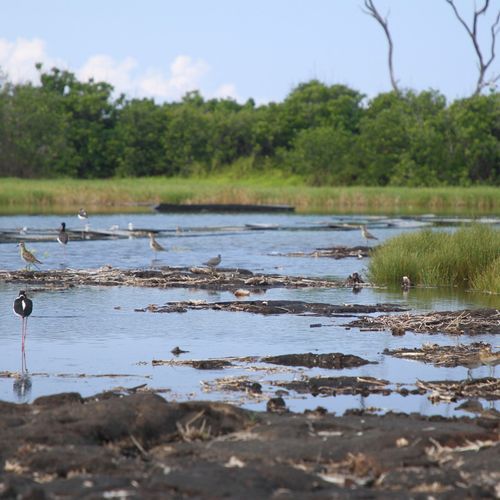
Along the Kona coast of Hawaiʻi Island, this historical park protects traditional native Hawaiian culture and the land use patterns that supported it. Its fishponds, including Kaloko Fishpond and the wetland of ʻAimakapā Fishpond, show how people once raised fish along the shore. Visitors can hike historic trails such as the Ala Kahakai, where ancient heiau and house platforms still stand. At ʻAimakapā, keep an eye out for endangered native waterbirds like the ae'o and ʻalae keʻokeʻo. Honokōhau Beach, a strip of white coral sand, sits against the black lava. Start at the Hale Hoʻokipa Visitor Center, and bring plenty of water, since there is none in the park.
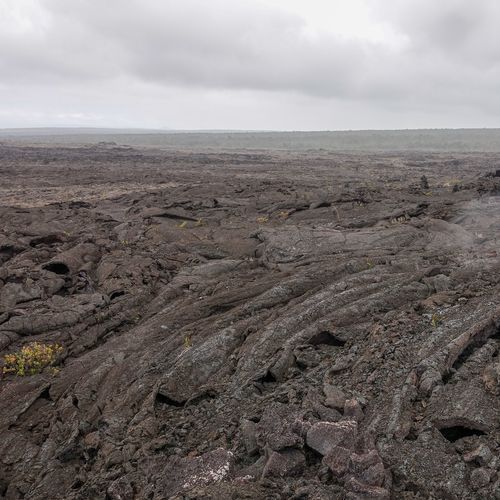
Ala Mauka Makai
0.7 mi
Ala Huʻehuʻe
0.7 mi
Kiʻi Pōhaku Boardwalk
0.1 mi
Māmalahoa Trail
2.0 mi
Visitor Centers
About the Park
Park Areas
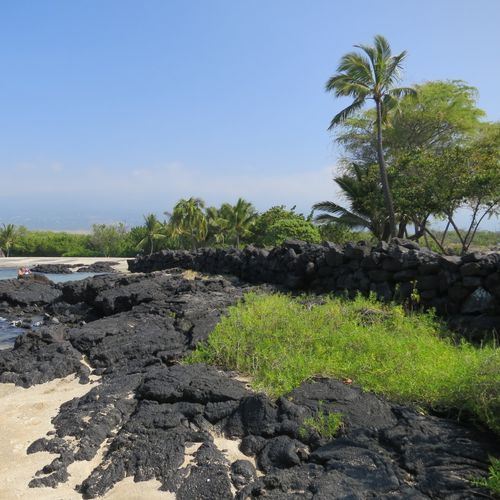
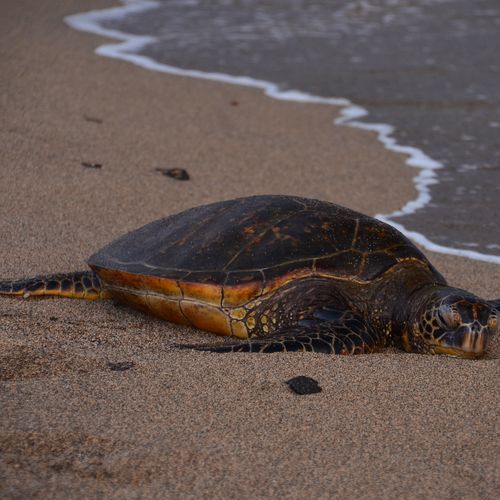
Honokōhau Beach & ʻAiʻōpio Fishtrap sit on the park's south side, about a five-minute walk from the south entrance, which drivers reach through Honokōhau Boat Harbor. White coral sand runs up against dark lava here, and an ancient heiau rises at the far end of the beach. Visitors swim along this shore, where honu, the local sea turtles, graze on algae and rest on the sand. Give them at least 20 feet of space.
ʻAiʻōpio, a pond closed off by a stone wall, is the only fishtrap on Hawaiʻi Island. Small gaps in its stone wall let young fish slip in from the sea, and once they grew they could be caught with nets. House platforms, stone slides and petroglyphs from the old settlement lie close by, and the level Kiʻi Pōhaku Boardwalk covers about a tenth of a mile.
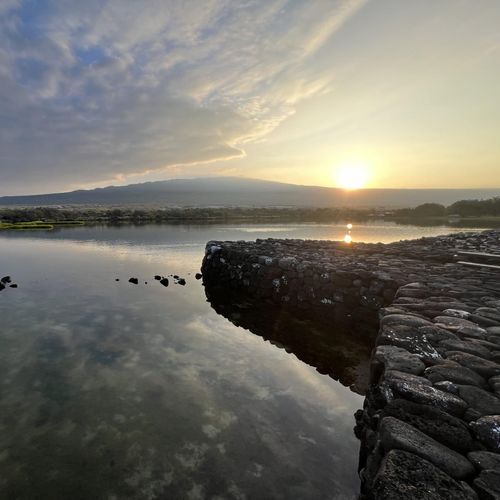
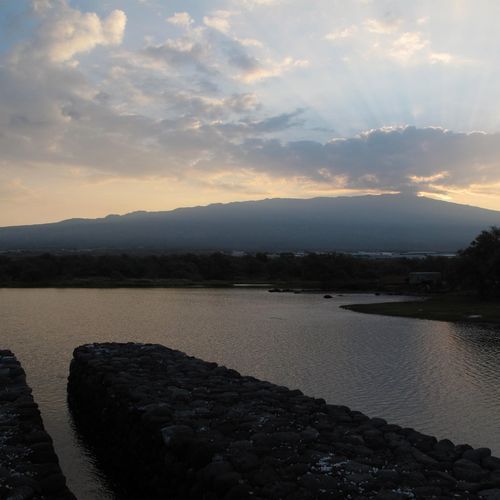
Kaloko Fishpond, the park's northern area, has the largest retaining fishpond wall in Hawaii. The kuapā was built of water-worn lava stones fitted together with no mortar, and it extends from two points to keep the surf out of the pond. King Kamehameha I favored this pond. Tides move water through two ʻauwai channels, a mākāhā sluice gate regulates it, and volunteers are working on its restoration. The Kaloko Road Entrance leads straight to a small shoreline picnic area, and the nearby Ala Kahakai Coastal Trail runs 1.4 miles one way with about 10 feet of climbing.
Hale Hoʻokipa & ʻAimakapā Fishpond hold the middle of the park. Hale Hoʻokipa Visitor Center, just off the highway, is where hikers set out on trails crossing the lava to the shore. Behind the beach, ʻAimakapā forms the biggest natural pond and wetland system on the Kona Coast, shaped by Native Hawaiians for raising fish until the 1950s. Spring water and tidal seawater mix here, home to the endangered Hawaiian stilt and Hawaiian coot, with migratory waterfowl staying through winter. A bird identification guide helps with naming species, and replanting is underway where invasive plants once grew.