Kobuk Valley National Park guide · 1 min read
Kobuk Locoweed and the Freezing Wood Frog
The Kobuk locoweed, known scientifically as Oxytropis kobukensis, is a small flowering plant that grows only within Kobuk Valley National Park.
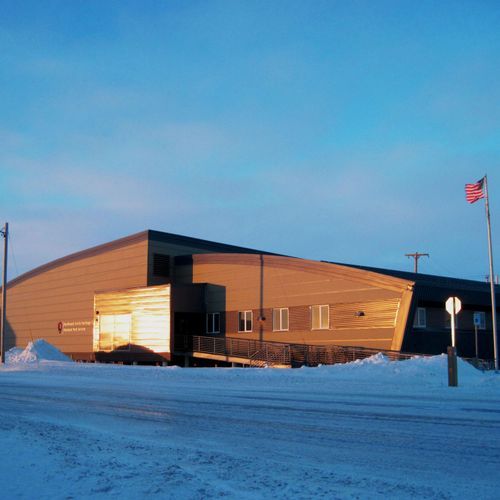
It belongs to the pea family, and its blossoms have the shape many people associate with pea and bean flowers. The plant's flowers add pink tones to the sand dunes. To look for it, stop in at the Northwest Arctic Heritage Center in Kotzebue, the nearest city to the park, and ask how to find it.
The park's only amphibian is the wood frog. This small, cold-blooded animal gets through the harsh winters by letting its body freeze solid, then it thaws and becomes active again in spring. Its winter survival depends on this freezing and thawing cycle.
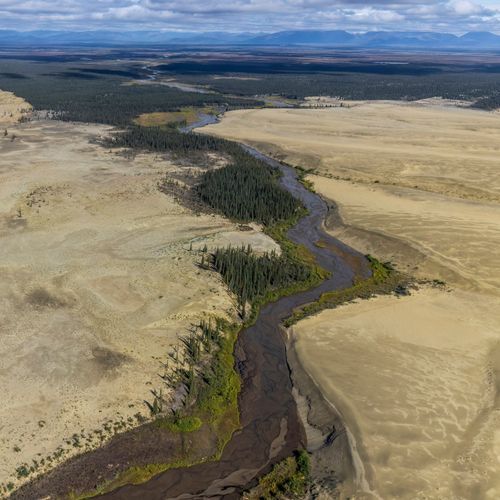
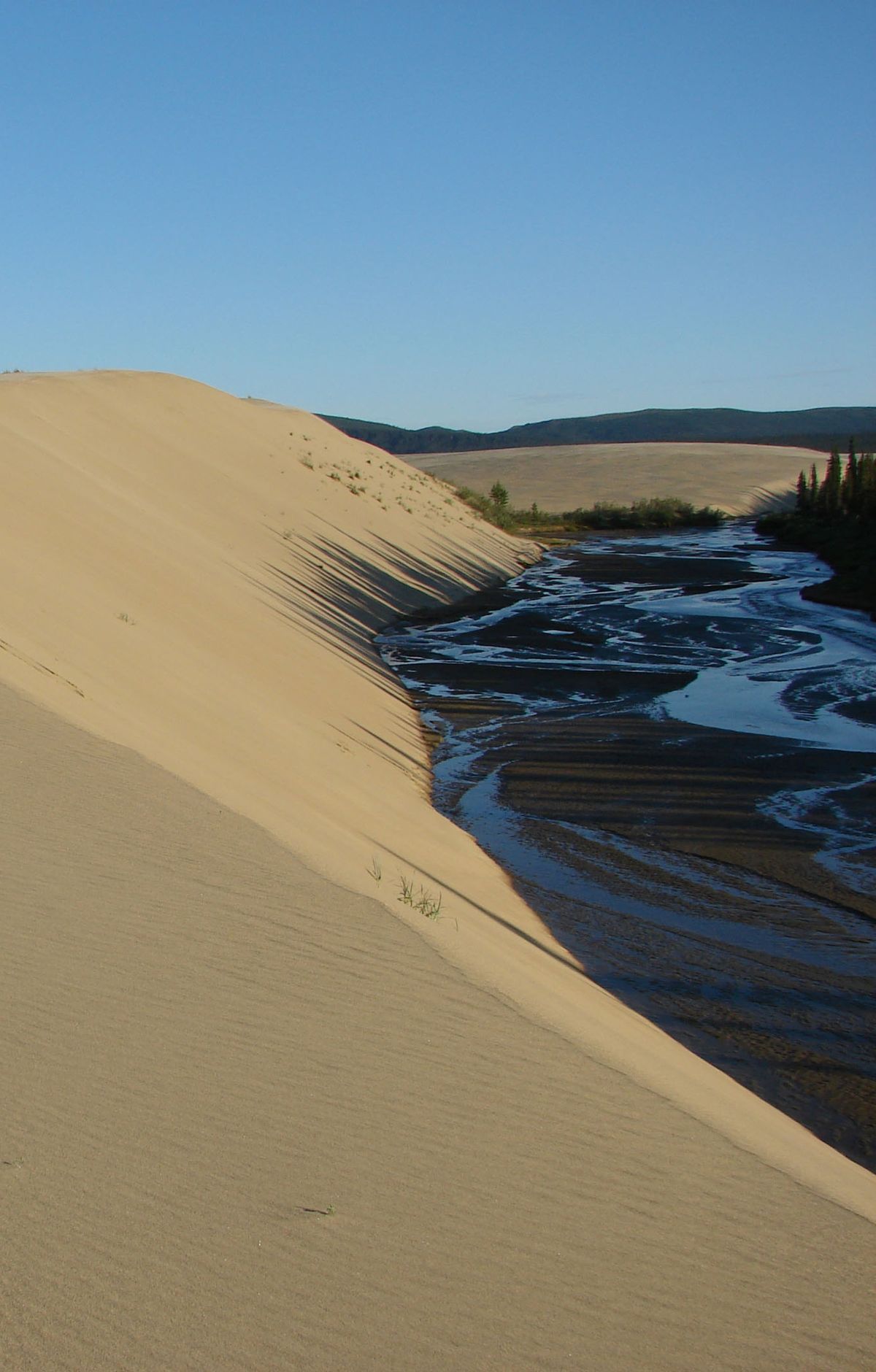
The Great Kobuk Sand Dunes rise about 100 feet, and black spruce trees grow around their edges. In 1980, the Alaska National Interest Lands Conservation Act established the park, partly to protect the dunes and the land around them, where caribou travel on their migrations. The park straddles the border where boreal forest shades into tundra, so both woodland and open tundra appear within its boundaries.
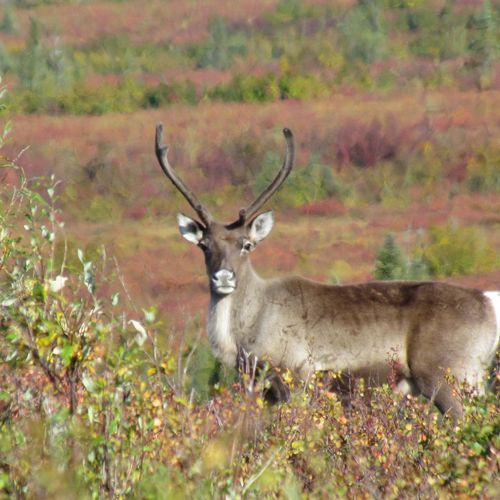
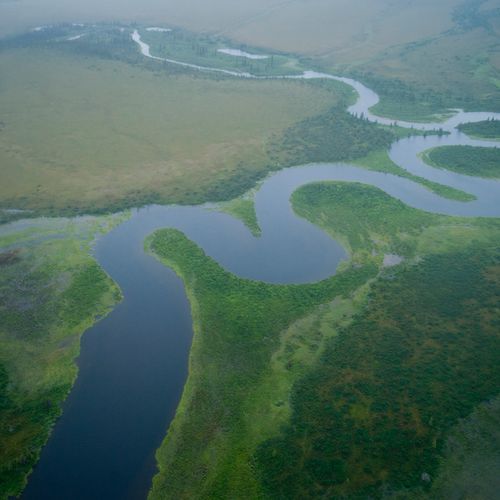
The most visible animals here are caribou of the Western Arctic herd. Each year the herd moves between winter breeding grounds south of the Waring Mountains and summer calving grounds north of the Baird Mountains. Crossing the Kobuk River on this route is central to subsistence hunting for the Inupiaq people. Moose, wolves, and foxes also live in the park, and birds passing through arrive during the summer months.
Wildlife viewing is a good reason to bring binoculars and a camera. Caribou, moose, bears, wolves, and birds are among the animals visitors may see.