Kobuk Valley National Park guide · 1 min read
Onion Portage: 9,000 Years of Caribou Hunting
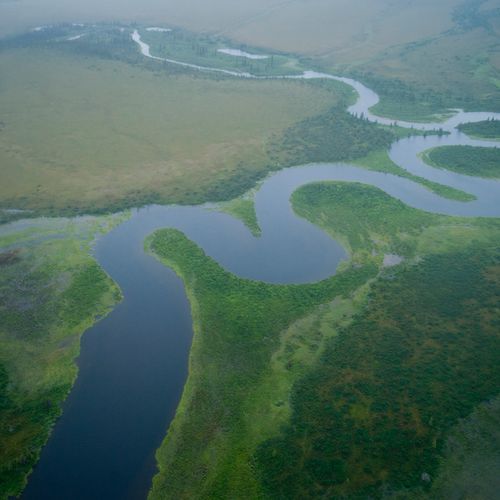
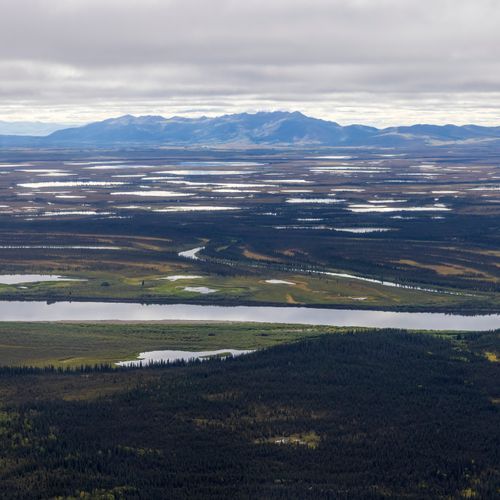
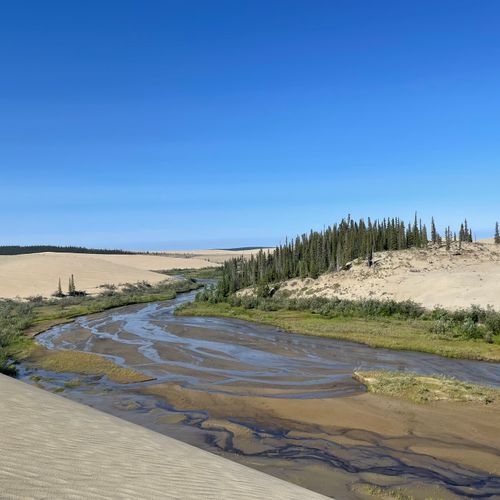
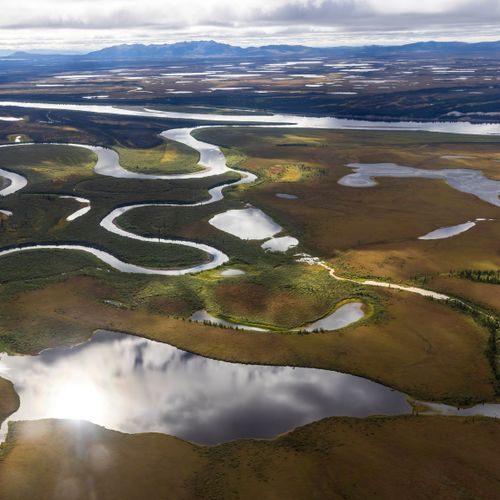
The Onion Portage Archeological District lies on the Kobuk River at the east end of its course through the park.
It holds National Historic Landmark status and documents nine cultural complexes, the record of people who lived and hunted along this stretch of river over thousands of years.
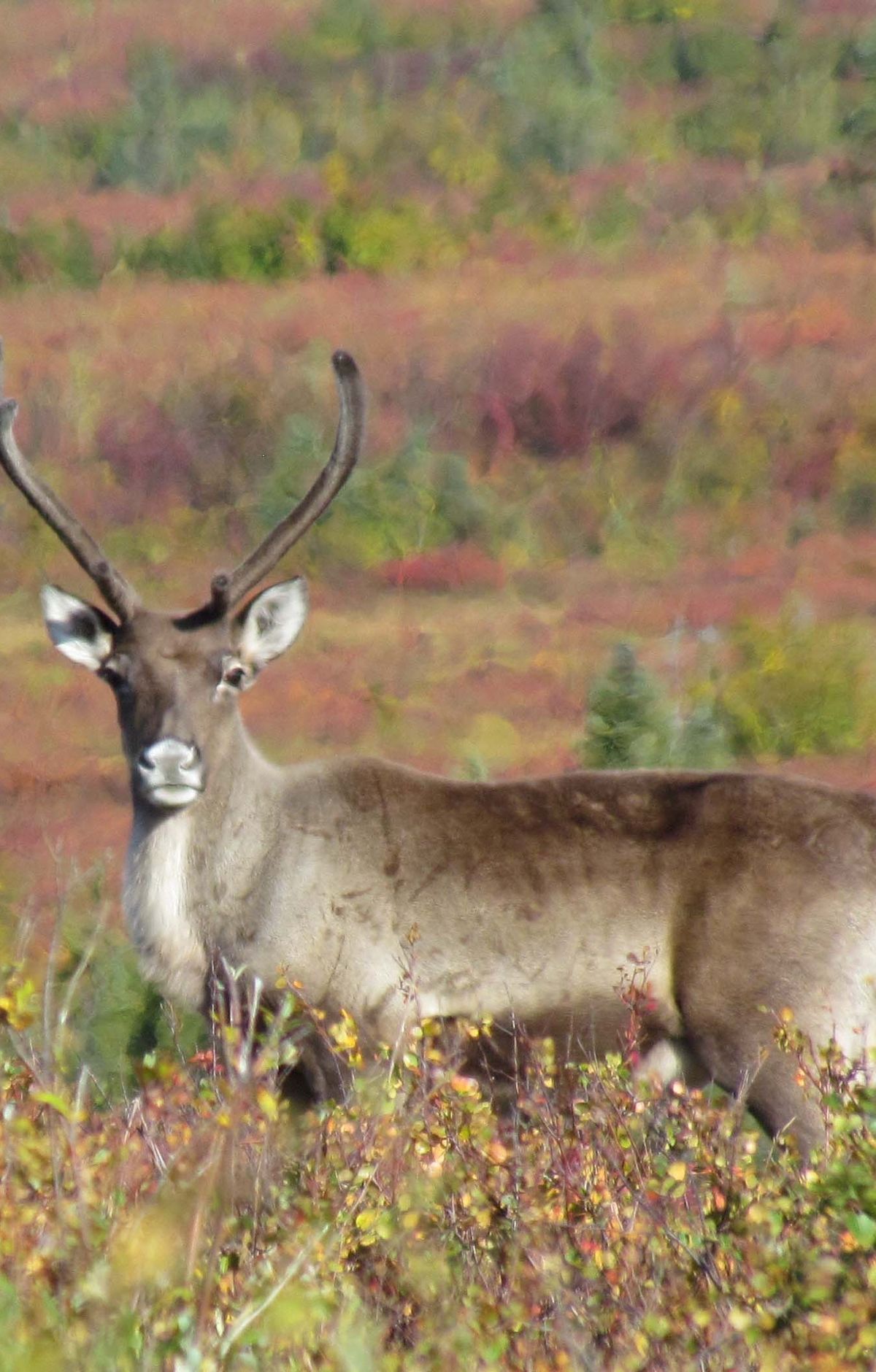
Onion Portage sits at a major caribou river crossing, which is why people kept returning here. For about 9,000 years, hunters gathered to catch caribou as the animals swam the river. The first people in the valley, of the Paleo-Arctic tradition, hunted caribou at this spot.
Over time, people set up camps, made tools, and readied their game here, and eventually settled at Onion Portage. The district also contains the backcountry cabin and cache of archeologist J. Louis Giddings.
The site is an inholding of NANA Regional Corporation, an Alaska Native corporation with rights in the park. The caribou that cross here belong to the Western Arctic herd, which numbers about 400,000 animals. Each year the herd moves between winter breeding grounds south of the Waring Mountains and summer calving grounds north of the Baird Mountains. The river crossing remains a central part of Inupiaq subsistence hunting.
Wildlife viewing is also possible along the Kobuk River, which serves as a corridor for animals as well as people. Bring binoculars and a camera to look for caribou, moose, bears, wolves, and birds. Kayaking brings you close to the water, where you may see caribou swimming the river during their migration.