Kobuk Valley National Park guide · 1 min read
Summer Snow and -50°F Winters
Weather here follows a subarctic pattern, with cool summers and precipitation spread across the year.
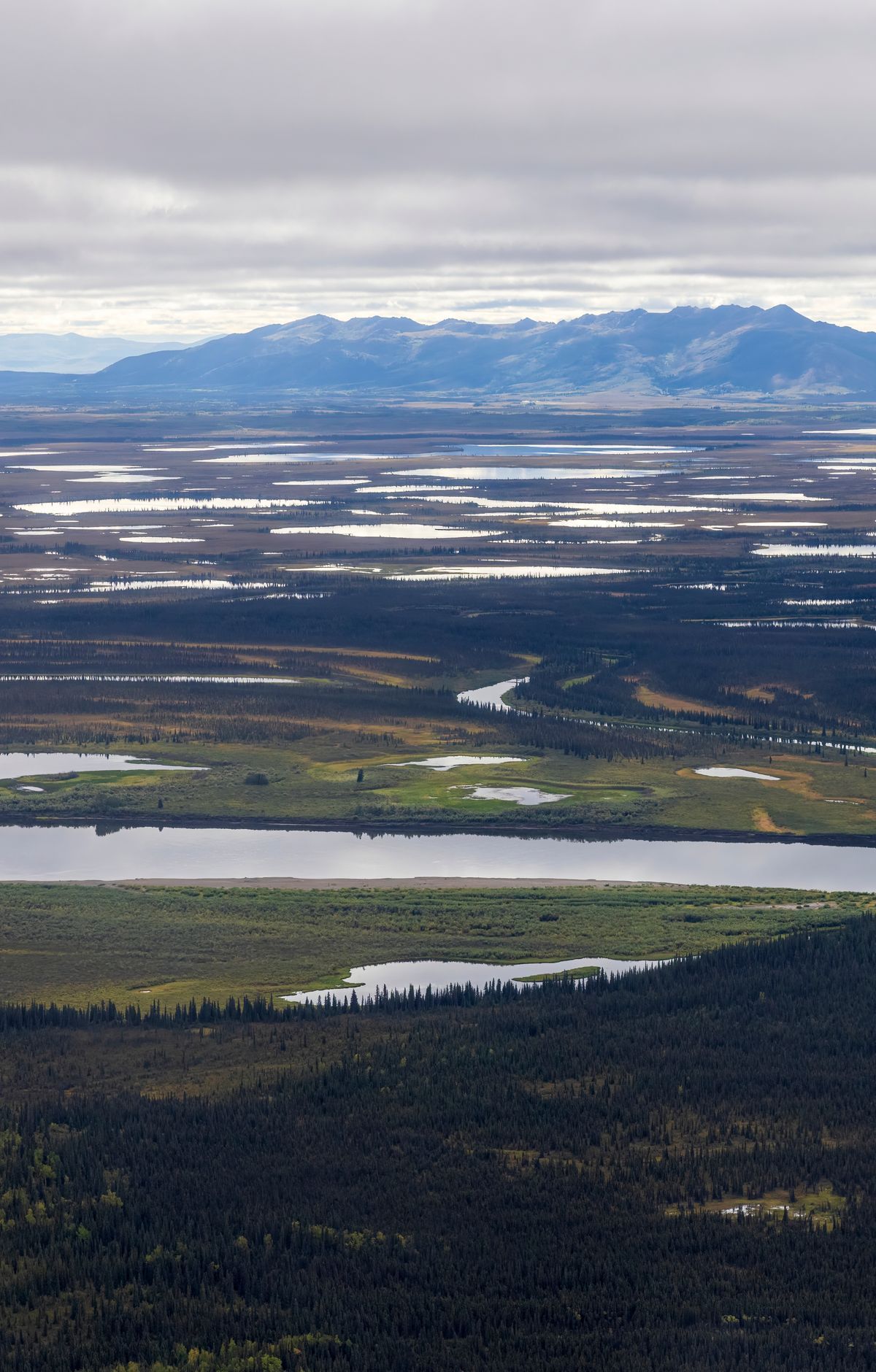
Winter cold runs deep. The average January low is minus 8 degrees, yet nighttime lows can drop to minus 50 degrees. Summer averages sit near 65 degrees, and some days in July climb to 85 degrees.
Summer is not always gentle. Snow and near-freezing weather may show up in any season, and frost can form even in midsummer. Typical winds blow at five to ten miles per hour, but storms can drive them to 20 to 30 miles per hour, pulling the wind chill well down. Conditions can shift fast, so stay flexible.
Exposure and hypothermia are serious risks in every season. Bring good rain gear and clothing you can add or remove in layers, plus sturdy hiking boots and knee-high rubber boots for soggy ground. Staying dry matters most. Hypothermia can creep up on a damp, blustery day even when the cold doesn't feel serious.
Daylight swings widely here. The park lies about 25 miles north of the Arctic Circle, so the sun stays up through a long stretch in early summer. On the winter solstice it clears the horizon for only about an hour and a half, and long twilight surrounds both sunrise and sunset. On many winter evenings the sky can glow with the aurora borealis, which tends to be strongest when solar activity is high.
Winter travel suits people with Arctic survival training who bring their own gear. Once equipped, they can get around by snow machine, on skis, or with a dog team. Visitors in any season can walk through the museum at the Northwest Arctic Heritage Center and talk with a ranger. The park has no roads, campgrounds, or developed facilities, so expect to handle every need yourself.