Kobuk Valley National Park guide · 1 min read
Caribou Crossings Between the Waring and Baird Mountains
The Western Arctic caribou herd makes a yearly migration through Kobuk Valley National Park, and thousands of animals take part.
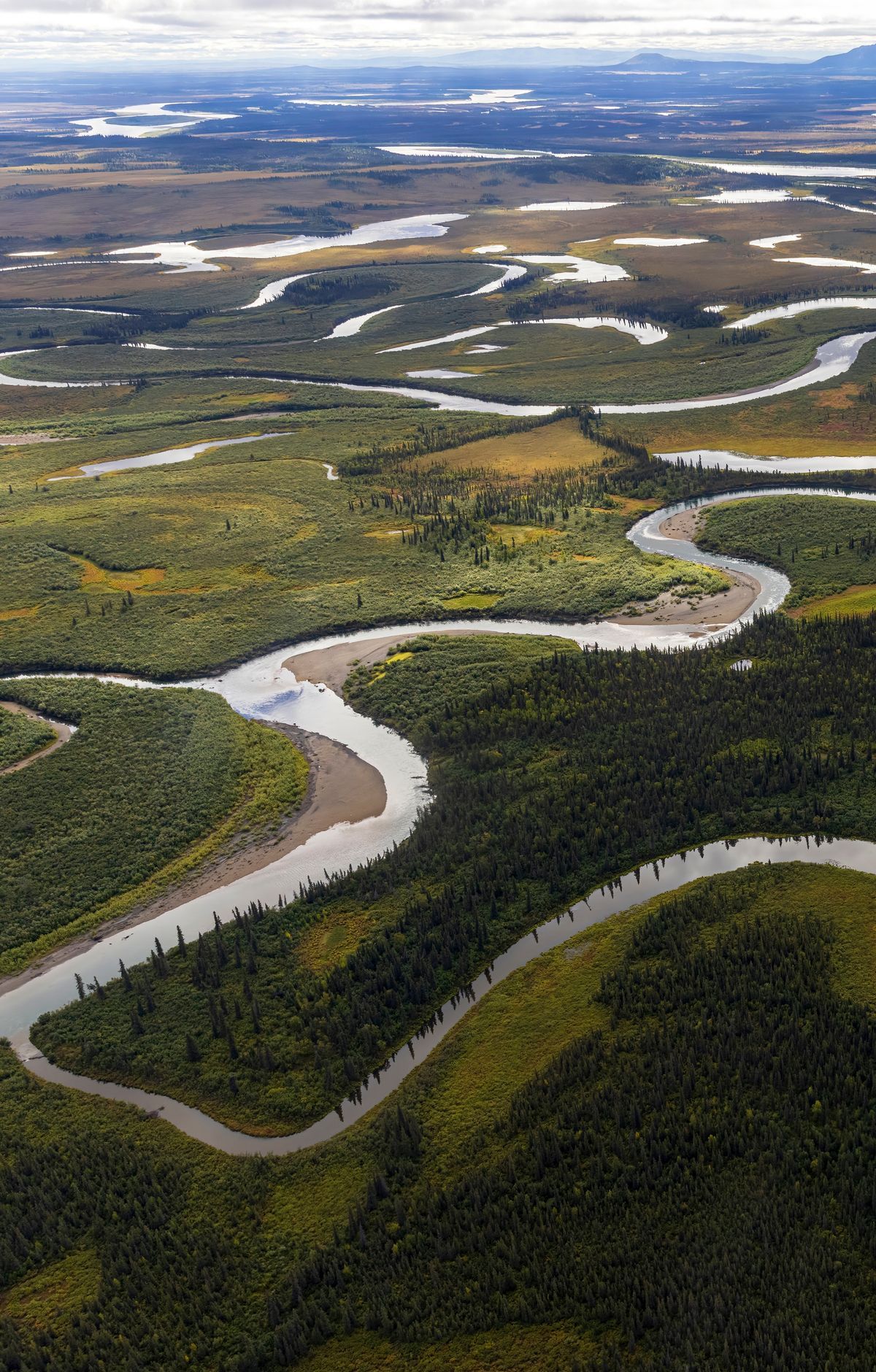
The herd moves between two key areas. In winter it gathers on breeding grounds south of the Waring Mountains, and in summer it reaches calving grounds north of the Baird Mountains. Caribou are the most visible animals in the park.
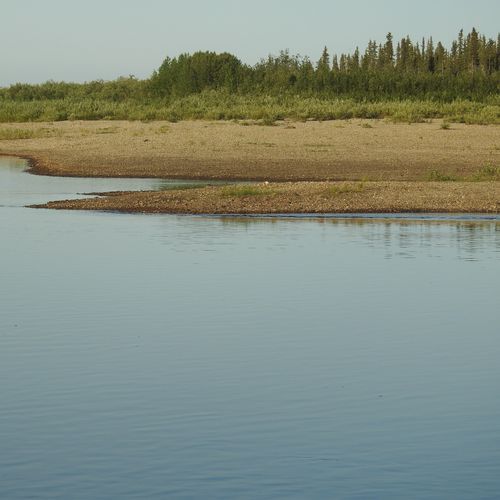
The herd's yearly crossing of the Kobuk River is central to subsistence hunting by Inupiaq people. Visitors can watch caribou swim across the river during the migration. Onion Portage is a bend in the Kobuk where generations of hunters have pursued caribou. Evidence of people at this bend reaches back at least 8,000 years, and the site is now part of the Onion Portage Archeological District National Historic Landmark.
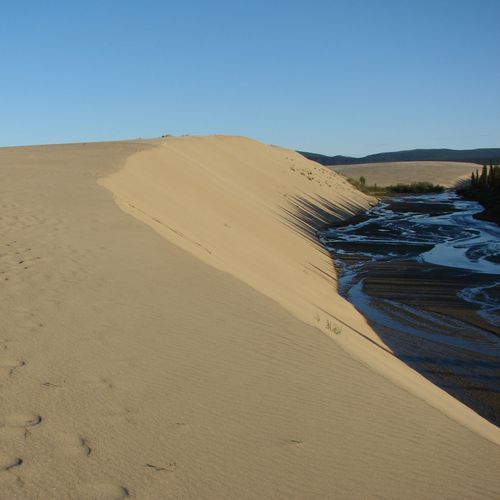
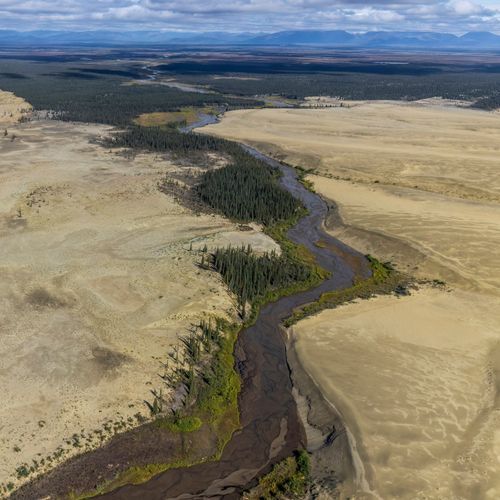
The Great Kobuk Sand Dunes rise about 100 feet and are a well-known place to look out over the park. As the herd travels, its paths cross the sand in a tangle of tracks. Caribou head north across the dunes in summer and south in fall.
Kobuk Valley has no roads, campgrounds or developed facilities, so travelers explore on foot, by boat or by flightseeing trip. The backcountry leaves plenty of room for wildlife viewing and photography, and moose, wolves and foxes also live in the park. The Jade Mountains, which mark the park's eastern border, are reflected in the Kobuk River near Onion Portage.