Lake Clark National Park & Preserve guide · 1 min read
Chigmit Mountains and Glacier-Carved Lakes
The Chigmit Mountains form a link between the Alaska Range and the Aleutian Range. The park and preserve stretch from Cook Inlet across these peaks and reach into Alaska's interior.
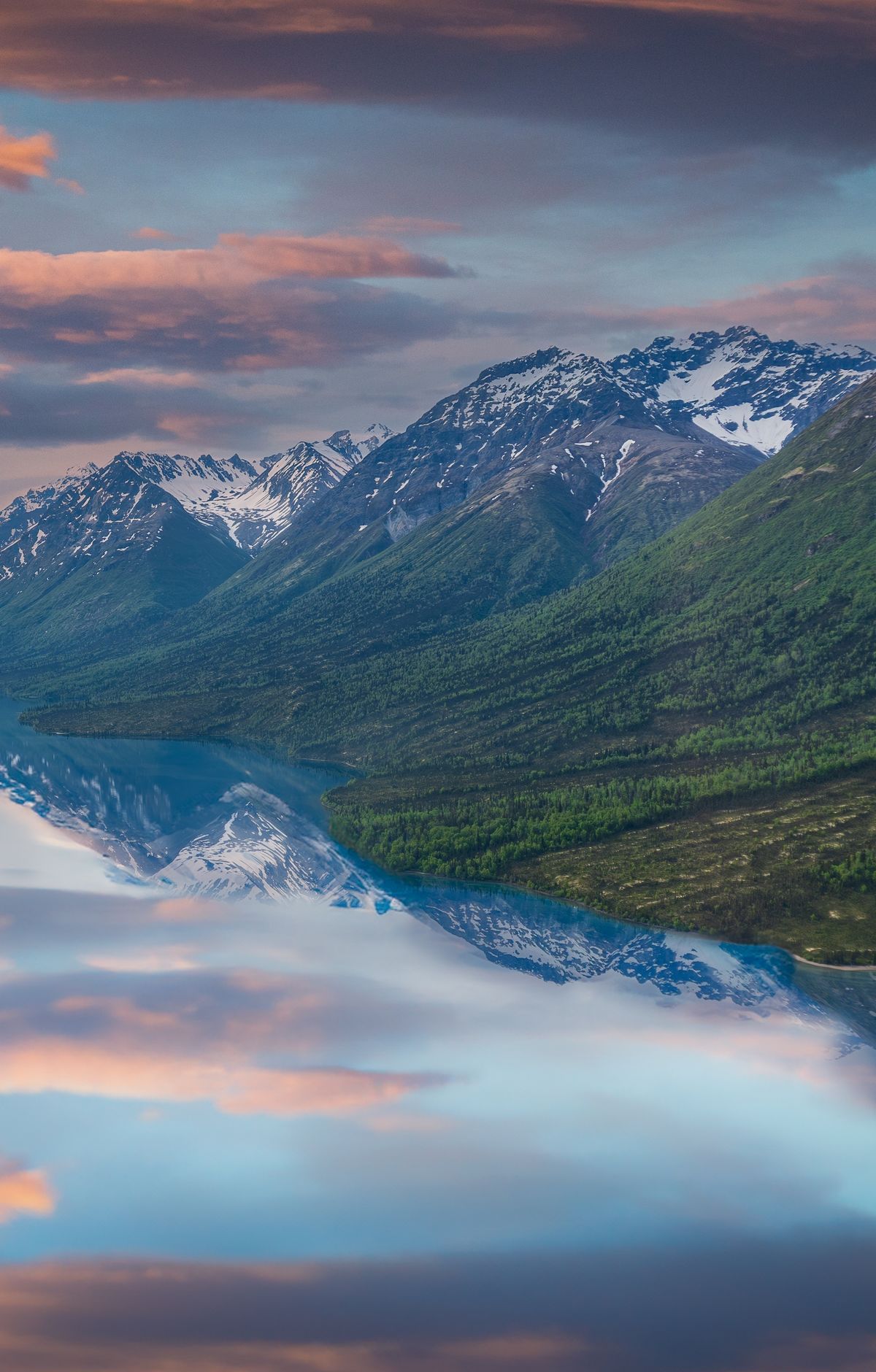
At the heart of the range is a granite mass that was pushed upward when the Pacific Plate collided with the North American Plate. Mount Redoubt and Mount Iliamna, both active volcanoes, rise from the range. Redoubt reaches 10,197 feet and Iliamna 10,016 feet.
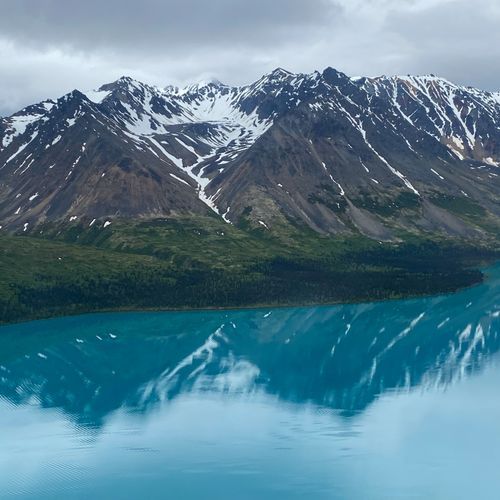
Glaciers have carved cirques and U-shaped valleys into these peaks. On the eastern side, the valleys end abruptly where the steep coast meets the water, opening into deep bays or spreading across flat outwash plains. On the western side, the ice cut deep enough to create lakes. Each lake is dammed at its downstream end by a terminal moraine.
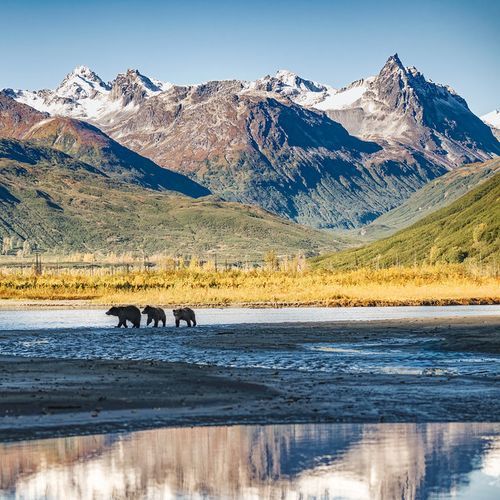
Lake Clark, the largest lake in the park, gives the park its name. It lies in the southwest corner of the park. Crescent Lake sits deep within the Chigmit Mountains and is the park's most visited destination, so expect other people on the shore. Each summer, sockeye and silver salmon run up the Crescent River, and brown and black bears travel the shoreline in search of food.
Ice still covers a large share of the land. Year-round snow and glacial ice blanket about 1,250 square miles, roughly a fifth of the park and preserve.
With no roads into the park, most visitors fly in. Flightseeing offers a direct look at the range. A full-day tour offered by Lake Clark Resort takes in Redoubt and Iliamna and the glaciers of the Chigmit Mountains. On one trip, the pilot landed in Lake Clark Pass so passengers could hike out to a glacier.