Mammoth Cave National Park guide · 1 min read
Old-Growth Forest Remnants and Beech Ravines
Most of the park's forest is second-growth woodland. Scattered through it are small patches of old-growth forest that have seen little disturbance, a type that is uncommon in Kentucky.
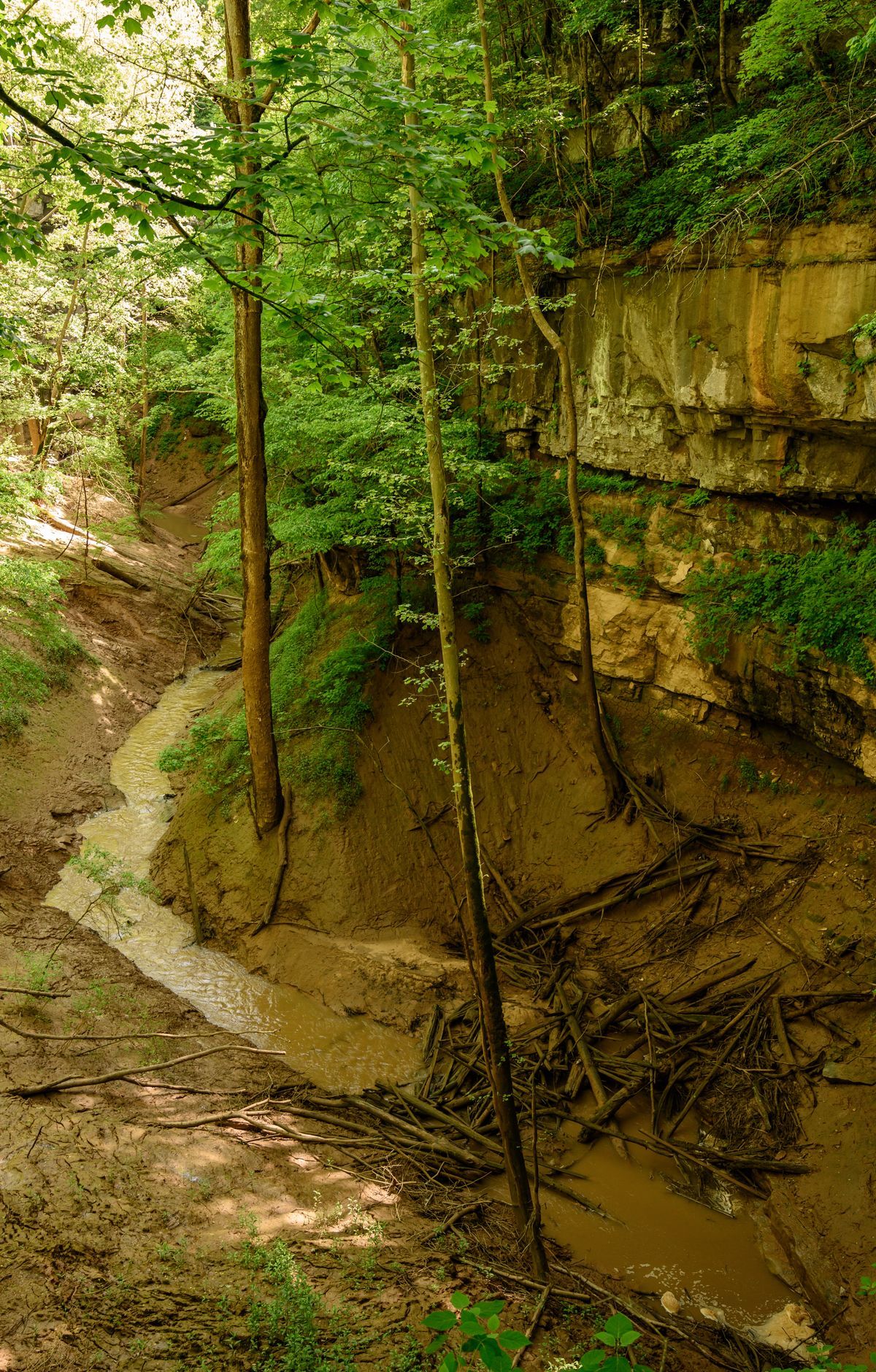
Though small and specialized, wetlands and these old-growth patches support a disproportionate share of the plant and animal variety found in the park and across the state.
The floors of the ravines belong to beech trees, which dominate the flats. As the land climbs toward the lower and middle slopes, yellow poplar and sugar maple grow in among the beeches. The makeup of the woods changes with every step up in elevation.
Near the top of the slopes, white and black oaks lead the canopy, with three hickory species growing among them. Each band of terrain, from the ravine floor up to the upper slopes, supports its own group of trees.
Wildlife is easy to spot along the way. Look for white-tailed deer grazing near roadsides, and expect to see wild turkeys moving in groups. On the trails, squirrels, chipmunks, and raccoons are the mammals you are most likely to spot.
Those wanting a longer trip can head into the backcountry, which spans 37 square miles of ridges, valleys, and river views reached on foot. Walking those routes lets you take in the woods and the river scenery at close range.