Mammoth Cave National Park guide · 1 min read
Visitor Center Trails: Springs, Sinkholes and River Views
The park visitor center sits among 7.2 miles of trails that pass along ridgetops and river views while also reaching sinkholes, cave-fed springs and historic sites.
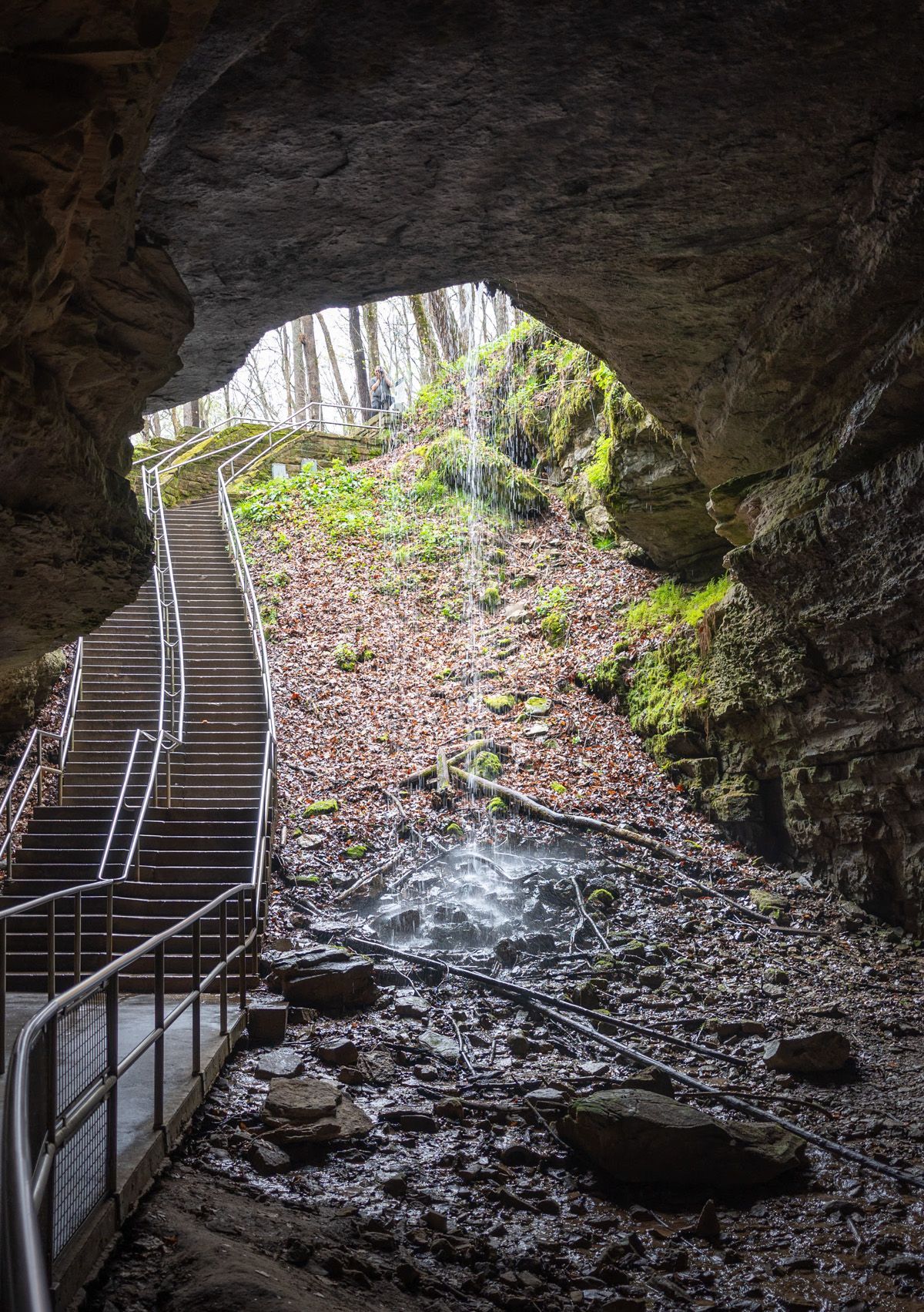
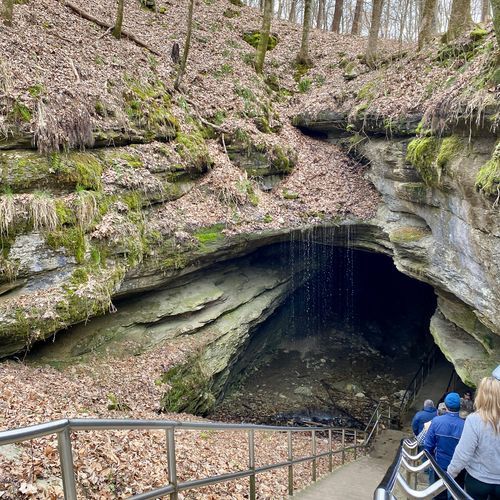
Many of these sights are within a brief stroll of the visitor center, which makes them easy to fit in between a cave tour and a ranger program. The Historic Entrance is a five-minute walk downhill, west of the visitor center and lodge area. A historic train engine sits between the visitor center and the campground.
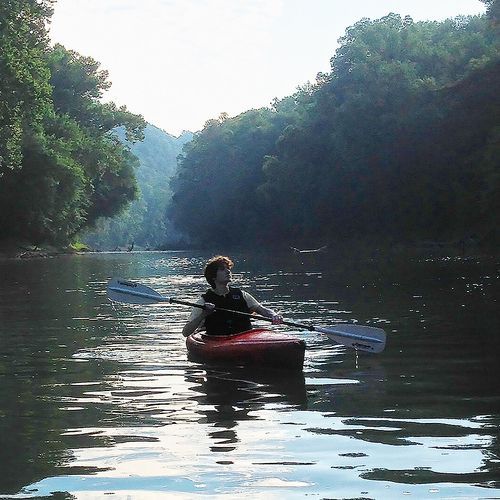
Water runs through much of this network. At the far end of the River Styx Spring Trail, River Styx flows out of the cave and meets the Green River, one mile from the visitor center. The Echo River Spring Trail leads to Echo River, a creek fed by a spring rising from the cave. Cedar Sink is another 45 to 60 minute outing, with rock faces, cave springs and wildflowers in spring, summer and fall.
Sunset Point is a ridgetop walk that takes 30 to 60 minutes. Visitors come to this popular overlook to take in the Green River Valley. Sinkholes also appear along these routes, so you will pass them on foot.
The Mammoth Cave Historic Entrance is the largest natural opening into the cave system. It has served as the main way in for Native Americans, saltpeter miners, cave explorers and travelers from many parts of the world. From the trails you can also see the historic entrance to Dixon Cave. Within the park, Old Guide's Cemetery holds the grave of Stephen Bishop, a famous 19th century African-American cave guide, along with three tuberculosis patients from an 1842 treatment experiment.