Montezuma Castle National Monument guide · 1 min read
Montezuma Well: A Desert Sinkhole Oasis
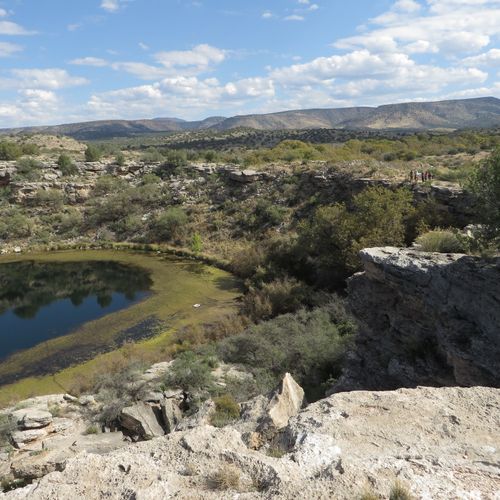
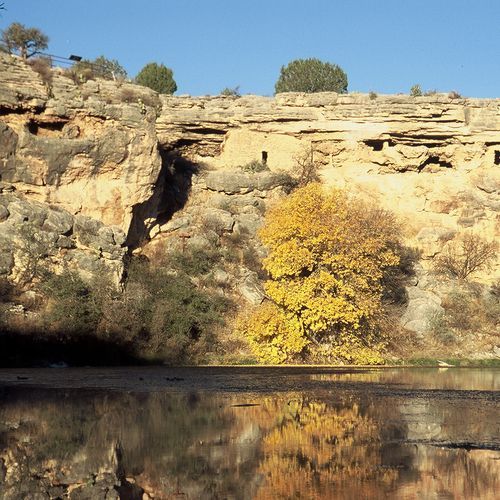
Montezuma Well is a limestone sinkhole about 386 feet across, holding a pond of blue water in country that gets less than 13 inches of rain a year.
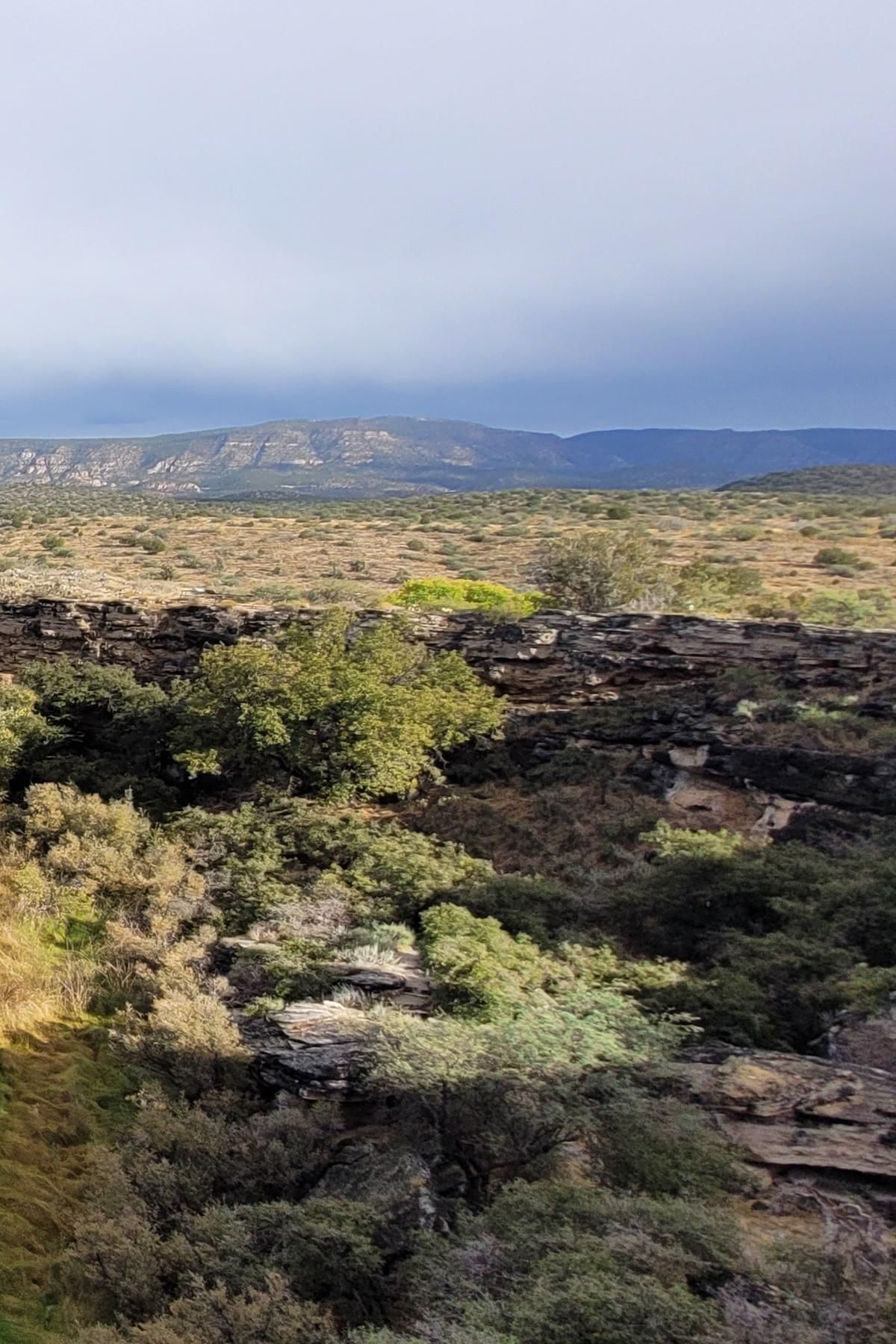
The ground here gave way somewhere between 12,000 and 15,000 years ago when the limestone collapsed. Even through severe drought, it keeps more than 15 million gallons, which makes it a true oasis in the desert.
The water comes from an underground spring. Rain and snow on the Mogollon Rim seep down through the rock, and that journey can take as long as 10,000 years. Vents at the bottom of the pool push about 1.5 million gallons up every day. The level barely shifts across the year, and the water stays around 70 degrees.
That water is loaded with dissolved carbon dioxide and also carries arsenic, so fish cannot live in it, and swimming is a bad idea. Instead, the Well supports at least five species found nowhere else on Earth, including a springsnail, tiny shrimp-like amphipods and the leeches that hunt them.
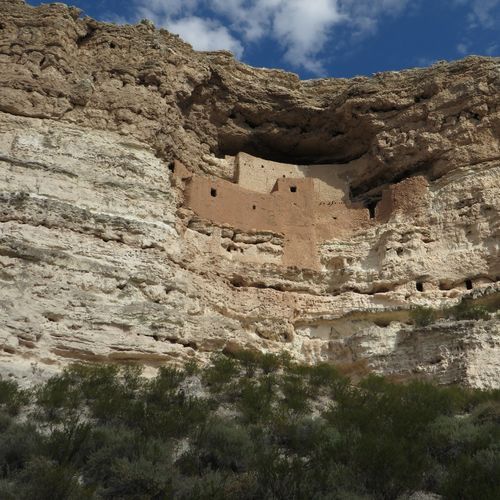
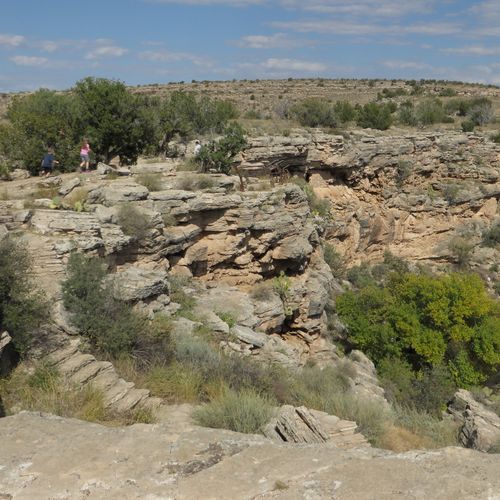
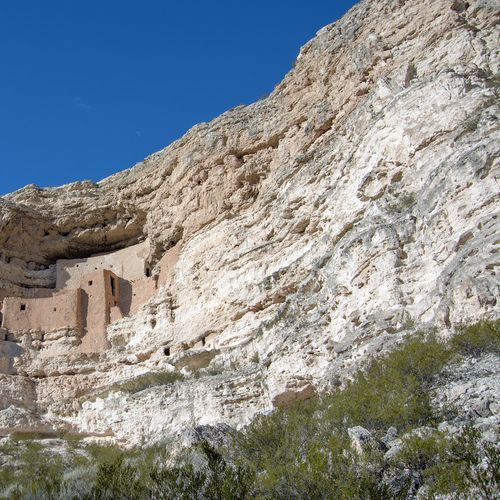
People have relied on this water for centuries. Near the Well are the remains of a Hohokam pithouse from around the year 1100, and from about 1125 to 1400 the Sinagua built roughly 50 structures tucked into the sinkhole walls. Walk the rim trail to look down on the dwellings, then take the path toward Swallet Ruins. Water leaves the Well through Swallet Cave, about 300 feet long, and spills into an ancient irrigation canal now crusted with lime.
The Well is a separate unit of the monument, 11 miles by road from Montezuma Castle. Take Interstate 17 north to exit 293, then follow the signs through McGuireville and Rimrock.