National Park of American Samoa guide · 1 min read
Wet Season, Dry Season and 300 Inches of Rain
The year here divides into two broad seasons. The long, wet stretch from October through May brings frequent showers and the possibility of tropical storms.
The cooler, drier stretch from June through September feels milder, but rain can still arrive then, so pack for wet weather all year.
Rainfall depends heavily on elevation. Drier areas average about 125 inches a year, while the highest mountains can collect as many as 300 inches. A shower might pass in a few minutes, or rain might fall steadily all day. December tends to bring the most rain, and September is usually the least rainy month.
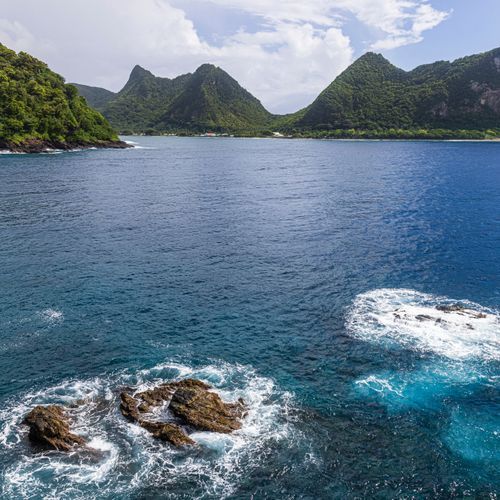
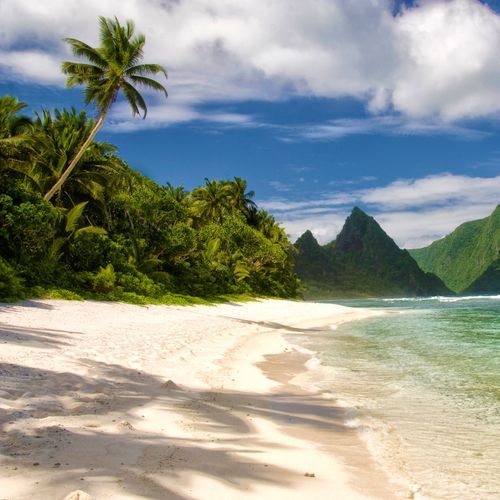
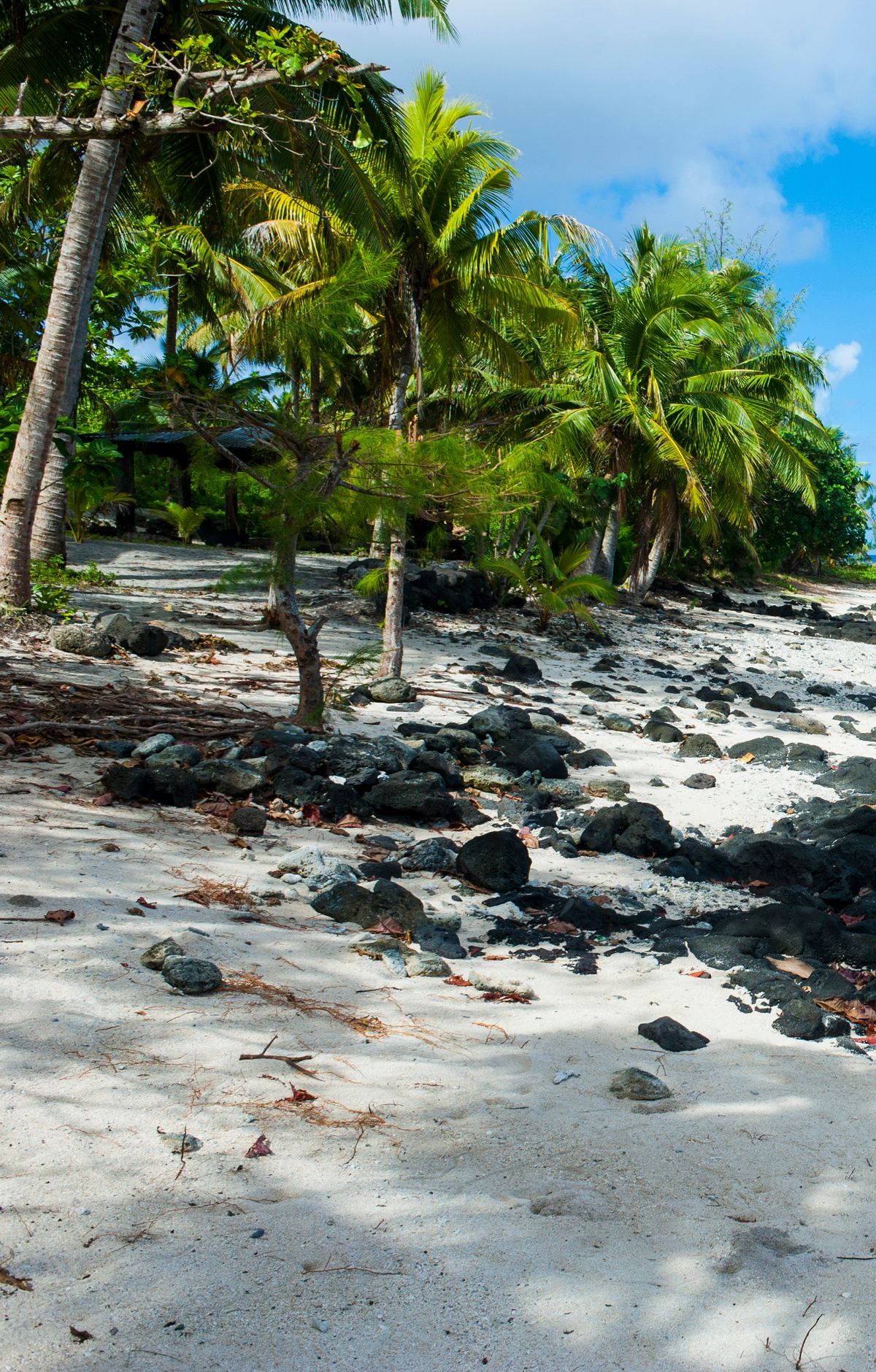
Temperatures stay warm to hot all year, moving between the high 70s and the low 90s Fahrenheit, and the air stays humid. Tutuila, Ofu, and Ta'u make up the park's islands, sitting in the South Pacific south of the Equator and north of the Tropic of Capricorn. Almost the entire land area of these volcanic islands is rainforest, running from the peaks to the shoreline.
Downpours can cause localized flooding and landslides, so stay out of flooded ground and check trail conditions before you set out on a hike. If a tropical storm approaches, heed local warnings and safety directions. Heat and humidity can wear you down quickly, so bring plenty of water, apply sunscreen, and rest often in the shade.
Visitors who want to be outdoors should keep the dry season in mind, since June through September is considered ideal for outdoor activities. Hiking and snorkeling rank among the park's most popular activities.