New River Gorge National Park & Preserve guide · 1 min read
1,300 Plant Species and 65 Mammals in the Gorge
Few river gorges in the central and southern Appalachians hold as many plant species as this one, with some 1,400 recorded here.
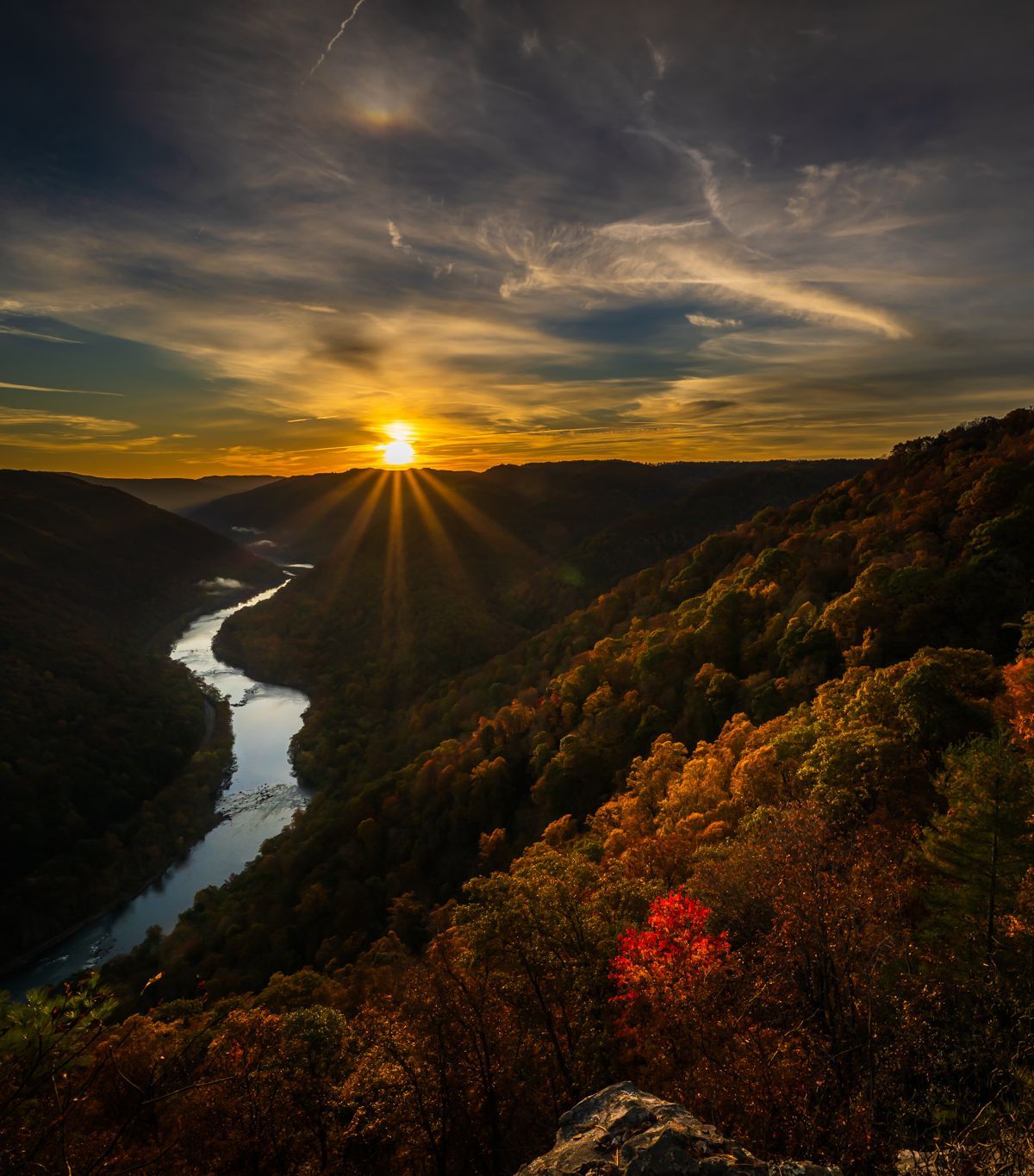
The forest surrounding the river is considered globally significant, and it supports at least 63 mammal species, several of them endangered.
Across the gorge, habitats range from continuous forest to cliffs and rimrock, forest seeps, wetlands, and mature bottomland forests. Abandoned mine portals add another kind of habitat. They serve as a refuge for rare bats, amphibians, and the Allegheny woodrat, a species of special concern in West Virginia whose numbers have dropped across the eastern United States.
Two endangered bats, the Virginia big-eared bat and the Indiana bat, make their homes in the forests and even in old buildings. The river, its feeder streams, and the woods along them support 48 known amphibian species. These include the endangered eastern hellbender, the black-bellied salamander, and the cave salamander.
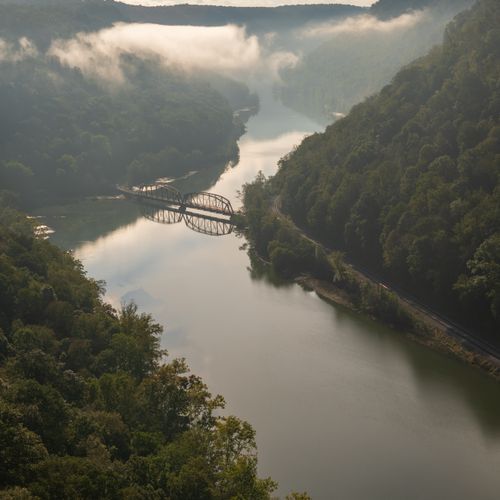
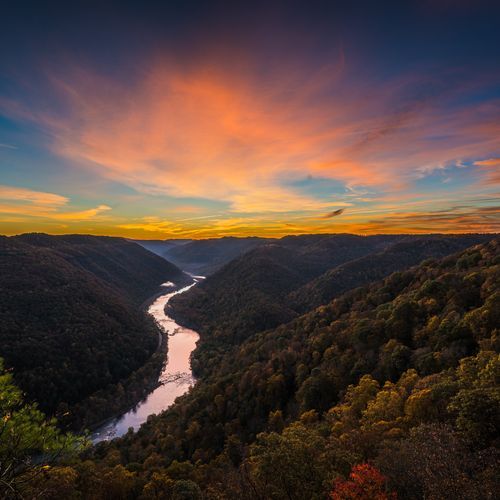
Bird watchers often head to Grandview Main Overlook, about 1,400 feet above the New River. Through an open gap in the trees, you can look down on birds and the rock outcroppings below. In late spring and summer, white water rafters may be visible far down on the river, and many visitors come for the sunrise. From the overlook, the Grandview Area Trails add six miles of routes past views, rock formations, and woodlands.