Pinnacles National Park guide · 2 min read
Climbing Volcanic Spires: Teaching Rock to Discovery Wall
Climbing at Pinnacles starts with the rock itself. It is volcanic breccia, far less sturdy than the granite many climbers learned on elsewhere.
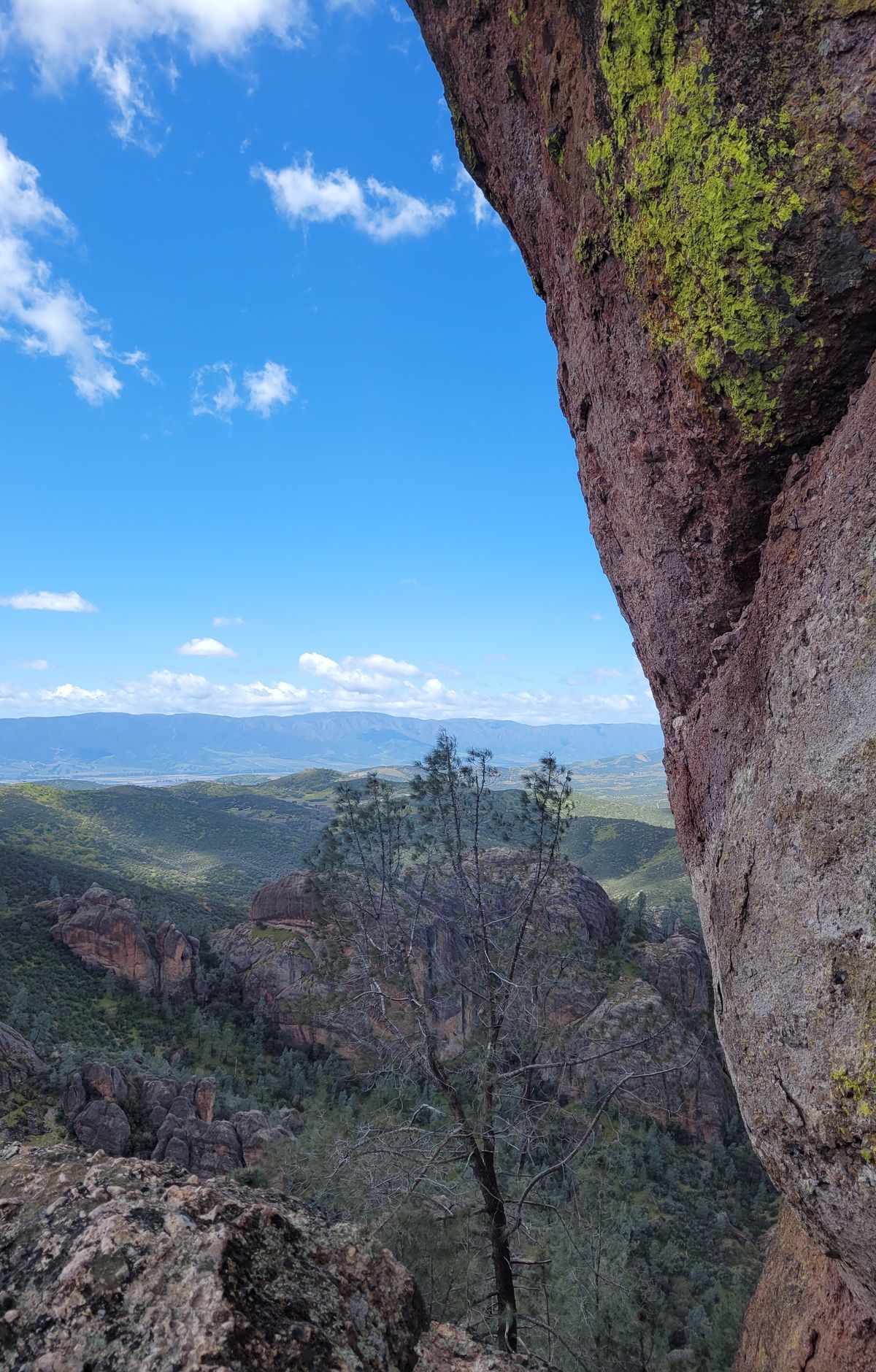
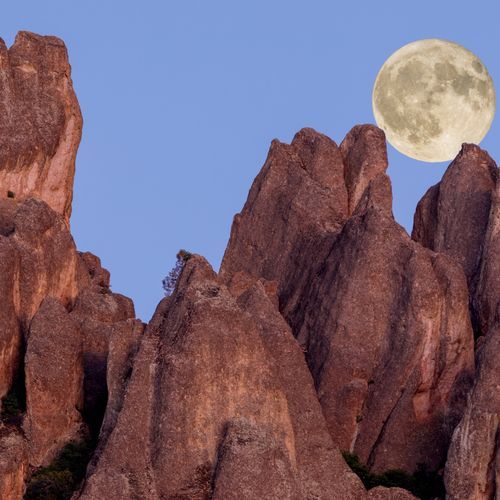
Roughly 23 million years ago, several volcanoes erupted, flowed and slid to build the spires you see today. Going in with realistic expectations helps, since this stone is softer than many people assume.
Bolts protect most of the climbing routes, which tend to be steep walls. On the east side, Discovery Wall and Tourist Trap lie a short distance from the Bear Gulch Day Use Area. These areas span a broad spread of difficulty and suit climbers who already have experience. Anyone still learning should consider a class or guide, and any guide you hire needs park permission to operate here.
Beginners usually start on toprope routes, which are easier and offer a satisfying test without the pressure of leading. The west side has tougher options, including multi-pitch climbs on Machete Ridge that require a stronger background and careful planning. The Balconies, Elephant Rock and Chockstone Dome are other popular areas over there.
Before you trust a hold, press a fingertip against it and see whether it sounds hollow. Examine bolts with care, since a good number are old or badly placed, and remember the park service does not look after them, so build in backup at every critical point. A helmet makes sense on the west side, where loose stone turns up often. Carry a light, spare batteries and an extra layer, since conditions shift a great deal in a single day.
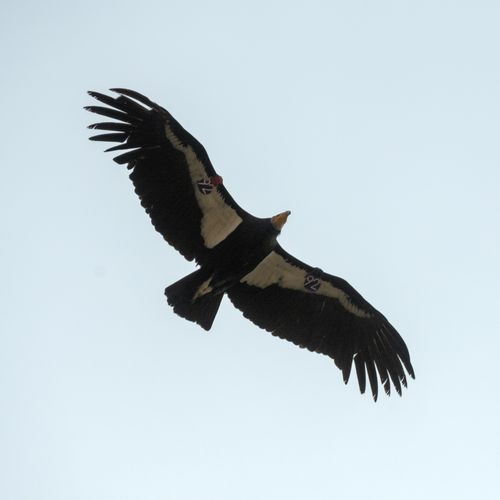
Nesting birds also shape where you can climb. Climbing that disturbs them, or bats nesting nearby, is not allowed, and a voluntary program of closures guards prairie falcons and other raptors, touching many formations across the park. Before heading out, speak with a ranger or read the information boards posted on each side of the park.