Sequoia & Kings Canyon National Parks guide · 1 min read
Monache and Yokuts: First Peoples of the Southern Sierra
People have lived in the Southern Sierra for at least six to seven thousand years. The Monache, also known as Western Mono, were hunters and gatherers who lived in the higher mountains and down into the western foothills.
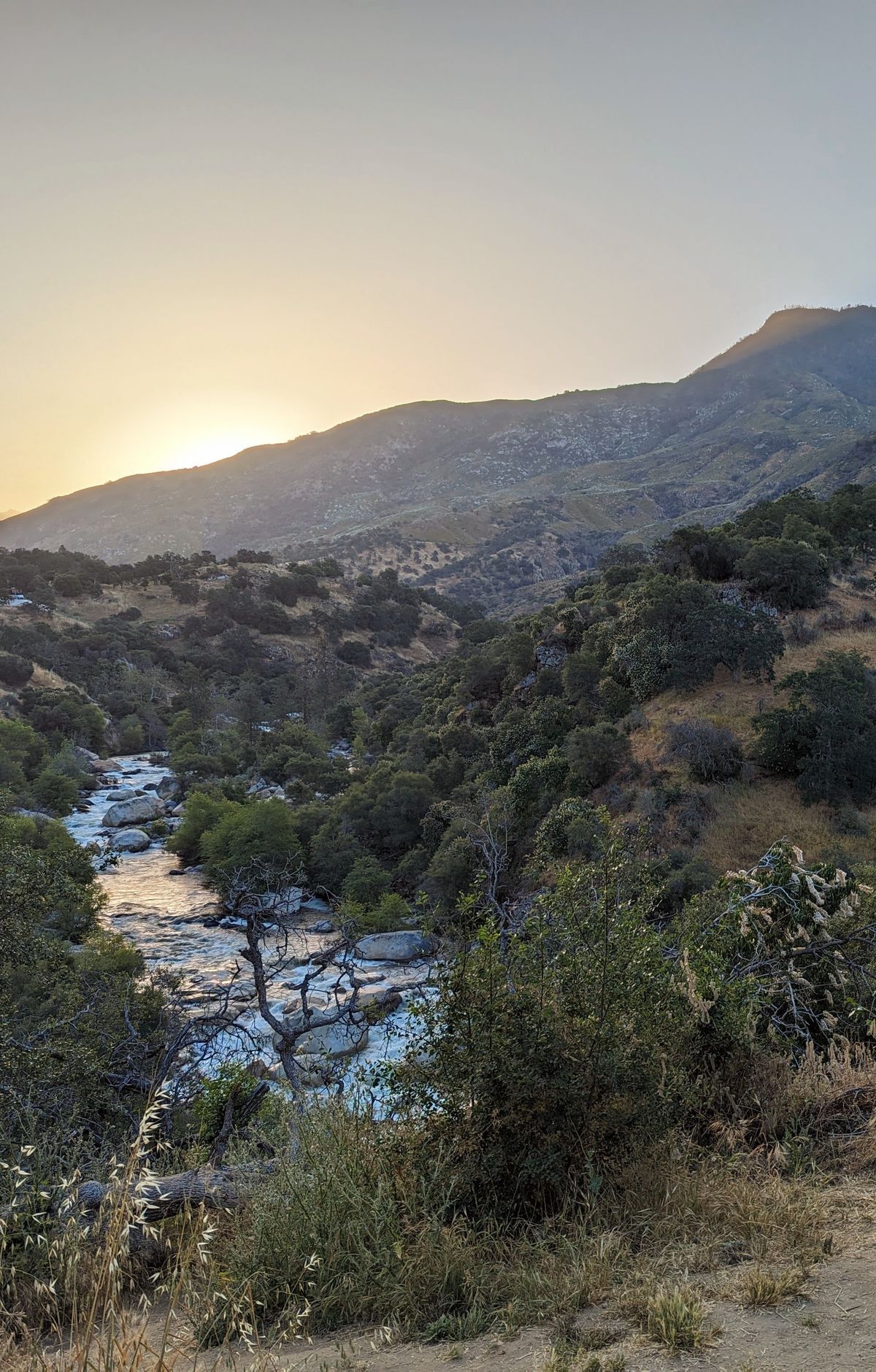
They used the mountain passes as trade routes.
West of the Monache, in the lowest foothills and across the wide expanse of the Great Central Valley, lived the Yokuts. They were a second group, separate from the Monache, and their land stretched across the valley floor.
Hospital Rock is among the important features of Sequoia National Park, listed alongside the General Sherman Tree and Moro Rock. Today the parks protect 265 Native American archaeological sites and 69 historic sites, which record the long history of people on this land.
Spanish explorers began reaching the edge of the Sierra in the late 1700s and early 1800s, and trappers, sheepherders, miners, and loggers soon followed. Settlers saw the land mainly for its resources, especially the giant sequoias, and preserving it was not a priority. Foreign diseases such as smallpox spread quickly, and the Native population declined rapidly. Later, displacement and forced relocation changed how Native peoples could relate to the land and to one another.
Those connections did not end. Sequoia and Kings Canyon National Parks are the homelands of the Monache, Yokuts, Tübatulabal, Paiute, and Western Shoshone peoples, and many of their descendants live today. They continue to steward and tend lands now within the parks, and they still maintain deep connections to this country.