Shenandoah National Park guide · 2 min read
1935 Founding and the Civilian Conservation Corps
The effort to create a national park in the Appalachian mountains started in 1901, when Virginia congressman Henry D. Flood introduced legislation.
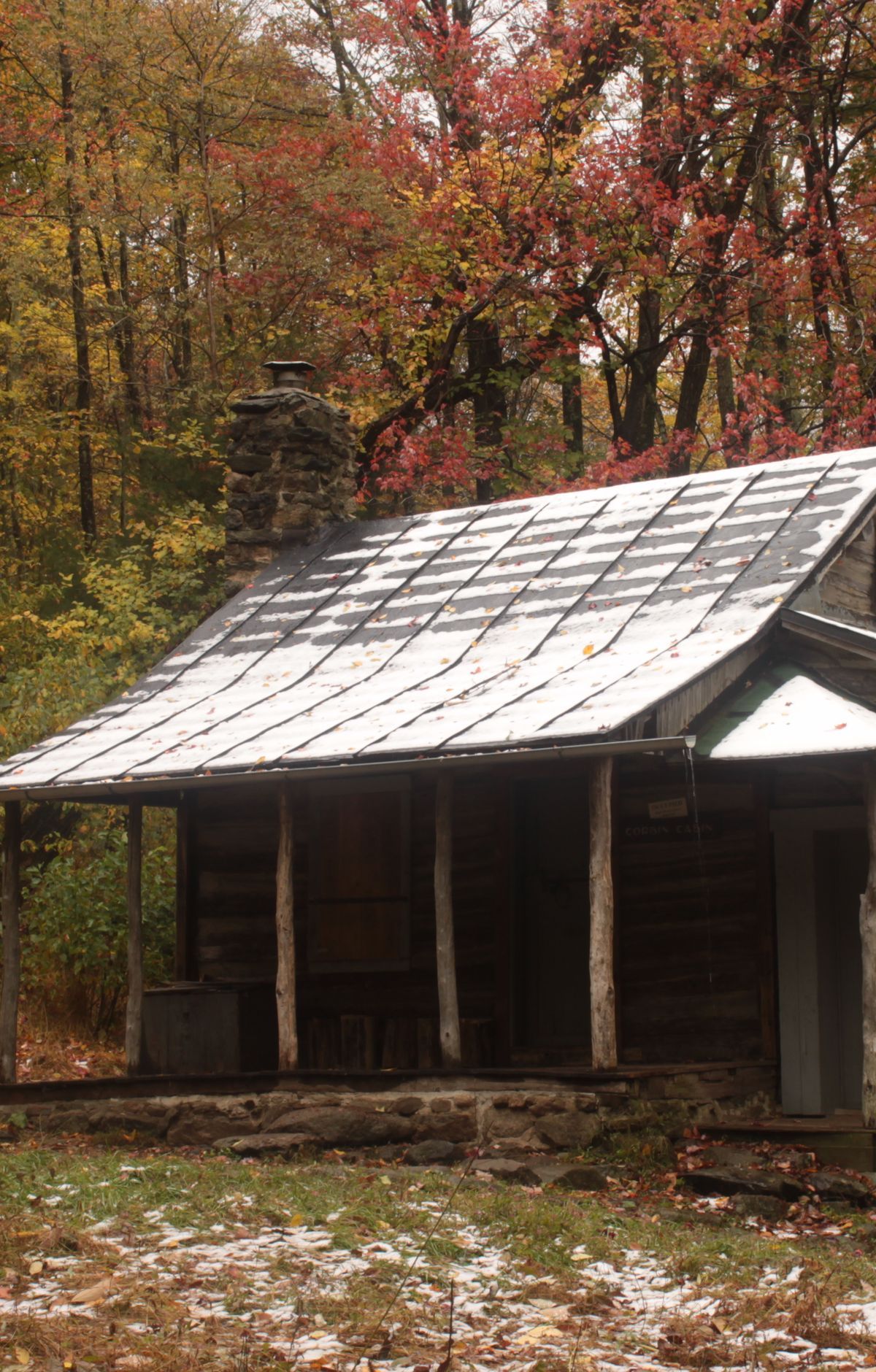
It failed to pass, even with the support of President Theodore Roosevelt. Momentum returned after Stephen Mather, the first director of the National Park Service, sought proposals for a southern park in 1923. In May 1926, Congress and President Calvin Coolidge authorized the Park Service to acquire between 250,000 and 521,000 acres.
Acquiring the land was one of the most contested parts of the story. The state used eminent domain to condemn parcels and hand them to the federal government. Evictions began in late 1933 under new federal policies, drew heavy criticism, and went ahead even though Carson had advised against them. The households least willing to leave lived mainly in the central counties of Madison, Page and Rappahannock. Some families took the payments because they needed cash and hoped to leave subsistence life behind, while others refused to go.
Settlers began arriving in the lower hollows soon after 1750. In the century and a half that followed, many hundreds of households raised homesteads, ran mills and stores, and planted orchards. Timber, charcoal and crops were the main sources of cash for nearly nine in ten residents. Families had also earned cash at the apple and peach harvests, but a drought in 1930 devastated those crops and killed many trees.
The Civilian Conservation Corps also left its mark on the park, and the Byrd Visitor Center at mile 51 has exhibits on its work. Other displays there cover desegregation in the 1930s and 1940s, a less widely told story, along with the disputed land acquisition.
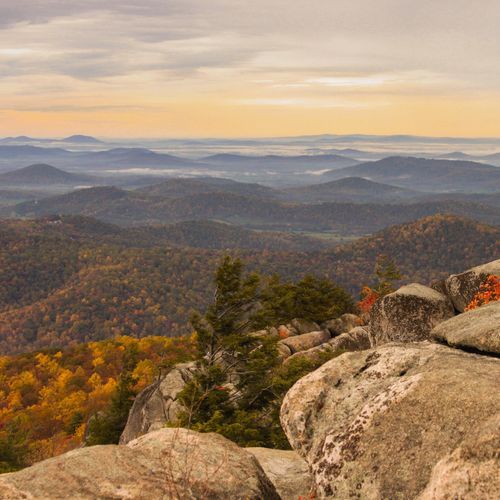
The landscape belongs to the Blue Ridge Mountains, whose oldest rocks formed more than a billion years ago. At the history exhibits, you can trace how the park's look has changed alongside the country's shifting values.