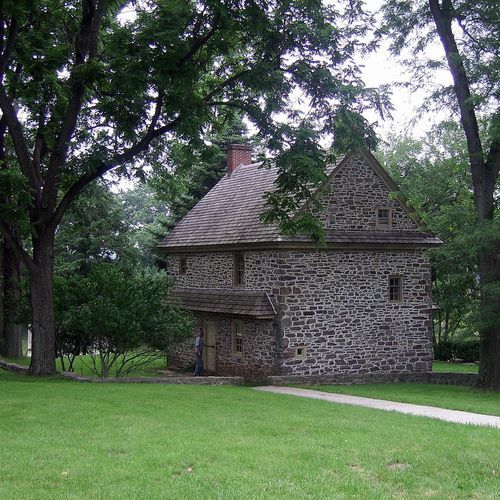
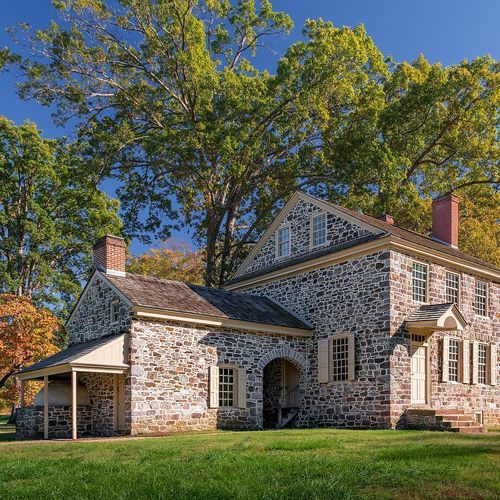
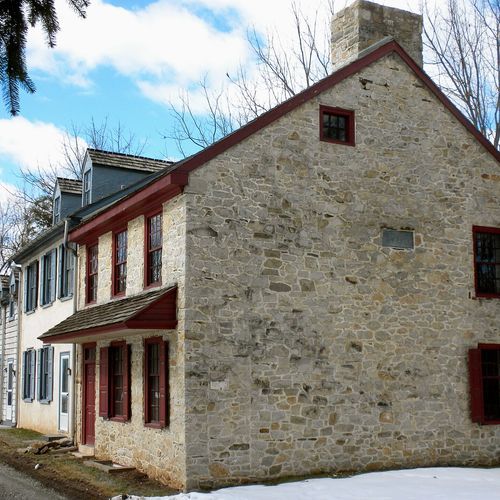
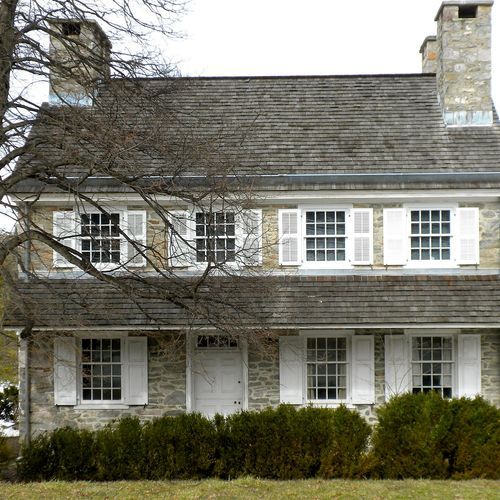
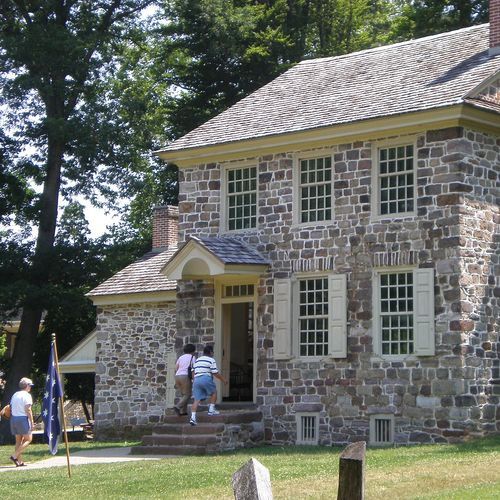
During the 1777-78 encampment, Brigadier General Henry Knox, the Continental Army's 27-year-old artillery chief, lodged in the small stone section of this house. He later became the nation's first Secretary of War under George Washington. The home then belonged to the farming family of John Brown and was later enlarged, as was common locally. Stables stand nearby, and the Knox Trail leads across Valley Creek to the Philander Chase Knox Estate.
Things to Do in Valley Forge National Historical Park
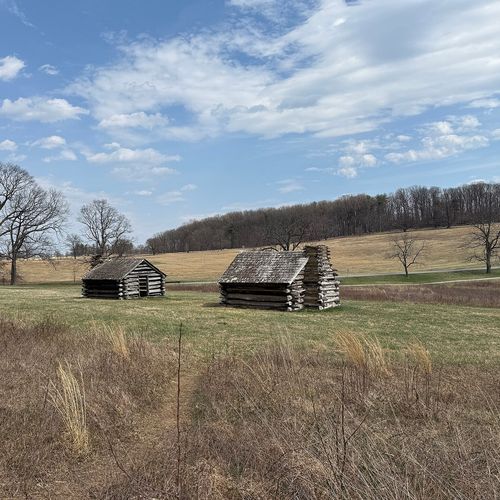
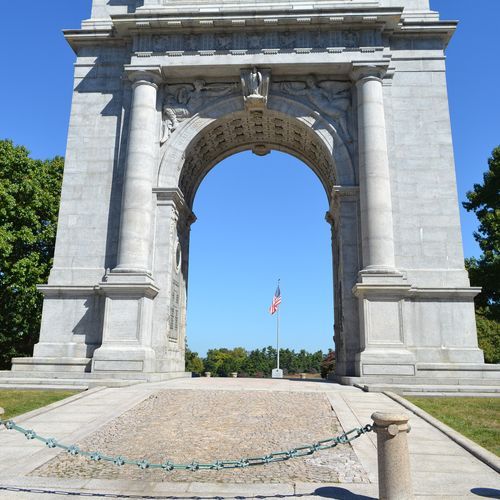
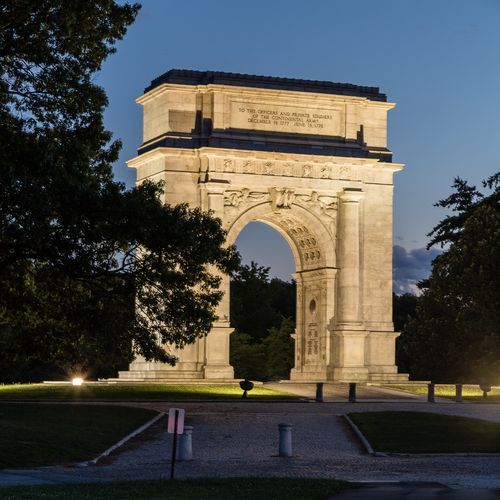
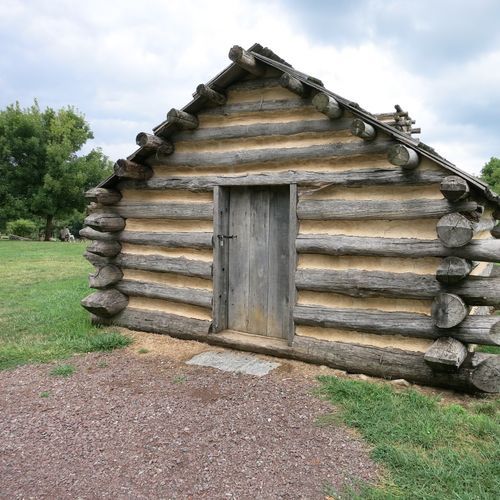
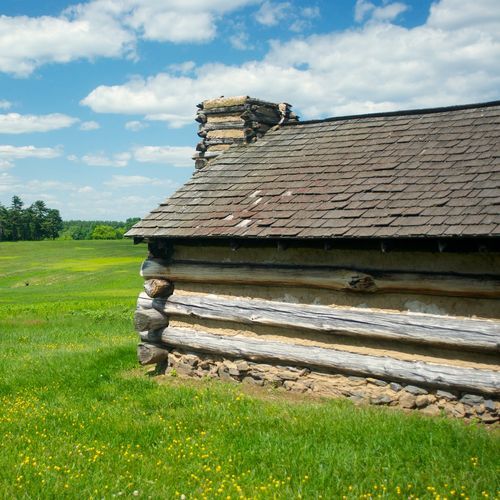
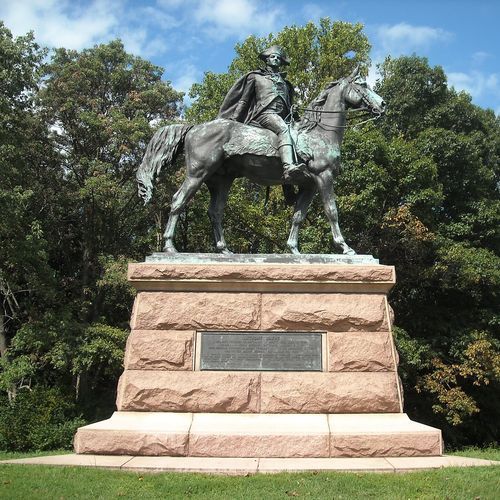
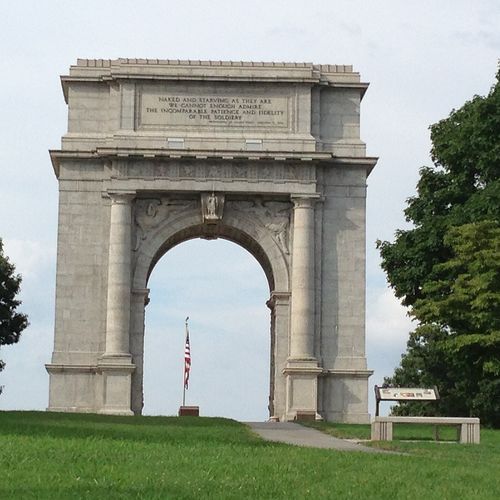
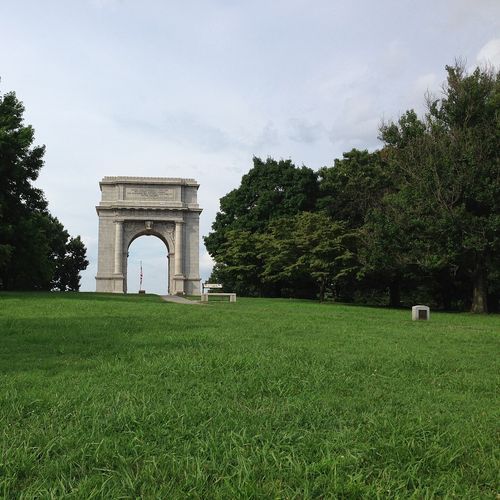
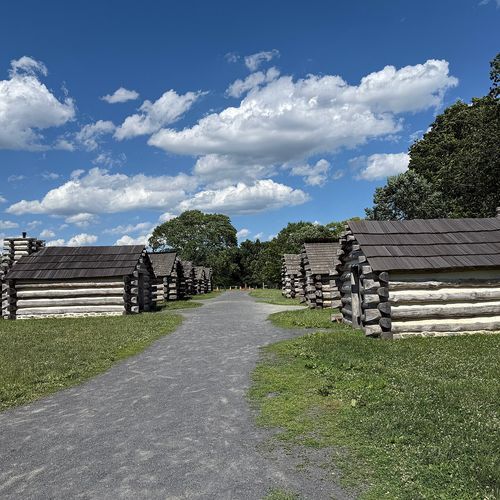
Valley Forge rewards visitors who come for more than a trail workout. This is hallowed ground where Washington's ragged Continental Army endured the brutal winter of 1777-78, and the park's real power lies in the places that tell that story. Begin at the visitor center to get your bearings, then make your way to Washington's Headquarters, the modest stone house where the commander directed the encampment, now restored and furnished to feel as though the general has just stepped out. Along the outer line, reconstructed log huts mark the rows where soldiers from all thirteen states huddled against cold, hunger, and disease, and standing inside one quickly makes the scale of their hardship real. Statues and monuments are scattered across the rolling grounds, among them the striking equestrian figure of Anthony Wayne and the soaring National Memorial Arch, a triumphal tribute to the army's perseverance that makes a natural centerpiece for photographs.
The landscape itself is a big part of the appeal. Gentle hills, open meadows, and stands of flowering dogwood give the park a pastoral beauty that shines in spring and again when autumn color sweeps across the fields. Drive or bike the park's loop roads to reach overlooks that take in the broad sweep of the old encampment, with Mount Joy and Mount Misery rising above the confluence of Valley Creek and the Schuylkill River. Don't miss the charming Knox Covered Bridge spanning Valley Creek near Lord Stirling's Quarters, or the Washington Memorial Chapel, a graceful stone church begun in 1903 whose stained glass and carved woodwork honor the nation's founding. Beaches are not part of the experience here; the Schuylkill is better admired from its banks than used for swimming, though its riverside edges make inviting spots for a picnic or a quiet moment.
For a richer visit, join a ranger-led program, where interpreters bring the encampment's daily life, Baron von Steuben's famous drills, and the army's transformation into a disciplined fighting force vividly to life. Admission is free and the grounds are open year-round from early morning until dusk, which makes golden-hour wandering among the monuments a memorable way to close the day. With no lodging or campgrounds inside the park, plan to stay in nearby King of Prussia or the surrounding Montgomery County towns, which put you within minutes of one of the most moving landmarks of the American Revolution.

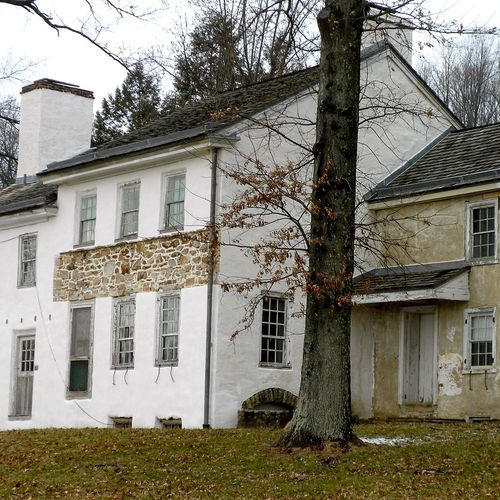
This two-story fieldstone farmhouse, built in the early 1700s, still overlooks the Grand Parade where the Continental Army drilled. During the 1777-78 encampment, Brigadier General James Varnum and his staff rented space here while the Stephens family continued living in the house, and generals likely met here before Varnum moved to a hut. It's a stop on the Encampment Tour, a short walk from the von Steuben statue and Varnum's Picnic Area.
This single-opening triumphal arch crowns a hilltop where Gulph Road meets Outer Line Drive, along the route the Continental Army marched into Valley Forge in December 1777. Paul Philippe Cret modeled it on a pared-down Arch of Titus in Rome, and it carries Washington's own words praising his ragged soldiers' patience and loyalty. Brigade memorial stones line the drive nearby, and the Pennsylvania Columns and Anthony Wayne's equestrian statue are a short walk away.
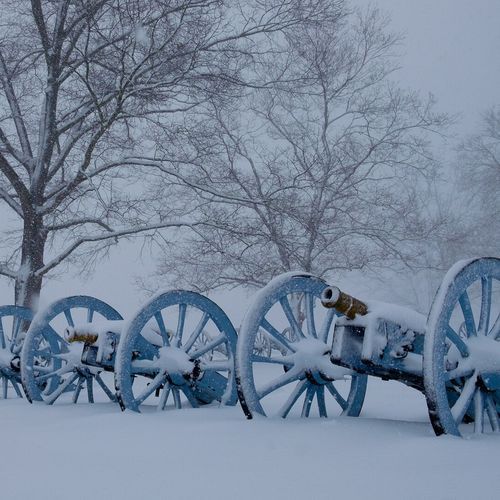
During the 1777-78 encampment, most of the Continental Army's cannons were kept at this central spot between the first and second defensive lines, ready to be hauled to earthen forts across camp if the British attacked. Brigadier General Henry Knox trained roughly 630 artillerymen here, with crews of 14 or 15 working each gun. It's a stop on the Encampment Tour, with Redoubt 3 and trails toward Mount Joy close by.
This partially reconstructed earthen fort was raised by Continental soldiers during the 1777-78 encampment to guard the camp against an attack from the south. Builders dug a deep ditch out front and piled the soil into gabions, baskets woven from branches, then braced the walls with bundled branches called fascines. Sod usually topped such works to soak up cannon fire, though it was hard to find in the muddy, treeless camp. Artillery Park and Mount Joy are a short walk away.
This rebuilt earthen fort recreates one of five redoubts that Continental soldiers raised during the 1777-78 encampment to guard the camp against a possible British attack. It sits a short walk from the Visitor Center and the reconstructed huts of Muhlenberg's Brigade, which makes it a convenient stop for seeing how the army fortified its winter position with earth and timber.
This earthen fort is one of several redoubts Continental soldiers raised during the 1777-78 encampment to guard the camp against a possible British attack. Builders typically dug a deep ditch and piled the soil into walls braced with woven branch baskets and bundled sticks. It sits near the Grand Parade, a short walk from the Baron von Steuben Statue and Varnum's Quarters, so it pairs easily with other stops in the area.
George Washington and his household lived and worked in this stone house during the Continental Army's 1777-1778 winter encampment, and much of the building dates to that time. Aides such as Alexander Hamilton and John Laurens shared it with salaried and enslaved servants, including Hannah Till. Inside, rooms are furnished as they might have looked then, and the nearby stable holds an exhibit on colonial iron making.
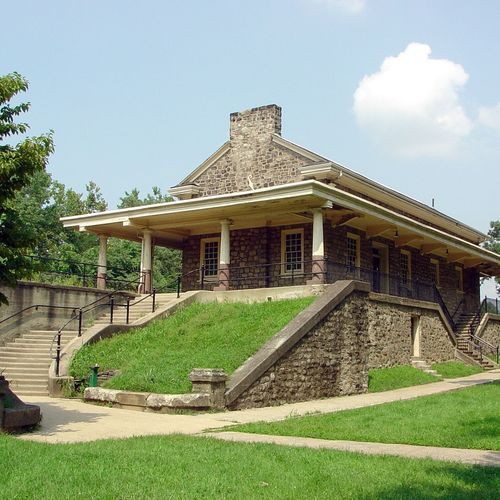
Built by the Reading Railroad in 1911, this stone passenger depot once greeted the crowds who came by rail to see where Washington's army spent the winter of 1777-78, including Boy Scouts bound for national jamborees held in the park. Restored in 2009, it now houses exhibits about Washington's Headquarters, just steps away, and the village of Valley Forge. Freight trains still roll along the adjacent tracks.
This earthwork is one of the defenses Continental soldiers raised during the 1777-78 encampment to guard the camp against a possible British attack. Builders of these forts typically dug a ditch and piled the soil behind walls of woven branch baskets. The site sits near Varnum's Quarters and the Grand Parade, so it pairs easily with a walk past the Baron von Steuben Statue and other nearby markers.
This stop is tied to the officers who lodged near the Continental Army's camp during the 1777-78 winter encampment at Valley Forge. It sits within a cluster of generals' quarters, with Lafayette's Quarters and Knox's Quarters a short walk away, so it fits easily into a loop through this corner of the park. Knox Covered Bridge and the John Brown Lime Kiln are also close by.
The young French officer Marquis de Lafayette was quartered here during the 1777-78 winter encampment, serving as an aide to George Washington and commanding a new division of the Continental Army. He worked to keep his soldiers living in the best conditions he could manage, and he learned of his daughter's birth on the day the army arrived. The site lies close to the John Brown Lime Kiln and the quarters of Knox and Lord Stirling.
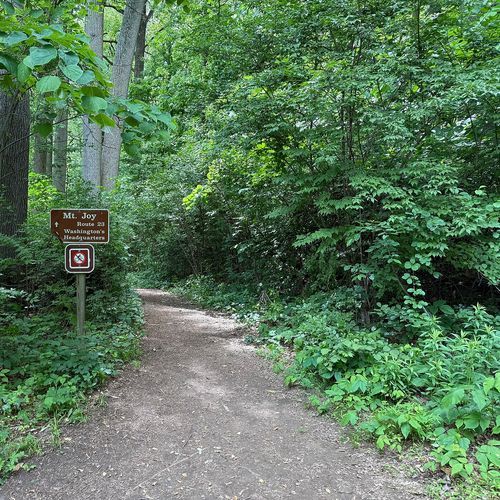
This forested rise is laced with wooded trails, and hikers often cross paths with chipmunks, gray squirrels and deer along the way, along with the occasional red fox, the park's largest resident predator. It sits close to several encampment landmarks, including Redoubt 3, Artillery Park and Washington's Marquee Site, with the Knox Covered Bridge and Knox's Quarters a short walk away, so a woodland walk here combines easily with a visit to the historic sites.
A bronze figure of Brigadier General Anthony Wayne on horseback rises from a pink granite pedestal in a tree-ringed clearing, turned toward his home in Chester County. Walk around the base to read the plaques: the north face traces his roles in public life, including helping ratify the Constitution in Pennsylvania, and the south face quotes Congress's thanks for his 1779 victory at Stony Point. The Pennsylvania Columns and the National Memorial Arch are a short walk away.
This memorial stands in the Artillery Park and Grand Parade section of the park, where the Continental Army drilled and kept its cannon during the 1777-78 winter encampment. It pairs easily with a walk to nearby sites, including the Patriots of African Descent Monument, the earthworks of Star Redoubt and General Varnum's Quarters, all within a short stroll.
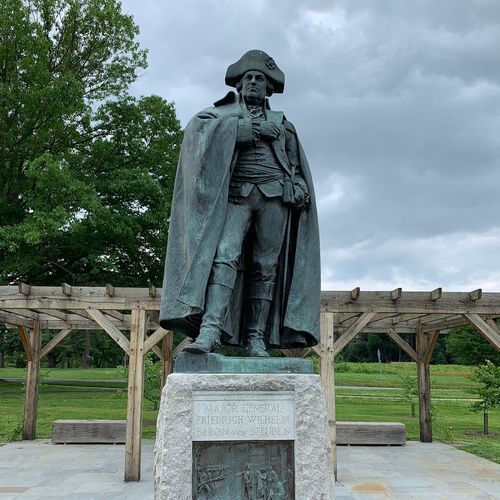
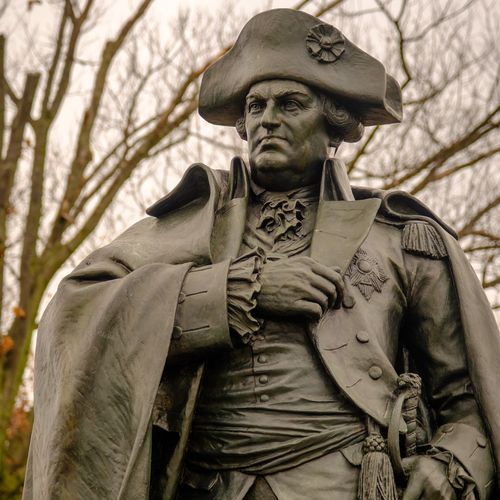
Cast in bronze and set atop a tall granite pedestal, this figure of the Continental Army's inspector general looks out over the Grand Parade, as if still watching soldiers at drill. Sculptor J. Otto Schweizer showed him in a heavy coat over his general's uniform, one thumb resting on his sword hilt and the other hand gripping his coat front. The work copies a statue in Utica, New York, and Varnum's Quarters is just steps away.
Donated by the Commonwealth of Massachusetts in 1911, this was the third state memorial raised to honor troops at Valley Forge. It remembers the eleven Massachusetts regiments that wintered here, whose ranks included men from present-day Maine and Vermont. Once closer to the National Memorial Arch, it was shifted slightly to open walkways and views around it, so it pairs naturally with a visit to the arch. Inscriptions on the central pillar dedicate it to the state's soldiers.
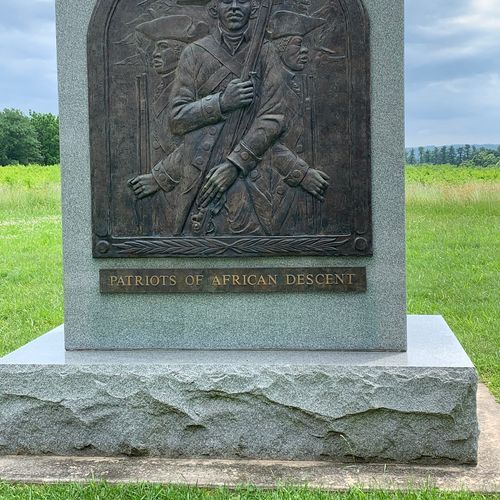
A granite block carved with text honors the Black soldiers who served, suffered and sacrificed during the 1777-1778 winter encampment. Its bronze bas-relief shows three uniformed soldiers holding muskets beneath an arch, with doves of peace in the background. Dedicated in 1993, it is one of very few memorials to Black Patriots of the Revolution on federal land. The back carries a quote from historian Charles L. Blockson.
Originally a tavern and later pressed into use as a camp hospital, this building housed Baron von Steuben, the Prussian-trained officer who became the Continental Army's inspector general, through the winter and spring of 1778. From here he directed the drilling and reorganization that turned Washington's troops into a more disciplined fighting force. It stands in the Valley Creek area, a short walk from Washington's Headquarters at the Isaac Potts House.
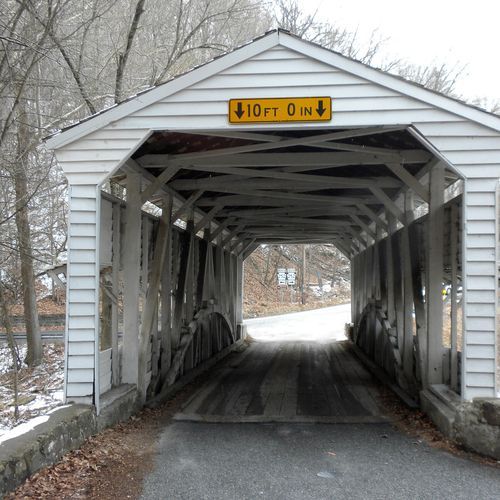
This wooden covered bridge carries traffic over Valley Creek, a stream that was crowded with mills and factories during the area's 19th-century industrial boom. The first span went up in 1851 and was lost to a flood, and the current one dates to 1865. It has since survived fire, floods, vehicle strikes and fallen trees. Its roadway leads to the Philander Chase Knox Estate, and Knox's Quarters sits a short walk away.
This stop recalls George Washington's marquee, the large canvas field tent a commanding general used as living quarters and office while on campaign. It sits a short walk from Artillery Park, the New Jersey Monument and the slopes of Mount Joy, so it fits easily into a walk around Washington's Headquarters and the surrounding encampment grounds.
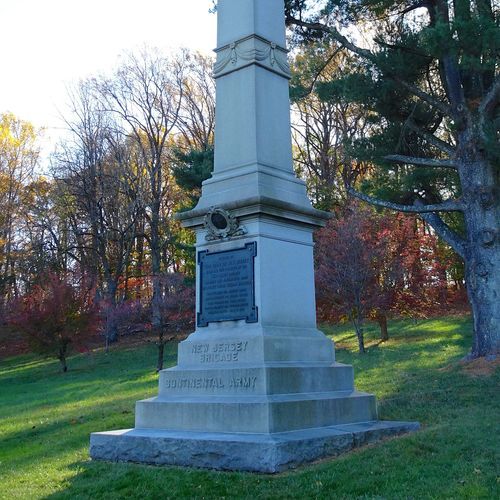
Set up by New Jersey in 1913, this monument stands where the state's brigade camped during the winter of 1777-78 under Brigadier General William Maxwell. A bronze Continental soldier tops the stonework, honoring the "Jersey Blues," troops known for their discipline and organization. The inscription lists the brigade's four regiments and their colonels, and the site is a short walk from Washington's Marquee and the Washington Statue.
This monument marks where Pennsylvania's troops of the Pennsylvania Line camped during the Valley Forge encampment. Sculptor Henry Kirk Bush-Brown designed it, and the state legislature donated it in 1908, with bronze bas-reliefs and eagle figures added before it was completed in 1912. Its two wings carry the names of Pennsylvania officers, including Anthony Wayne's fellow generals Muhlenberg, St. Clair and Mifflin. The National Memorial Arch and Massachusetts Monument stand a short walk away.
This memorial pays tribute to the unnamed soldiers of the Continental Army who endured the 1777-1778 winter encampment at Valley Forge. It stands in the Outer Line area close to the Anthony Wayne Statue and Redoubt 3, with the National Memorial Arch and several state monuments a short walk away, so it fits easily into a tour of the park's memorials.
Virginia troops under Brigadier General Peter Muhlenberg spent the winter of 1777-78 camped on this ground, where nine reconstructed log huts now line a gravel company street. A few huts hold exhibits on how the shelters and earthworks were built and how officers and enlisted men lived, and a reproduction regimental bake oven stands nearby. In summer, rangers and volunteers in 18th-century clothing often bring camp life to the site, with a reconstructed earthen redoubt a short walk away.
This bronze figure of Washington is cast from molds of Jean-Antoine Houdon's marble original, which still stands in the Virginia State Capitol in Richmond. Houdon worked from a life mask and careful measurements taken at Mount Vernon in 1785, so the face is considered a close likeness. The copy was made in 1932 for the bicentennial of Washington's birth. It stands steps from his headquarters in the Isaac Potts House.
This monument on the park's north side marks where a bridge once crossed the Schuylkill River, built on George Washington's orders during the 1777-78 encampment. It is one of about 40 memorials across the park that tie specific spots to the army's winter here. The Star Redoubt and Varnum's Quarters are within walking distance, so it fits easily into a visit to the river side of the park.
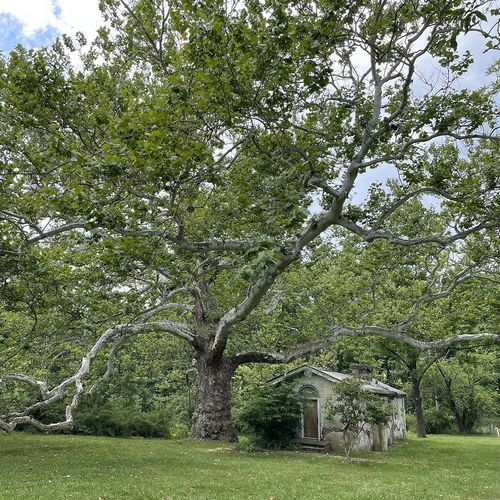
This sycamore stands on the park's quieter north side, across the Schuylkill River from the main encampment grounds. Sycamores are a defining tree of the park's floodplain forests, where they grow alongside ash on the low ground by the river. From here, Sullivan's Bridge Marker and Washington's Headquarters are within walking distance, so it fits easily into a riverside outing.
This old kiln is tied to John Brown, whose nearby stone farmhouse housed Brigadier General Henry Knox during the 1777-1778 encampment. Kilns like this one burned limestone to make lime for mortar and for sweetening farm fields, a reminder of the area's agricultural and industrial past. It pairs well with a short walk to Knox's Quarters, Lafayette's Quarters and the Knox Covered Bridge.
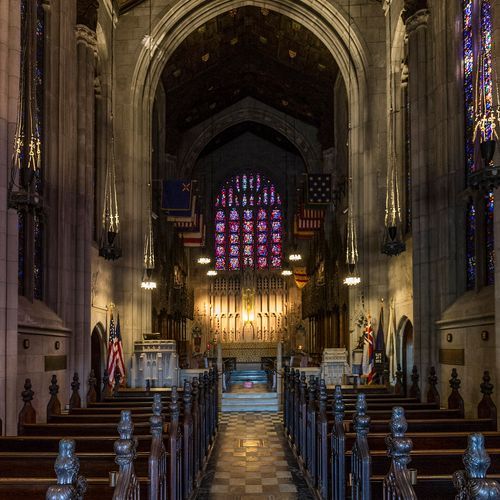
This Gothic Revival chapel, built between 1903 and 1917, stands on a hill near the park's center, though it is privately run rather than managed by the National Park Service. Its bell tower holds a replica of the Liberty Bell, the Justice Bell, used in women's suffrage campaigns, and a list of Revolutionary War soldiers. The Veterans Wall of Honor recognizes all who served, and the chapel remains an active Episcopal parish.
Discover more activities and plan your visit in the Parka app
Download Parka — It's Free