Virgin Islands National Park guide · 1 min read
Ridge to Reef: Corals, Turtles and Fish
Virgin Islands National Park protects 5,650 acres of submerged lands alongside its land area on Saint John.
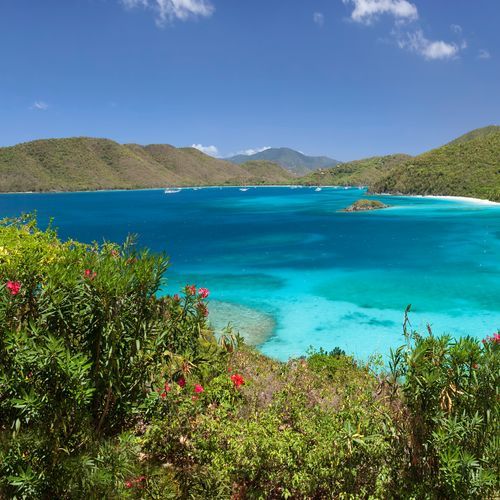
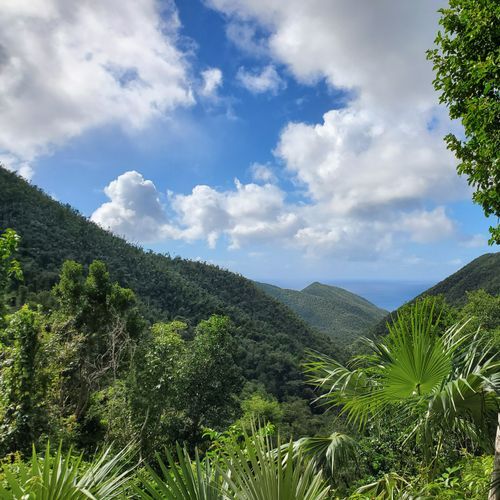
The park also owns the ridge tops that run down to the reefs, so protection reaches from the hills to the water. Large stretches of the surrounding water, reef and coastline fall within the park boundary, which helps protect fish, corals and other marine life.
Snorkeling is one of the park's main draws. The Trunk Bay Underwater Snorkel Trail lets you drift along a route while learning about the reef's residents and how to protect it. Stand only on sand, and keep your feet off the coral, since contact can cut you and damage the reef.
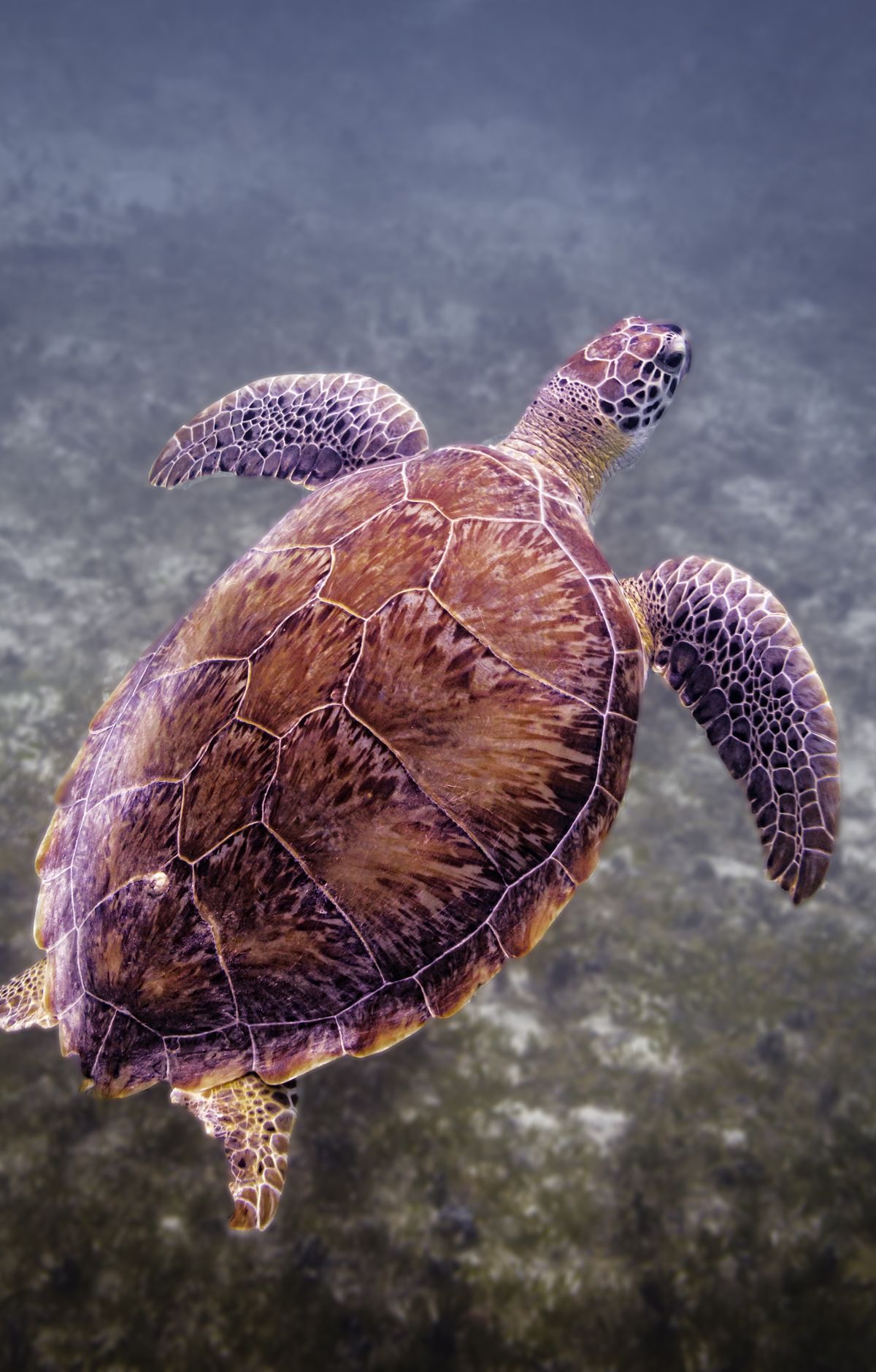
Coral reefs shelter a wide range of fish. Juvenile fish weave among the branches of elkhorn coral, and a wide variety of colorful fish find cover in the reef areas near the shore. Snorkelers can also spot sea turtles in the park's waters.
Three finger-like arms of reef reach out from the sand at Hawksnest Bay, and they carry a stand of elkhorn coral that ranks among the largest of its kind. Keep to the outer edges of the arms instead of swimming over the reef, since elkhorn is protected at the federal level and is very delicate. Salomon/Honeymoon Bay is made up of two white-sand beaches reached by a short hike from North Shore Road, from Caneel Bay, or by boat. Off the rocky point between the beaches, the clear water is home to pillar, mustard hill, elkhorn, lettuce leaf and brain corals.