Virgin Islands National Park guide · 2 min read
Annaberg Ruins and St. John's Sugar Past
Annaberg was among the 25 sugar plantations on Saint John during the Danish colonial era. By the early 1800s it was one of the island's biggest producers of sugar, molasses and rum for export.
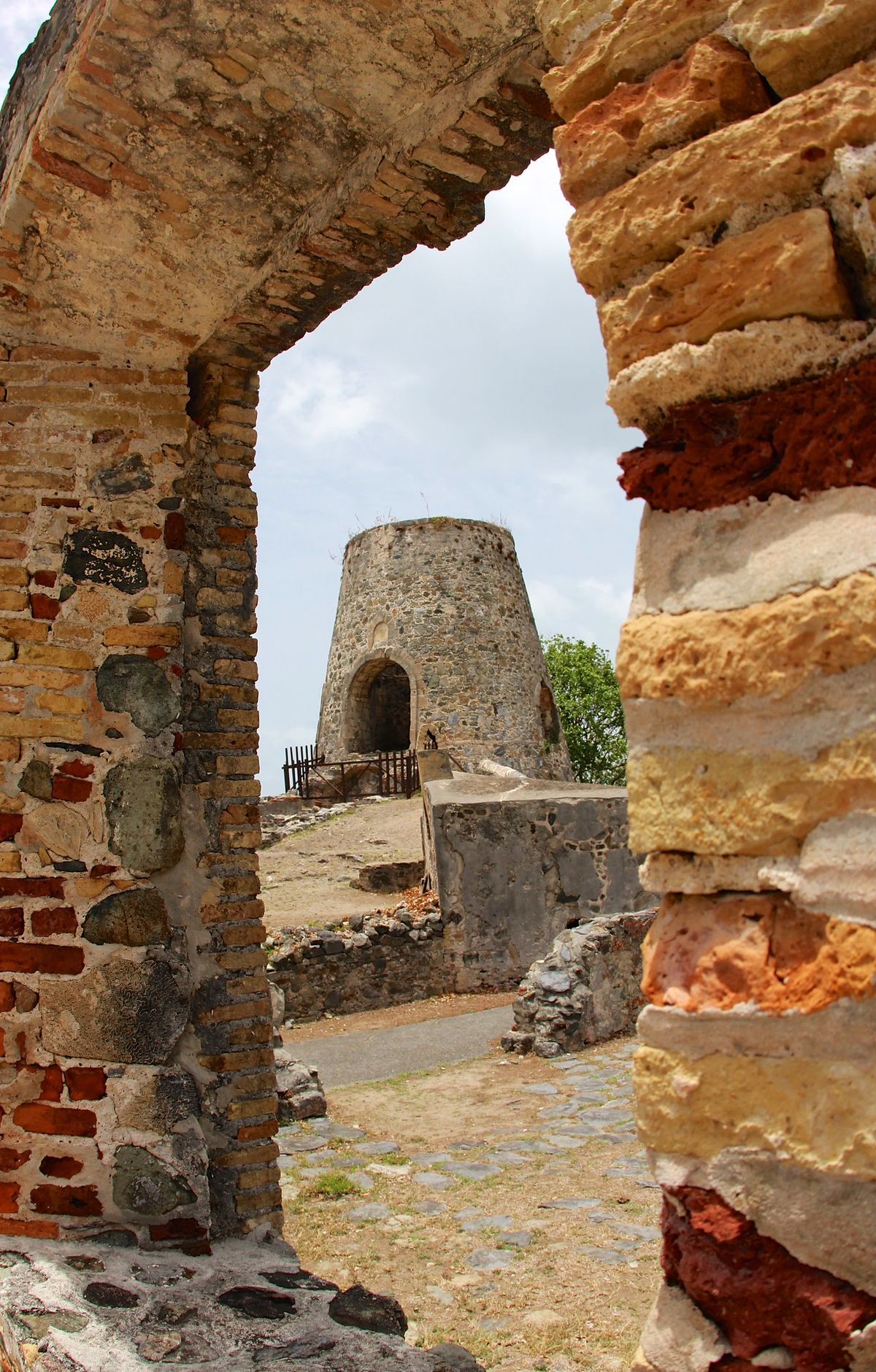
At its peak, more than 600 enslaved people labored there under harsh conditions. The site also recalls the brutal removal of Indigenous residents who came before.
The windmill and animal mill still stand, and both once crushed cane to draw out its juice. Nearby, part of the sugar factory survives, where that juice was boiled into raw sugar, along with part of a rum still. The windmill is among the largest on the island and rises on Annaberg Point, where visitors look out toward Tortola, Great Thatch Island and the Narrows. The Annaberg Historic District lies just east of Mary's Point and covers a factory and windmill that have been partly restored.
To reach the ruins, park in the Annaberg Area Trail lot and walk a short uphill stretch. The self-guided interpretive trail covers the windmill tower, factory, quarters and other structures, and gives glimpses of the lives of people who worked here long ago. Between the factory and the water, the hillside holds remains of housing for enslaved workers, including men, women and children who had helped build the factory. Demonstrations in the bake house show cooking at work, and guests can taste dumb bread.
The Leinster Bay waterfront, where the estate was built, is now part of the National Underground Railroad Network to Freedom. Many enslaved people on St. John used that shore to reach freedom on Tortola in the British Virgin Islands. Catherineberg Estate Ruins, another sugar estate with its own factory, lie along Centerline Road above Cinnamon Bay. Their well-preserved windmill tower and horse mill are easy to reach, making this a brief detour on the drive.