Virgin Islands National Park guide · 1 min read
Trade Winds, Swells and Hurricane Season
Trade winds shape the weather here. The Tradewinds, also known as the Easterlies, carry air from east to west over the tropical Atlantic, and in winter they can blow between 11 and 21 knots.
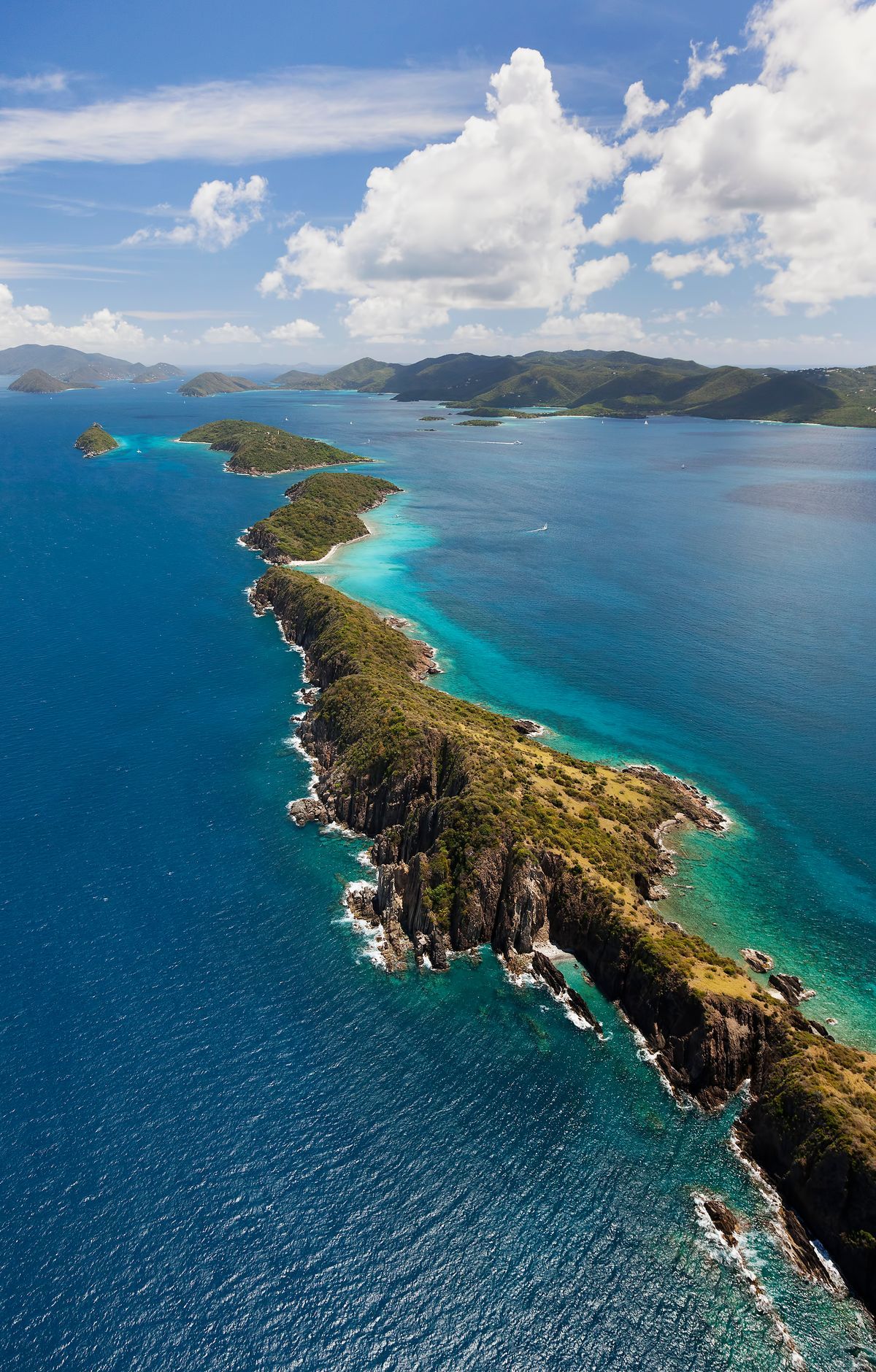
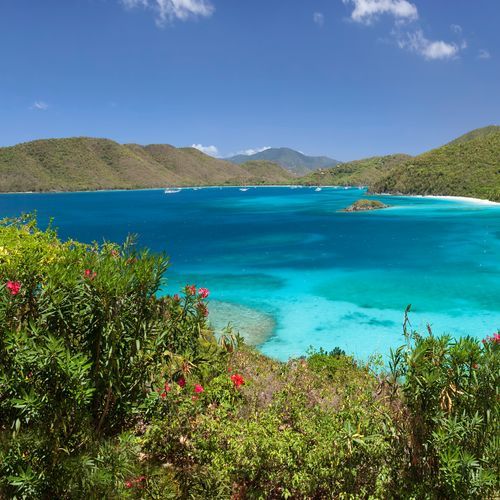
The park has a tropical savanna climate in the Köppen system, meaning warm temperatures every month and a pronounced dry season. The average temperature is 79 degrees, and the sea stays warm all year round.
The dry season runs through the winter months of December, January and February, when rain is unlikely. Daytime highs are at their coolest then, in the low 80s. Winds are usually stronger in winter, and rainfall drops compared with summer. Because this is the peak season, beaches can be crowded.
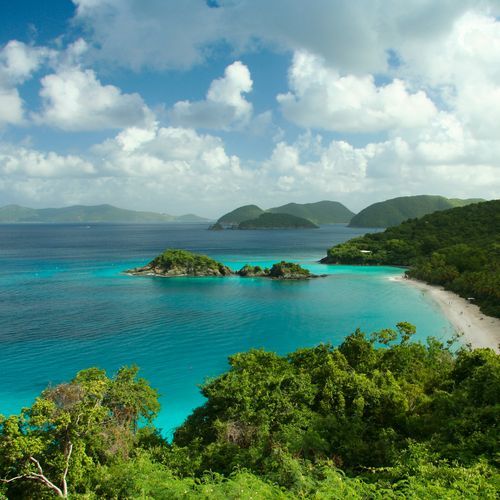
Big swells from distant winter storms in the North Atlantic reach the north shore of Saint John, bringing strong surf and large waves. Cold fronts pushing down from the mainland can also stir up large waves on north shore beaches. Visitors should take great care before entering the water and follow posted warnings and guidance from park staff. Surfing is at its best here during the winter months. North Shore Road threads along the north coast, reaching beaches and trails, and it provides access to many of the park's top activities.
Summer is wetter, and the breezes are lighter. August tends to be the steamiest month, with daytime highs close to 90 degrees. Hurricane season covers July through October, and during those months storms moving in from the east or south can occasionally reach the islands. Keep an eye on forecasts throughout that stretch and whenever swells are running. Fewer people visit in spring and fall, so those seasons are quieter.