White Sands National Park guide · 1 min read
Bleached Lizards and Endemic White Sands Species
After dark is when much of the wildlife at White Sands comes out, a pattern that helps animals keep clear of both the midday heat and hunters.
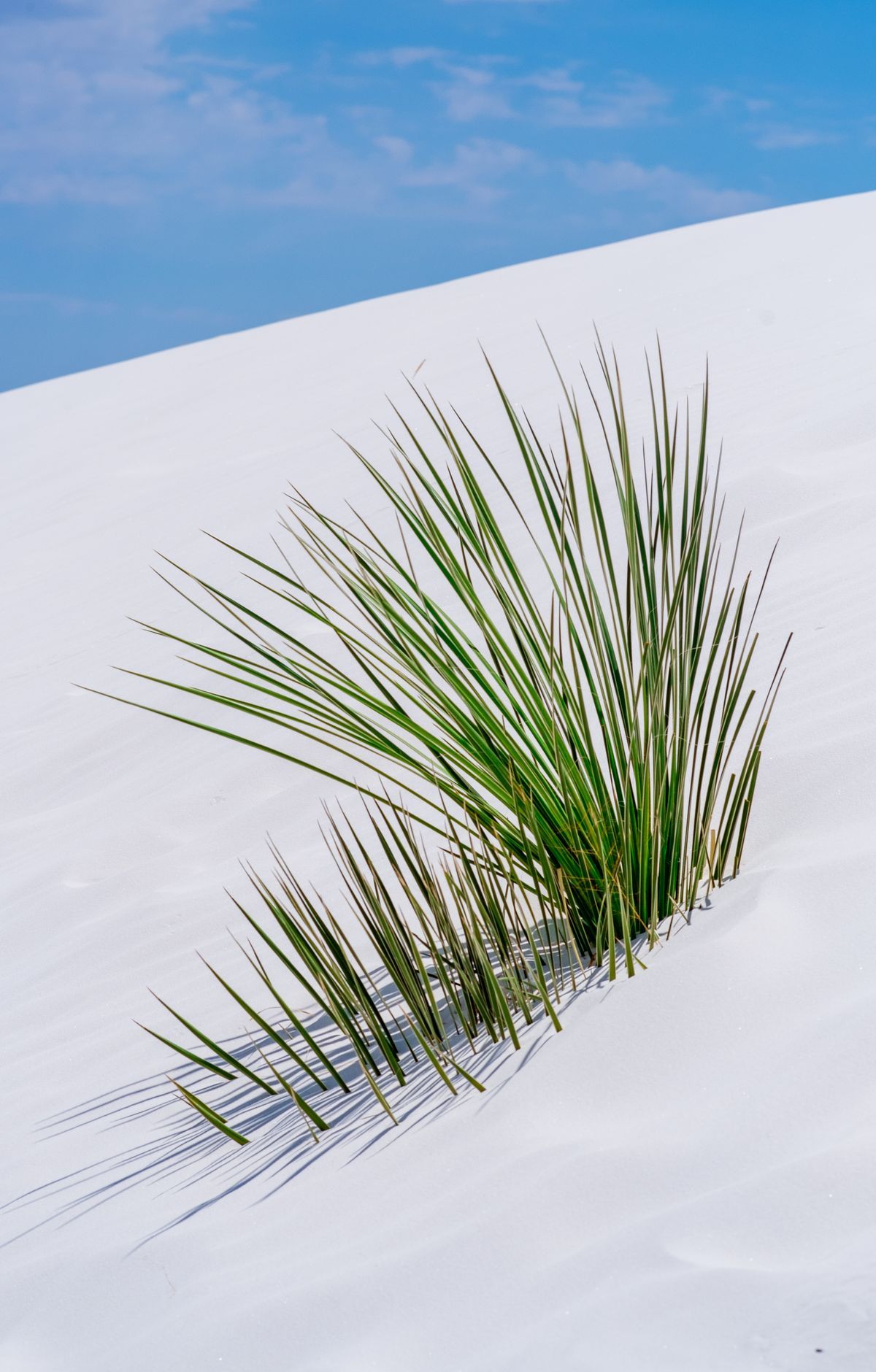
More than 800 animal species live in the park, and several have slowly grown much paler than their relatives living elsewhere. Many of these light-colored animals are found in the dunefield itself, where their pale coloring blends into the gypsum sand.
The bleached earless lizard is one of the clearest examples. Its pale body all but disappears against the sand, and although it has no external ear openings, it can still hear. Animals that are harder to spot are less likely to be caught by predators, which leaves them more time to survive and reproduce.
Several other animals live nowhere else. The Apache pocket mouse and the White Sands woodrat both belong to this group, and the park also has two endemic camel crickets. Among the pale animals in the dunefield is the sand-treader camel cricket. The moths stand out most of all, with more than 60 endemic species found only in the park.
If you want to see lizards, head for the interdunal areas, the hollows between dunes where plants take root. That vegetation gives lizards shade and a place to hide. Most of the park's mammals are active at night, so they are much harder to observe during the day.
MothaPalooza is a yearly community evening built for families, centered on the moths of the dunefield and the research being done on them. Local moth expert Eric Metzler and park staff lead the program, which looks at the diversity of the park's insects.