White Sands National Park guide · 2 min read
Missile Range Closures and the Trinity Site
The White Sands Missile Range is a military testing ground established in 1945, and it lies adjacent to the national park.
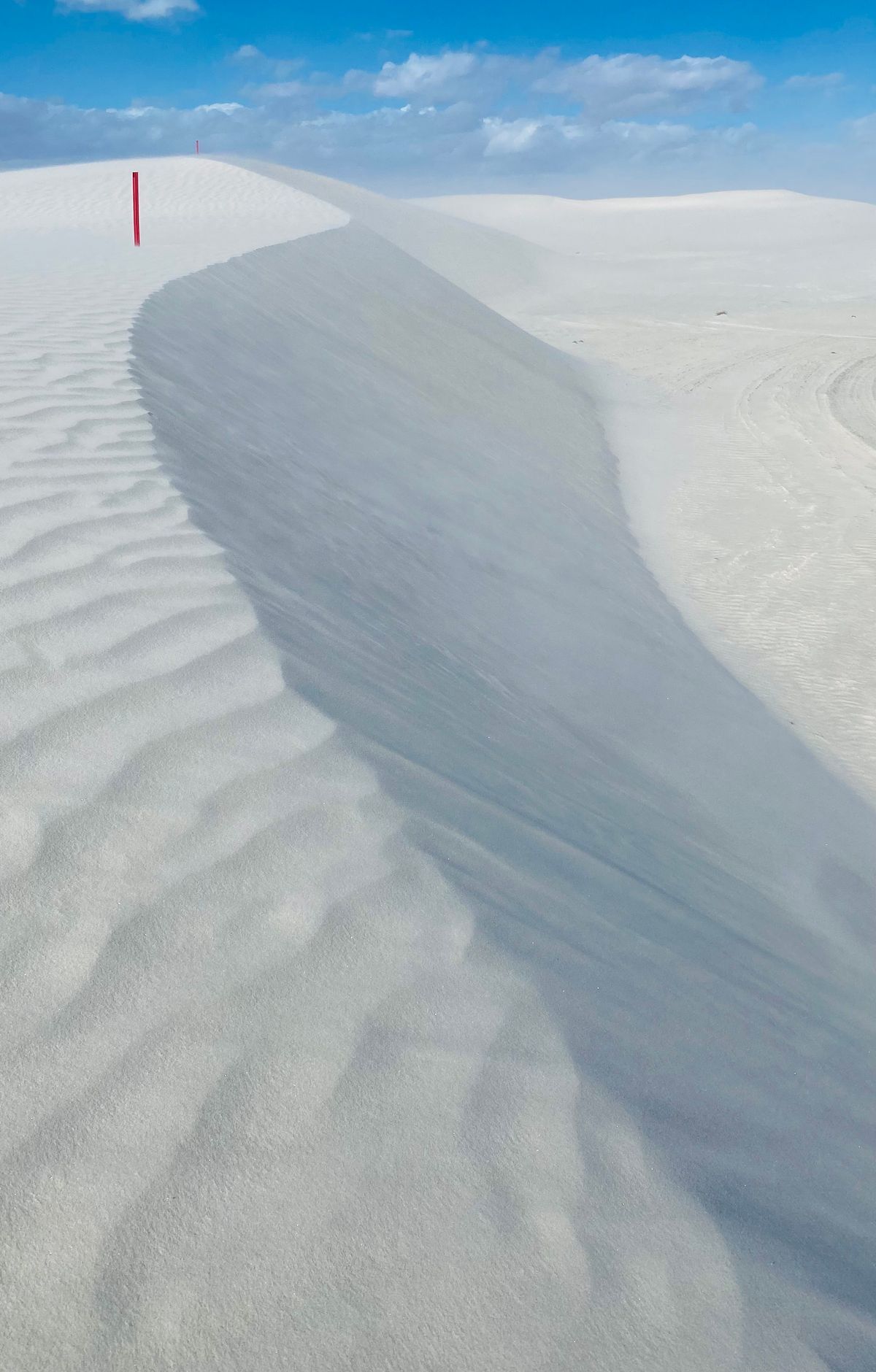
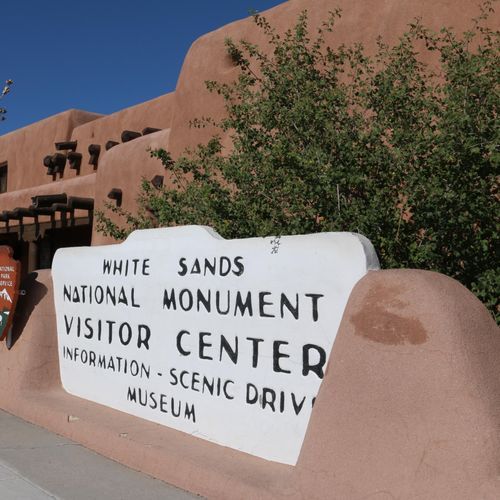
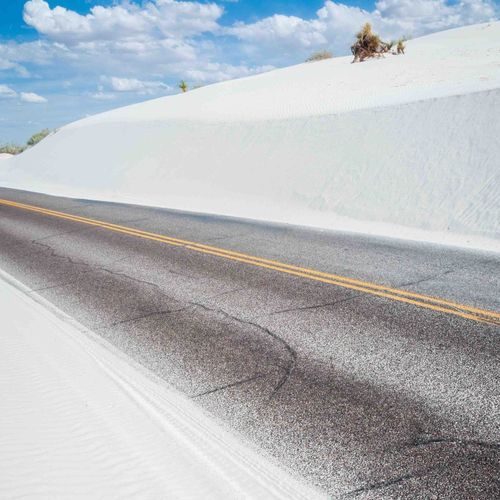
Military tests can close Dunes Drive, the only road into the dunefield, to all traffic for up to three hours. Park staff are usually told well in advance, but notice from the range can come as little as 24 hours before a test, so closures can happen quickly. While the road is closed, every activity along it is off limits, although the visitor center and gift shop stay open. U.S. Highway 70 between the park and Las Cruces can also close during testing.
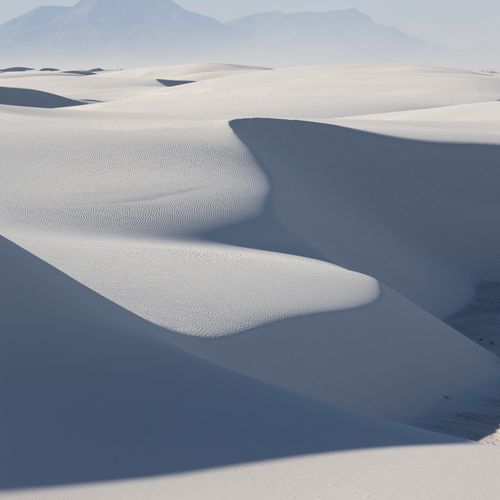
The range has a role in space history as well. In 1982, the Space Shuttle Columbia landed on the range, which served as an emergency landing site for the shuttle. From orbit, the park's white gypsum dunes stand out clearly.
The Trinity Site lies at the far northern end of the range, well away from the park. The first atomic bomb was tested there on July 16, 1945, and the location is now a National Historic Landmark. Rangers lead guided tours to the site twice a year. The tours are sobering in tone, but radiation levels at the site have generally returned to natural background levels.
The White Sands Missile Range Museum and Missile Park sits about 35 miles southwest of the park, on the range itself. Its displays cover the area's history, from nineteenth-century military campaigns in the Tularosa Basin to the Trinity test and the rocket and missile programs that followed World War II. Examples of several rockets and missiles launched from the range are on view.
Before you come, check the park's closure information, since notice of a test can be short. Staff usually learn of scheduled tests well in advance, but checking again before you set out is worthwhile. For highway conditions, contact the range directly to ask about current closures.